




HEALTH IS REAL WEALTH: Symptoms that are indications of a heart attack or stroke have been identified. Heart attacks and strokes are life-threatening conditions.
They develop suddenly. A person may feel fine and then find themselves in a serious condition a few minutes later. This is what cardiologist Ekaterina Paukova from the medical company SberZdorovye says.
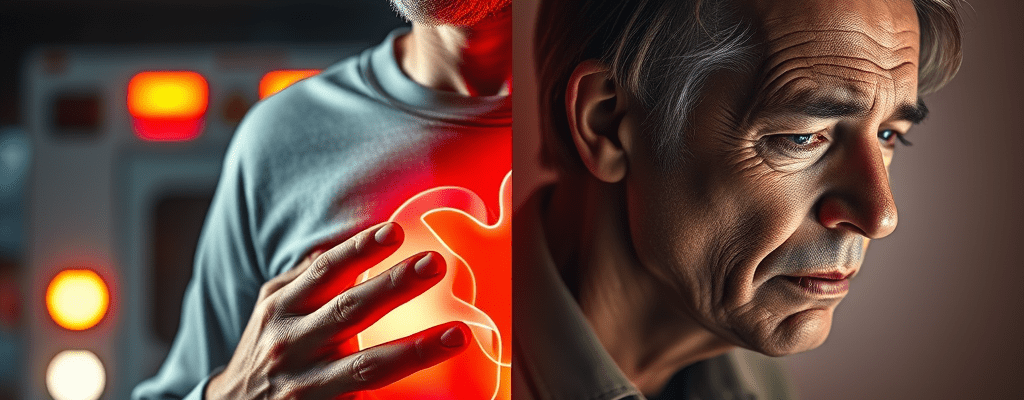
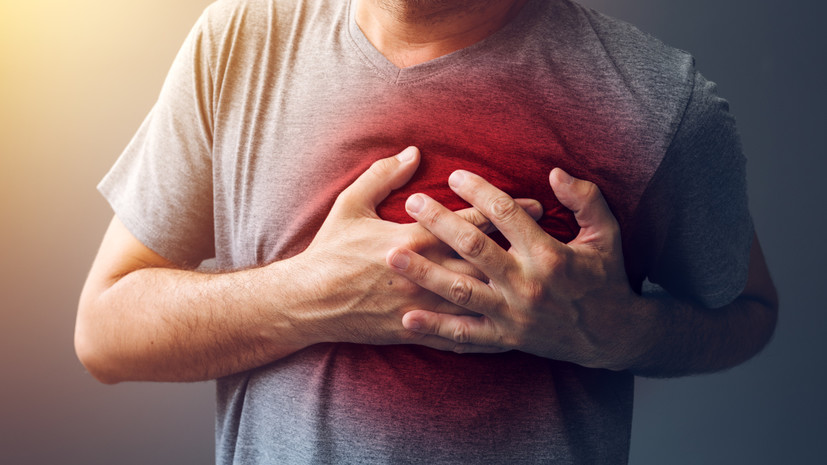
‘When a heart attack develops, the heart is affected. The main precursor symptom is a burning, crushing pain behind the breastbone or in the left side of the chest.
This can spread to the left arm, the angle of the lower jaw, the neck, or the shoulder blade. It doesn’t subside with a change in position or inhalation and lasts for more than 20 minutes,’ the expert warned.
Patients are also often bothered by shortness of breath, cold sweat, and severe weakness, the specialist noted.
‘Less commonly, there is pain in the upper abdomen, nausea, or vomiting. There can also be just shortness of breath or pain exclusively in the left upper limb,’ the cardiologist explained.

It is noted that when a stroke develops, a person experiences various neurological symptoms. These symptoms depend on which area of the brain is affected.
‘The most common manifestations include facial asymmetry. This includes a drooping corner of the mouth, especially noticeable when asked to smile. There may also be sudden speech impairment.
There can also be loss of balance, dizziness, or sudden vision loss. There might be weakness or numbness in an arm or leg, often on one side of the body.
Altered consciousness may also occur: drowsiness, disorientation, temporary loss of consciousness,’ Paukova warned.
According to her, if such symptoms appear, it is necessary to immediately call an ambulance. This significantly increases the chances of a successful outcome.

‘It’s important for as many people as possible to know the signs of a heart attack or stroke.
This knowledge allows them to react promptly if someone nearby becomes ill. It can be difficult for the patient to understand what’s happening to them. They might find it even harder to act,’ the doctor advised.
After calling an ambulance, if necessary, you can help the person get into a comfortable position, she added.
‘In case of a stroke, lie down with your head and shoulders slightly elevated. In case of a myocardial infarction, sit in a semi-sitting position with your legs elevated.
You can improve air flow by opening a window. Loosen tight clothing too. You should loosen your belt and remove scarves. Take off ties and other clothing items.
Under no circumstances should you give the victim food, drink, or medication yourself. All actions must be coordinated with a doctor,’ the cardiologist emphasized.
It’s important to understand that heart attacks and strokes don’t develop overnight. They are a consequence of atherosclerosis and other cardiovascular diseases, the expert noted.
‘To reduce the risk of developing them, it’s important to follow certain rules.
For example, engage in physical activity for at least 150 minutes, or 5-7 times a week for 30-40 minutes. This could include swimming or walking.

It’s crucial to maintain a healthy diet. Ensure it includes sufficient protein, complex carbohydrates, healthy fats, vitamins, and minerals,’ the doctor recommended.
She said that it is necessary to reduce salt intake to 5 g per day, which is approximately 1 teaspoon.
‘It is recommended to quit smoking and drinking alcohol. Furthermore, it is important to take steps to safely lose weight if you are overweight.
It is recommended to have annual checkups with a general practitioner, even if you have no complaints,’ the specialist added.
It is also necessary to have an ECG or ultrasound of the heart. Blood tests are needed to determine cholesterol and glucose levels. From 18 to 40 years old, this should be done once every three years. This frequency applies if all indicators were normal during previous examinations. After 40 years, it should be done annually, the cardiologist noted.
‘It’s important to regularly visit your doctor if you have chronic illnesses and follow their recommendations,’ Paukova concluded. You can and should share this story on social media. TELL US WHAT YOU THINK
PLEASE Click the picture to access our bookstore.

In the meantime, relax with a calming video:
Share this:

Categories: Health, healthcare



 Michael Walsh Stories and Books