




FREE EUROPE PRESS: The first casualty of war is truth. The second are the men and women on the front lines who tell us the blood and guts truth.
Each time we switch on the radio or television news, we rely on front-line journalists. We also rely on them when we pick up our daily newspaper for the latest reports.
In 2024, 124 journalists and media workers were killed. This makes it the deadliest year on record for the profession.
This grim statistic comes from the Committee to Protect Journalists (CPJ). It reported that nearly two-thirds of those killed were Palestinians, primarily during the Israel-Gaza conflict. The International Federation of Journalists (IFJ) also documented 122 journalist deaths in its annual report.
Outside Israeli-occupied Palestine, the Vienna-based media authority states that Asia tops the list of pen-pushing casualties. In terms of region, 40 journalists have been killed.
Latin America follows with a total of 32 casualties. Before the Israeli conflict, Pakistan was the most lethal country for journalists. The war in Iraq has cost 348 journalists their lives.
EUROPE DOES WELL
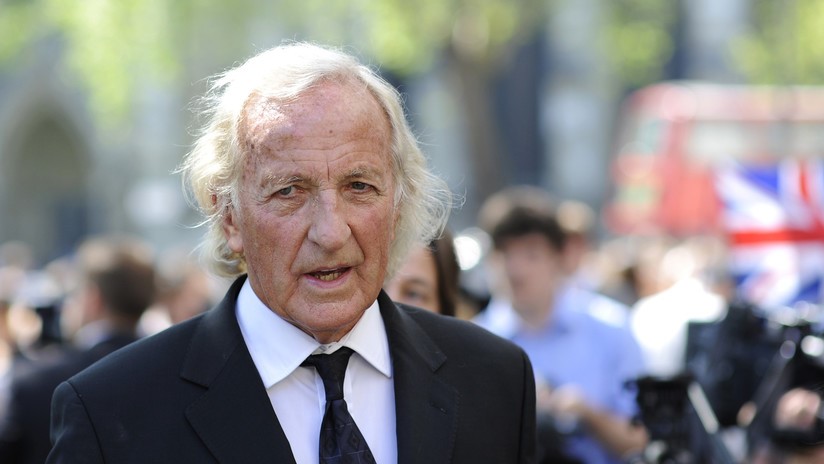
RIGHT. Australian John Pilger:
Conflicts throughout the Middle East and North Africa are likely to tilt future statistics. Europe, including Russia and Belarus, fares well with nine journalists ending up in caskets.
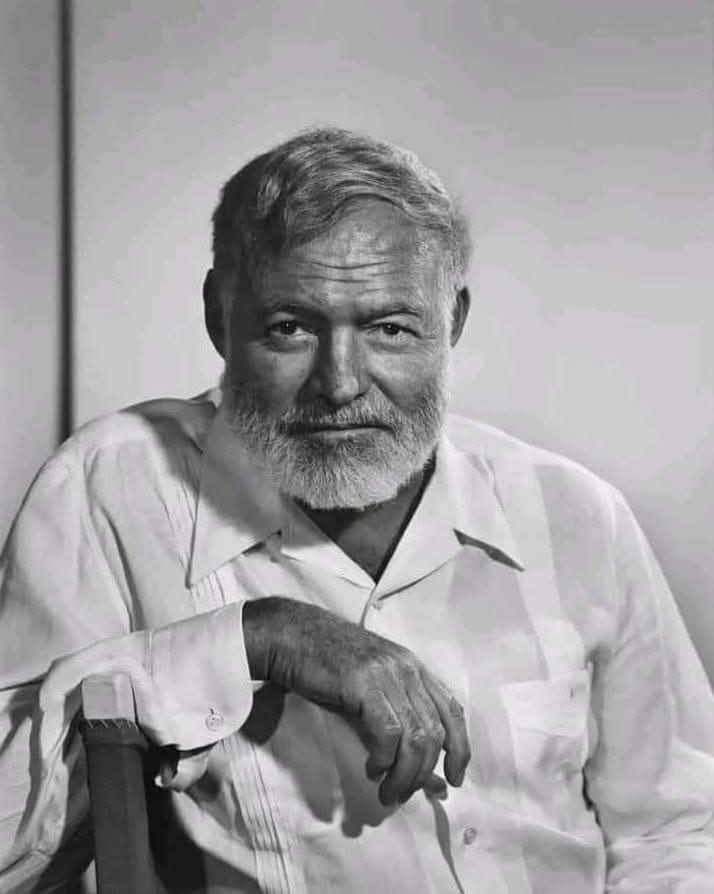
As a breed, war correspondents made, shaped and ended wars. Ernest Hemingway was the best known. He was especially renowned for his reporting from the front lines during the Spanish Civil War.
The greats include war photographers, too. Hungarian Frank Capa’s images of several conflicts still give us pause for thought. British-born Time Page’s haunting images of the Vietnam War were some of the most emotionally compelling of any war.
The war reporter’s first loyalties are to their profession and their own take on events. These perspectives do not always get the approval of their editors.
Many are freelance and work through agencies. Those who work directly for media like Sky News, ITV, NBC, CNN and the BBC are a minority. They tend to be employed because their take on events most closely reflects that of editorial opinion.
LEFT: Ernest Hemingway
REPORTING FROM THE FRONT LINES
A tough maverick minority actually report from the battlefields. Not for them guided tours or claims they have been denied permission to enter a country.
Many are surprisingly candid. Robert St. John of Associated Press says, “We were just leeches. We were reporters trying to suck headlines out of all this death and suffering.”
Reuters correspondent Charles Lynch wrote: “It’s humiliating to look back at what we wrote during World War II. It was crap and I don’t exclude the Ernie Pyles or Alan Mooreheads. We were a propaganda arm of our governments.”
Was the self-criticism justified? Not really. Many, to their credit, sent in accurate reports. They only saw them blue-pencilled to read something quite different from the original intention.
Geoff Stokes, a veteran of Time magazine groused to an associate that he was asked to do a 40-inch story, which was pretty long for us
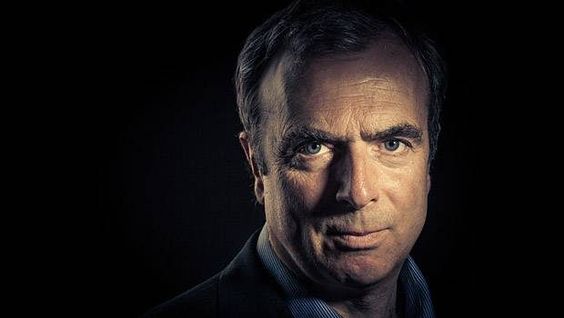
RIGHT. Peter Hitchens.
But when it came out, there were two words – two words – that were mine.
“At the start, the censors enforced that, but at the end, we were our own censors. We were cheerleaders. I suppose there wasn’t an alternative at the time.
It was total war, but, for God’s sake, let’s not glorify our role. It wasn’t good journalism. It wasn’t journalism at all.”
THE GREAT NAMES OF JOURNALISM
Not surprisingly, World War Two created many great names who dominated Pathe News, Life Magazine and the Fleet Street greats.

LEFT: Click the picture to access our online bookstore.
Newspaper columnists have influenced entire nations. They have molded the opinions of tens of millions of readers. These readers, swayed by their columnists’ spin on events, voted accordingly.
American columnist Walter Lippmann was pivotal in shaping post-World War One U.S. foreign policy. As a pen-wielding orator, his columns fueled passion for the Vietnam War. When enthusiasm diminished, he talked America out of that conflict.
Walter Winchell’s column was essential reading for readers of over 800 different periodicals. Throughout Europe and the US, no less than 50,000 newspapers and magazines employ columnists. You can and should share this story on social media. TELL US WHAT YOU THINK
Share this:

Categories: current events



 Michael Walsh Stories and Books