





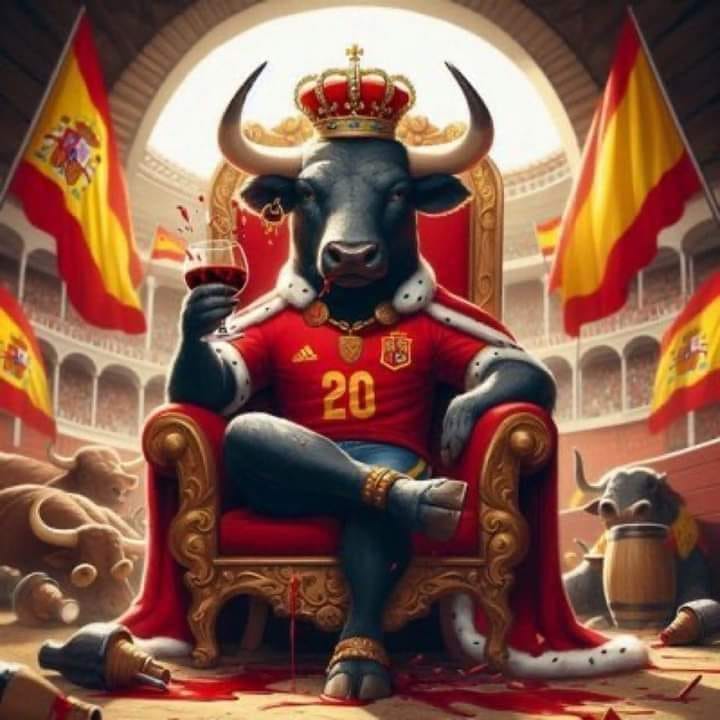
Within a few days, the historic streets of Pamplona will once again transform into a chaotic stage for the San Fermín festival, a nine-day celebration in honour of the patron saint of Navarra, converted into a booze fest with running bulls.
The festival’s centerpiece, the encierro, or running of the bulls, will draw thousands from around the world to witness or participate in the centuries-old tradition.
Yet, as the city gears up for the event, the festival’s raw energy and cultural significance are increasingly overshadowed by concerns about animal welfare.
The San Fermín festival, beginning on Monday, July 6, was once immortalised by Ernest Hemingway in The Sun Also Rises and is an iconic cultural event with its roots in medieval traditions that combined religious devotion with the practical task of transporting bulls to market.
Each morning of the festival, various fighting bulls charge through an 850-metre course of cobblestone streets, pursued by daring runners.

For many in Pamplona, the event is a source of pride, encouraging community spirit and regional identity.
The festival also injects millions of euros into the local economy, boosting tourism and businesses in a city of roughly 200,000.
How long before bull running in Pamplona clashes with animal rights laws? However, the encierro and subsequent bullfights continue to cause fierce rows.
Animal rights groups like PACMA, PETA and AnimaNaturalis condemn the festival for its treatment of bulls, which are bred only for the bullring and face near-certain death after the run.
The animals are disoriented, panicked, and are often prodded with electric shocks or sticks to make sure they charge through the streets, where they risk injury from slips or collisions.
In the bullring, they endure prolonged suffering as matadors use lances, banderillas, and swords to weaken and kill them in front of cheering crowds.
Critics question if this exploitation of sentient beings capable of fear and pain has any place in 21st-century society.

Defenders of San Fermín and bullfighting insist the bulls are raised in relative comfort on ranches and that bullfighting is an art form celebrating the animal’s strength.
They argue that the festival preserves Spain’s cultural heritage and that banning it would erode local identity. Yet, criticism is not solely external. Within Spain, younger Spanish generations are beginning to join the ranks at protests outside the bullrings.
Awareness of animal rights and ethical standards is growing, and some propose reimagining San Fermín to preserve its festive feel without bloodshed.
Alternatives have been suggested and tried out, such as in Portugal, where the bulls are not killed at the end of a bullfight. Other Spanish festivals have proven themselves more than capable of having an appeal without the bloodshed, such as La Tomatina and Camino de Santiago.
As animal protection laws become stricter and the 2025 San Fermin festival in Pamplona approaches, the question remains of how much longer the bull running can be allowed to continue in its current form.
TELL US WHAT YOU THINK

GO FROM BURN OUT TO CHILL OUT WITH A GOOD BOOK AVAILABLE ON AMAZON https://michaelwalshbooks.wordpress.com/

Share this:

Categories: Animal Stories



 Michael Walsh Stories and Books