




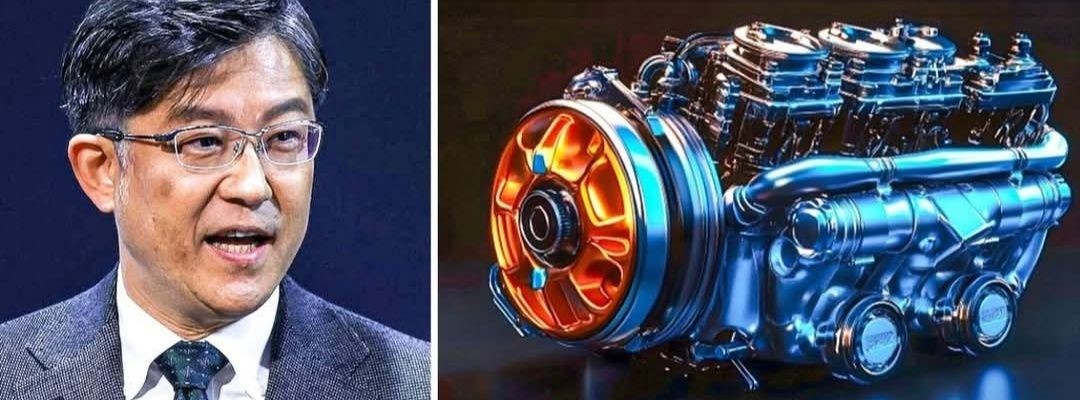

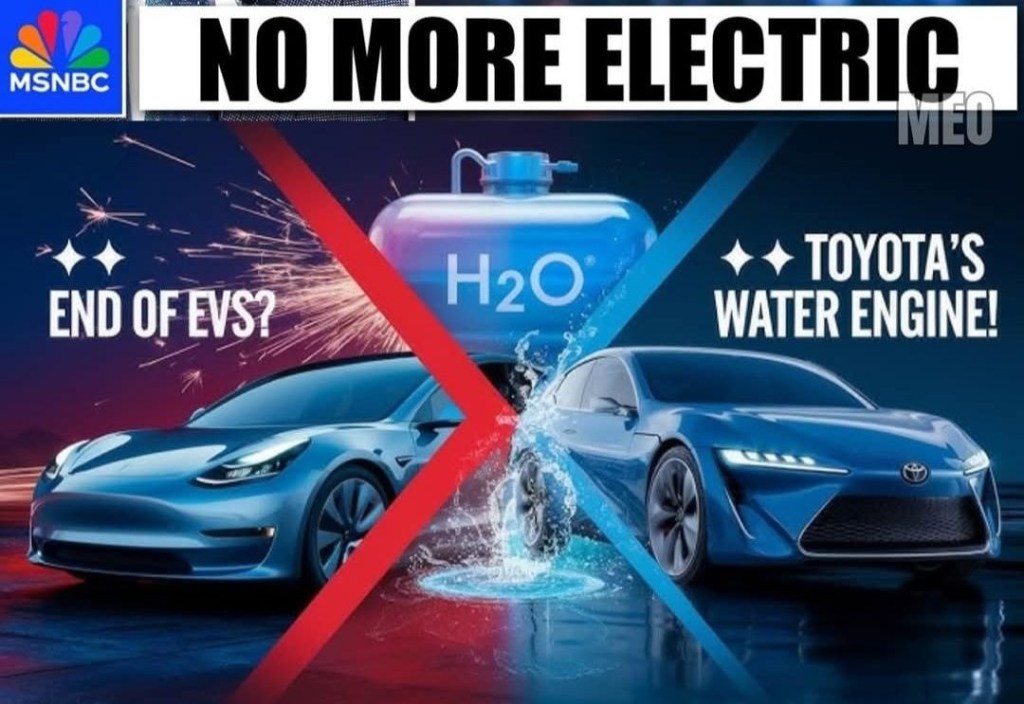
The most famous claim of inventing a water-powered car comes from Stanley Meyer, an American inventor who, in the 1990s, said he had developed a water fuel cell that could power a car using only water. He even demonstrated a dune buggy that ran on this technology. Has Toyota proved him right?
Meyer’s system split water into hydrogen and oxygen using a special form of electrolysis, then burned the hydrogen to power the engine.
He asserted that his method required far less energy than conventional science predicted, which would have defied the laws of thermodynamics.
In 1996, an Ohio court ruled that Meyer had committed fraud, stating that his invention did not work as advertised. Despite this, his story has become a kind of legend, especially after his sudden and mysterious death in 1998, during which he reportedly shouted, ‘They poisoned me!’
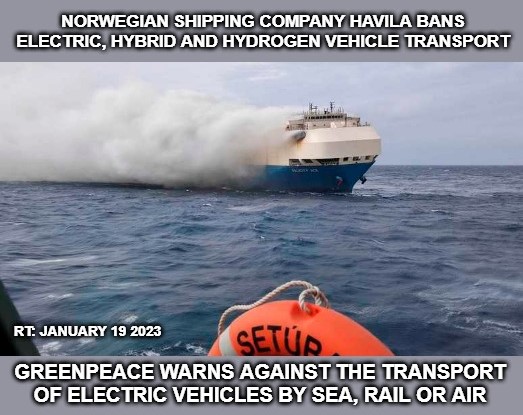
Now, Toyota has unveiled a revolutionary Water-Powered Engine, Declaring the End of the Fuel and Battery Era
In a game-changing announcement that could redefine the future of clean transportation, Toyota has officially unveiled a revolutionary water-powered engine, an innovation that runs on hydrogen generated through electrolysis and emits nothing but water vapor. This breakthrough not only offers a zero-emission alternative to traditional engines but also boldly challenges the dominance of battery electric vehicles (EVs).
Unlike conventional hydrogen fuel cell vehicles or lithium-powered EVs, Toyota’s new engine creates hydrogen on demand by splitting water molecules using a compact electrolysis system onboard the vehicle.
The hydrogen is then combusted in a specially designed internal combustion engine, delivering traditional driving dynamics with none of the carbon footprint. No charging stations. No lithium. No mining. Just water.
‘We’re not just innovating, we’re disrupting,’ said a Toyota spokesperson. ‘This engine is a declaration that there’s more than one path to zero emissions.’
This bold technological leap gives Toyota a clear advantage over EV competitors who rely on lithium-ion batteries, which are not only costly but environmentally controversial due to the impact of mining and limited recycling options.
By eliminating the need for batteries and chargers, Toyota’s hydrogen-powered system sidesteps two of the biggest challenges facing the EV market: long charging times and scarcity of materials.
The engine promises quick refueling, high performance, and a long driving range making it especially appealing for drivers who want sustainability without sacrificing convenience. It’s a solution that fits seamlessly into today’s lifestyle, while also preparing for a cleaner tomorrow.
Already being tested in concept vehicles and poised for limited production by 2026, the engine signals a dramatic shift in Toyota’s strategy. It also sends a strong message to the global automotive industry: there’s a new era coming.

TELL US WHAT YOU THINK

GO FROM BURN OUT TO CHILL OUT WITH A GOOD BOOK AVAILABLE ON AMAZON https://michaelwalshbooks.wordpress.com/

Share this:

Categories: current events






 Michael Walsh Stories and Books