




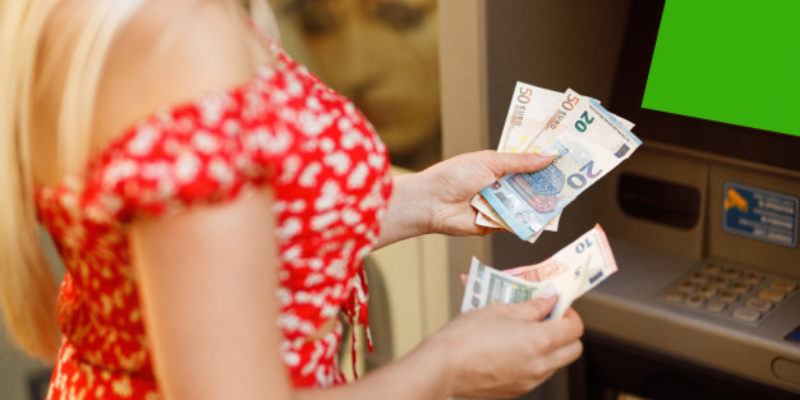

French justice minister calls for the abolition of cash. Gerald Darmanin has argued that digital transactions are much easier to trace. France’s Justice Minister Gerald Darmanin has proposed abolishing cash transactions.
The influential legislator argues that digital payments – including cryptocurrencies – are much easier to trace than physical money. A cashless society, he claims, would help authorities combat drug trafficking and other criminal activity.
Restrictions on cash transactions in France and across the EU have already tightened in recent years.
Speaking before a Senate commission on Thursday, Darmanin said that ’a large part of daily delinquency and even criminal networks rely on cash,’ and declared that ’the end of cash would prevent the establishment of drug dealing points.’
Darmanin, who previously oversaw public finances as Minister of Public Action and Accounts, claims that banning physical money would not eliminate the drug trade, but insisted that ’once the money is traceable,’ it becomes ’more complicated’ for both consumers and dealers to escape financial oversight.
The justice minister admitted that criminal groups would likely shift to using cryptocurrencies in place of cash. He argues this would be an improvement, since ’crypto is often easier to trace’ due to blockchain records and new EU rules on transaction monitoring.
Under the European Council directive set to come into force next year, crypto asset providers will be obligated to collect and share sender and recipient data with tax authorities, effectively ending anonymous crypto transfers within the bloc.
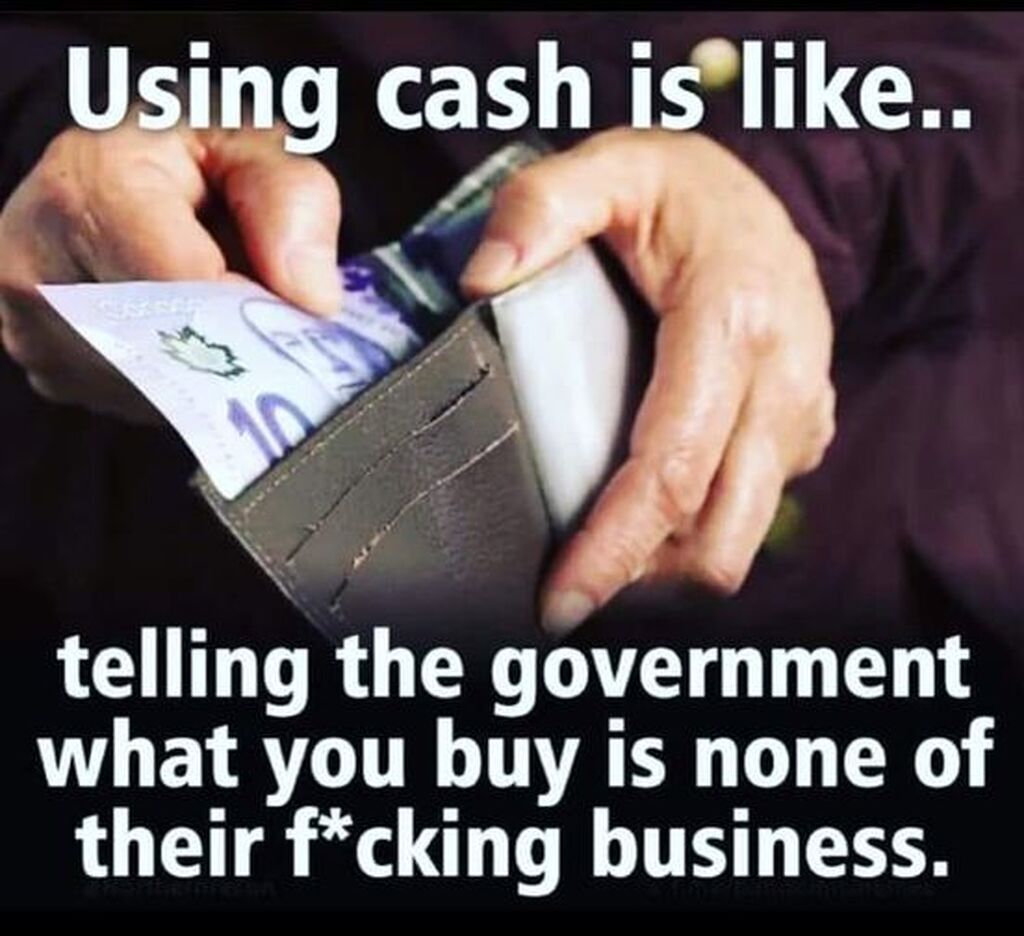
The proposal to ban cash is likely to face resistance from the public, who continue to view it as a vital tool for privacy and budgeting.
A 2024 survey by the Banque de France found that while card payments are now dominant (used by 62% of respondents), 60% still consider access to cash important or very important.
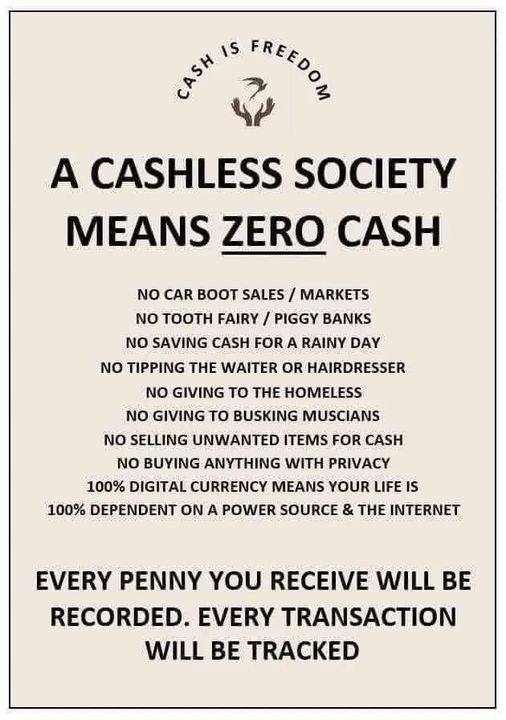
Respondents cited anonymity (40%), immediate settlement (37%), and better control over spending (31%) as key advantages of physical money.
Critics have warned that banning cash altogether could raise concerns about financial surveillance and undermine personal freedoms.
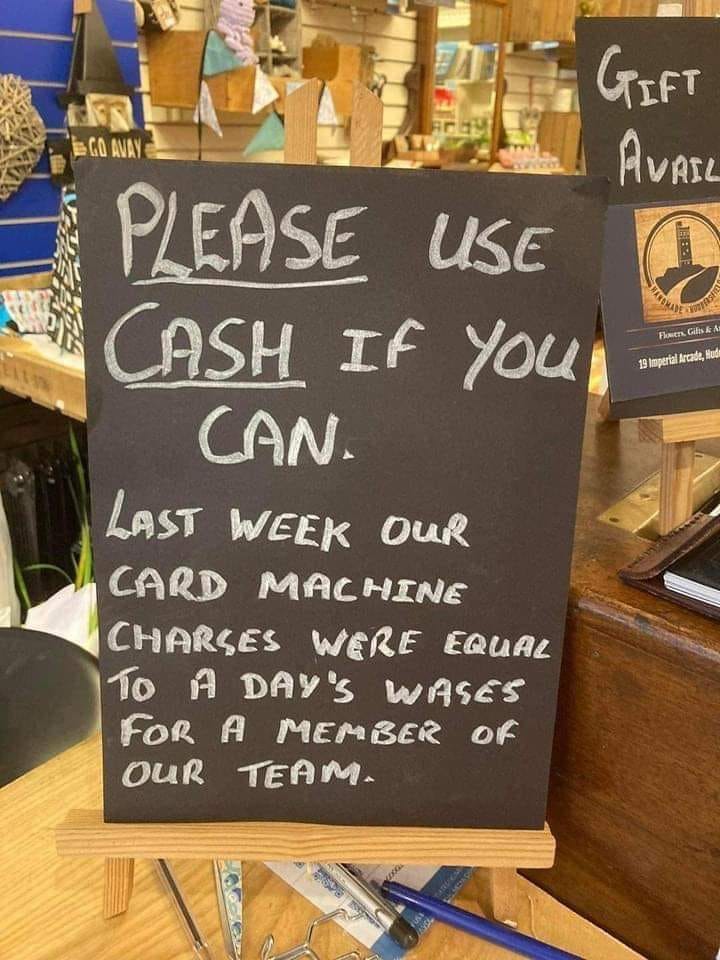
In France, any cash payment over €1,000 to a professional entity is prohibited and punishable by a fine of up to 5%, unless the person has no bank account or other means of digital payment.
For transactions between private individuals, the cap is €1,500, unless the parties sign a written contract with full names and contact details, according to guidelines from the Ministry of Economy and Finance.
At the EU level, the European Parliament passed a directive imposing a bloc-wide hard cap of €10,000 on cash transactions starting in 2027.
A reader writes: ‘Everyone questions privacy et al but here is the real question: what about safety?
Look at what happened in Spain and Portugal, and parts of France, not so long ago, with the blackout? All electricity runs out, and how are you going to buy bread, toilet paper? you cannot even wipe your ass with a plastic card.’

Another reader comments: ‘No more selling nice little things between friends. Such as eggs, chickens, meat, olive oil, wine, pickled cucumbers, tomatoes, and lemons. Such as mending clothes, garage sales and countless other things. No cash is sadness.’ TELL US WHAT YOU THINK
PLEASE SHARE OUR PUBLIC INFORMATION STORIES

SUPER BOOKS WITH A LOW COST DIFFERENCE: Romance, Travel, Maritime, War and Culture: Britain and Europe’s most successful writer, Michael Walsh, are also available on Amazon. To MAXIMISE YOUR SAVINGS, BE SURE TO CLICK THE ‘ORDER NOW’ BUTTON: https://michaelwalshbooks.wordpress.com/

Share this:

Categories: current events



 Michael Walsh Stories and Books
It has nothing to do with safety and everything to do with control by government. Europeons will lay down and do as told, just as they have for being overrun by the third world.
LikeLiked by 1 person