





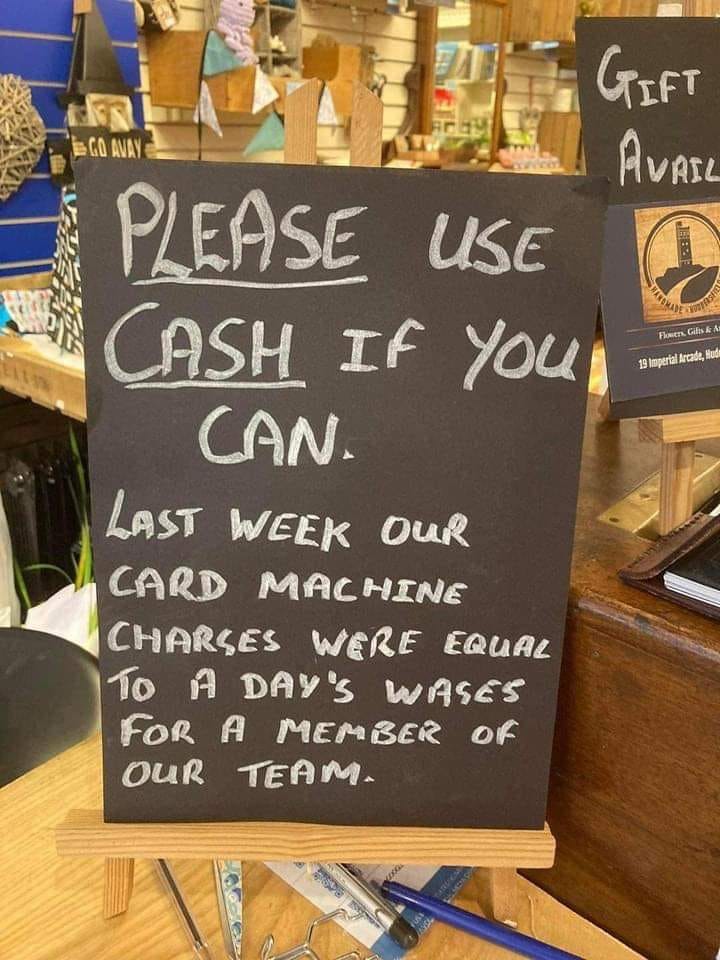
Cash is king – But how much can you legally keep at home? Do check out legislation wherever you live in the world.
On Monday, April 28, Spain, Europe’s largest country, with neighboring Portugal and the South of France, descended into chaos when these countries’ entire energy utilities collapsed.
As electronic payment systems went down across these countries, only the few businesses and hospitals with backup generators could continue accepting cards, making cash the most reliable method of payment.
So, cash proves vital in such bad scenarios. Keeping cash at home for emergencies, such as a power blackout, might seem like a simple, accessible solution. But it comes with important legal and practical considerations.
Can you legally keep cash at home in Spain?

YES, you can. No law in Spain sets a limit on how much cash you’re allowed to store at home. You’re free to keep as much as you like, with a few important conditions.
The key point is that the money must come from a legal source. And if required, you need to be able to show that it’s been properly declared to the tax authorities.
If Hacienda (Spain’s tax agency) suspects the money hasn’t been declared or was obtained illegally, they have the right to investigate and ask for proof
What to know about moving cash?
While keeping cash at home is legal, there are clear rules when it comes to moving it around. For example, banks are required to notify Hacienda if you deposit or withdraw €1,000 or more.
And if you’re planning to take out €3,000 or more, you’ll need to let the Spanish tax office know in advance.
What to know about moving cash?

In addition, cash payments are limited to €1,000 when a business or professional is involved in the transaction. For private individuals, the limit is €10,000.
Think twice before keeping too much
It’s totally legal to keep cash at home, but most financial advisors and banks suggest being careful with large amounts.
Besides the risk of theft or damage from fire, there’s also the chance that your money could lose value over time due to inflation, or simply get lost or ruined.
So, if you want to build a cash emergency deposit in your home, it’s better to save gradually rather than withdrawing a large sum all at once.
If you hold significant amounts in your house, it’s recommended to declare the cash, noting its origin, such as employment income, investment gains, or other legitimate sources.
In short, cash is good, maybe vital in a crisis. Moreover, it’s a key part of a smart emergency plan, as long as it’s legal, declared, and managed responsibly. TELL US WHAT YOU THINK
PLEASE SHARE OUR PUBLIC INFORMATION STORIES

GET RICH QUICK: THE BUSINESS BOOSTER Michael Walsh, during 20 years Guild of Master Craftsmen, helped thousands of businesses to increase profits whilst reducing overheads. EURO WEEKLY NEWS business advice columnist. Perfect gift for the self-employed, wherever you are in the world. https://books.by/michael-walsh#the-business-booster

Share this:

Categories: Family & Parenting



 Michael Walsh Stories and Books