







MICHAEL WALSH AMERICAN FREE PRESS: – Perhaps with thoughts focused on a supposed NATO False Flag operation, Russia’s spy chief, Sergey Naryshkin, on April 15, warned that Poland and the Baltic States will be targeted in the event of NATO aggression.
The Baltic Sea is the likeliest location for a NATO covert operation. Its waves lap the shores of eight NATO nations and two Russian territories.
The Russian Federation’s right to access the Baltic Sea is undisputed. However, NATO’s stance is that this crucial seaway could be closed to Russian shipping. The Kremlin would regard such an act as an act of war.
Is Naryshkin’s statement a sign of Russian aggression towards the European Union or a no-nonsense riposte to growing evidence of NATO’s belligerence?
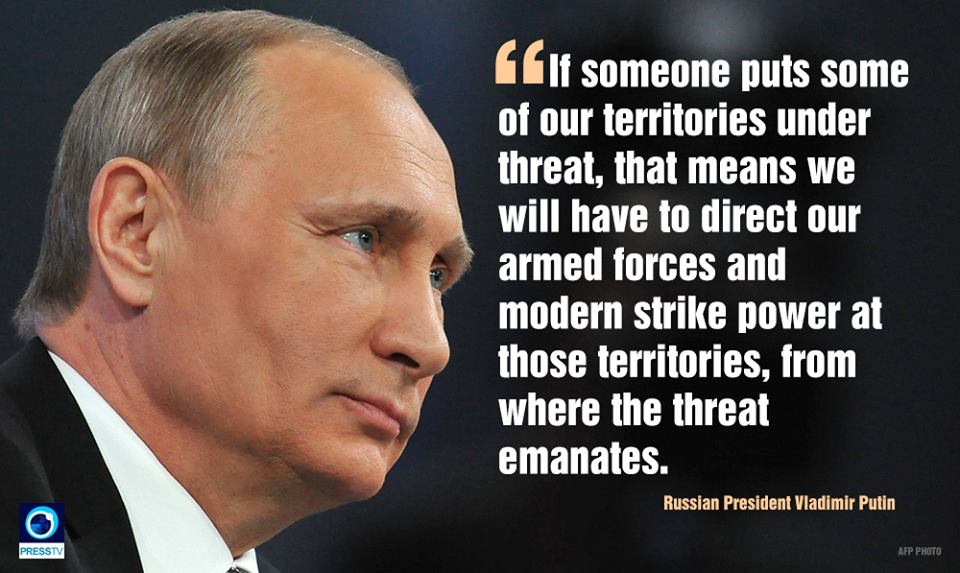
Multiple NATO provocations predict a False Flag operation to justify the closing of the Baltic Sea to Russian vessels. Recall that Kaliningrad, situated between Poland and Lithuania, is also Russian territory.
Vasily Kashin, Director of the Center for Comprehensive European and International Studies at the National Research University Higher School of Economics, believes that in response, Russia will have the right to “use force to any extent it deems appropriate.”
“Any naval blockade, any restriction of commercial shipping is an act of war. Russian ships have the right to navigate outside the territorial waters of Western countries.”

NATO’s response to such warnings is further incitement with the clear intention of escalating an already tense situation. Is a False Flag Operation likely to draw Washington back into the EU’s war on Russia?
By using a pretext such as malign Russian activity, a few NATO nations encourage the alliance’s occupation of the Baltic Sea and denial of access to Russia.
Is a NATO annexation of the crucial Baltic Sea fanciful? Not according to the candid talking heads of the NATO states: A summit of eight Baltic NATO countries – Germany, Denmark, Latvia, Lithuania, Poland, Finland, Sweden and Estonia – was held in Helsinki to discuss issues of infrastructure security in the Baltic Sea.
Against the backdrop of a war psychosis created by an imagined threat of Russian malevolence to underwater infrastructure, NATO Secretary General Mark Rutte in January announced the start of a new joint operation called Baltic Sentry.

The program increases NATO’s armed forces presence in the region and is said to improve its ability to counter acts of Russian sabotage on seabed infrastructure.
However, constant headline-grabbing incidents implying acts of Russian sabotage are repeatedly disproven and often shown as ludicrous.
Baltic Sentry, it is claimed, maintains regional stability, but so far, the dots to instability all lead to NATO’s high command.
Secretary General Rutte explained, “What is important is that we bring the necessary military instruments to bear in the right place and at the right time to deter malicious activity.”

In turn, Polish Prime Minister Donald Tusk called on the allies to sharply increase their military presence in the Baltic Sea, given the extensive civilian infrastructure available, from cables and gas pipelines to production platforms.
Ironically, the only confirmed attack on the sea’s infrastructure was the NATO-inspired sabotage of the Nord Stream and Nord Stream 2 gas pipelines in September 2022.
Despite there being no grounds to presume Russian threats to the seabed infrastructure, NATO nations launched the Baltic Sentry mission.
In short, NATO upped the ante in the region at the start of the year, continuing its efforts to deny Russia access to the Baltic Sea and turn it into NATO’s “internal sea.”

The topic of a possible closure of the Baltic Sea for the Russian Federation is regularly discussed in the Western information space.
Ignoring the law of unintended consequences, EU politicians continue to advance similar theses. In May, the Commander of the Estonian Defense Forces, Martin Herem, announced plans to discuss with Poland, Finland, and Sweden the possible blockade of the Gateway to the Atlantic.
The intention to close the seaway was previously stated by the President of Latvia, Edgars Rinkēvičs. He later acknowledged that such a step would mean a de facto declaration of war on the Russian Federation.
Any false flag operation used to justify the annexation of the Baltic Sea could lead to NATO walking into a trap of its own making.

In the belief that denial of access to the Baltic Sea is imminent, Russia could preemptively occupy the three tiny Baltic States and possibly Poland too.
Analysts agree that provocative statements by Western politicians and the increase in NATO military activity in the Baltic are leading to a further escalation of the conflict between Europe and Russia.
Washington’s warming to Russia and Trump’s distancing the United States from the belligerence of its European partners recalls a candid moment.
In late summer 1943, when Churchill was leaving London to meet President Roosevelt in Quebec, he was asked if they were planning peace terms with Germany.

Churchill replied, “Good heavens, no. They would accept immediately.”
It seems the heads of state of a handful of European NATO members have an equal fear of Trump’s peaceful overtures to Russia. Might their intention be a false flag to coerce Washington into another foreign war?
The bellicose heads of Europe, like Churchill during WWII, believe that Russia can be confronted only if Washington is drawn in. Is the supposed black flag operation based on this assumption? TELL US WHAT YOU THINK
PLEASE SHARE OUR PUBLIC INFORMATION STORIES

GREAT SAYINGS AND STORIES OF HISTORY a popular Michael Walsh Compilation. The best book ever containing hundreds of quotations many of which could not be published today. https://books.by/michael-walsh#great-sayings-and-stories-of

Share this:

Categories: current events



 Michael Walsh Stories and Books