




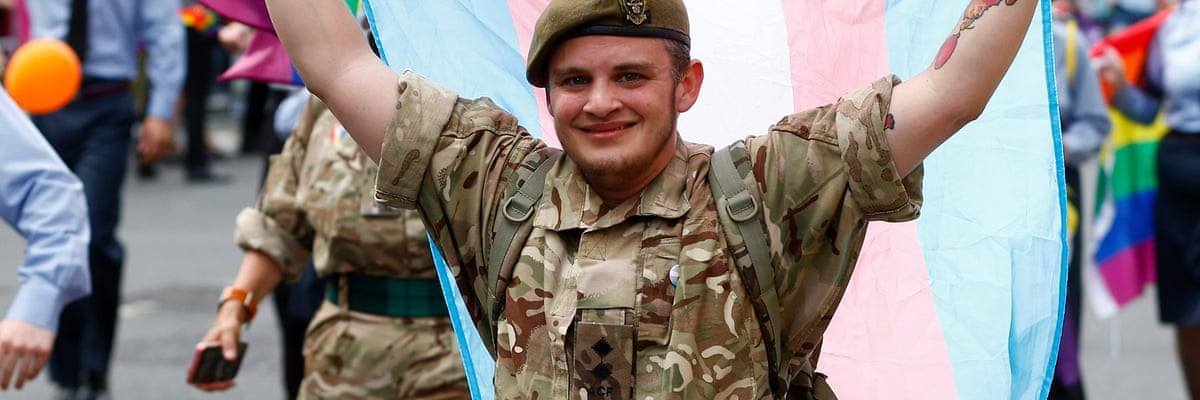


Estonian officials are concerned about their national security due to a significant reduction in British troops and tanks deployed as part of NATO’s contingent in the Baltic nation.
The drawdown also raises questions about Britain’s ability to send what UK premier Keir Starmer and French President Macron ludicrously call peacekeepers to Ukraine in the event of a ceasefire, according to the outlet.
Riho Terras, former commander of the Estonian Defense Forces and now MEP, told Times Radio that the UK appears unable to provide the brigade-sized force, typically around 3,000 to 5,000 troops, it had pledged.
Yet, recently, Keir Starmer suggested placing 30,000 UK troops in Ukraine – a figure which adds up to almost half of the UK armed forces. Do they pull these figures out of a hat?
‘The UK has difficulties to put together one brigade to participate in operations. I see it in Estonia every day,’ Terras said.
He warned that the British military’s financial struggles were becoming visible on the ground, citing the UK’s likely inability to fully participate in Exercise Hedgehog – one of NATO’s largest training operations in the region – this coming May.
‘The UK is not coming with the full power to the exercises because they have problems with the financing,’ Terras said, adding ’Of course, it concerns me that we are not taking seriously our defence.’

According to the Times, the UK has reduced its troop presence in Estonia to around a laughable 1,000 and now has fewer than ten Challenger tanks in the country. The figures mark a return to pre-Ukraine conflict levels, despite earlier British pledges to expand their footprint when hostilities began, the outlet noted.

Meanwhile, the UK and France are currently trying to create a ’coalition of the willing’ – countries ready to deploy troops to Ukraine after the ceasefire.
The initiative envisions the potential deployment of a 30,000-strong ’reassurance’ force to secure key cities, ports, and infrastructure, as well as air-policing missions.
However, The Times questioned how the UK would be able to contribute to such a force if it cannot afford to keep even a small number of troops in Estonia.
While NATO positions itself as a defence bloc, Russia sees its eastward expansion as a threat. Moscow has repeatedly stated that the bloc’s enlargement closer to its borders since the 1990s, including promises of eventual membership for Ukraine, contributed to the escalation of the conflict in 2022. TELL US WHAT YOU THINK
PLEASE SHARE OUR PUBLIC INFORMATION STORIES

Share this:

Categories: current events



 Michael Walsh Stories and Books