




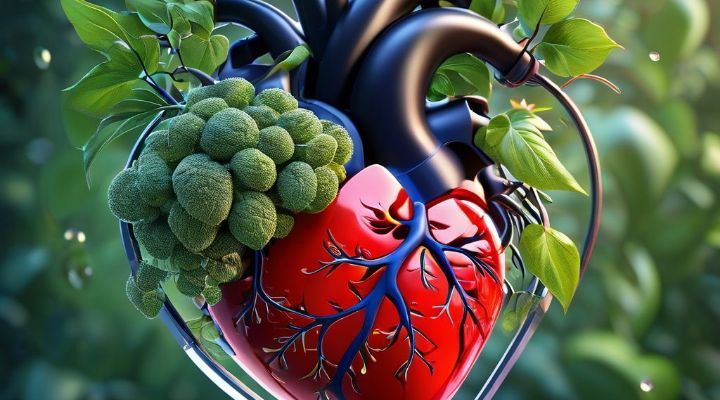


Heart health is the basis of overall well-being. Cardiovascular disease is one of the leading causes of death worldwide, and proper nutrition plays a key role in maintaining the cardiovascular system.
In this article, we will cover essential macronutrients, vitamins, as well as lifestyle recommendations for maintaining heart health.
Necessary macronutrients
1. Carbohydrates
• The main source of energy for the body.
• It is recommended to choose complex carbohydrates: whole grain products, beans, vegetables and fruits. They are rich in fiber, which contributes to lower cholesterol and improves heart function.
2. Non-fat nutrients:
• Important for tissue recovery and muscle mass maintenance.
• Preference should be given to non-fatty sources of protein: fish (especially fatty varieties such as salmon and mackerel), poultry, beans and nuts.
3. Good Fats:
• Polyunsaturated and monosaturated fats are good for the heart.
• Useful sources: olive oil, avocado, nuts and fatty fish. Avoid trans-fat and saturated fats, which can raise cholesterol.

Micronutrients
1. Potassium:
• Helps regulate blood pressure.
• Sources: bananas, potatoes, spinach, beans and oranges.
2. Magnesium:
• Participates in maintaining a normal heart rhythm.
• You can find it in nuts, seeds, leafy green vegetables and whole grain products.

3. Calcium:
• It is important for the normal functioning of the heart and vessels.
• Sources: dairy products, broccoli, sardines and vegetable enriched drinks.
4. Omega-3 fatty acids:
• Help reduce inflammatory processes and improve the condition of the vessels.
• Main sources: fatty fish (salmon, tuna), chia seeds, flax seeds and walnuts.
Vitamins
1. Vitamin D:

• Supports cardiovascular system health.
• You can get it through sunlight or from food: fatty fish, egg yolks and enriched products.
2. Vitamin E:
• Antioxidant that helps protect cells from damage.
• Sources: nuts, seeds and vegetable oils.
3. B group vitamins:
• Important for metabolism and lowering homocysteine levels (high levels of which are associated with a higher risk of cardiovascular disease).
• Sources: meat, eggs, dairy products, beans and green vegetables.
Lifestyle recommendations

1. Physical activity:
• Regular exercise (at least 150 minutes of moderate activity per week) contributes to heart health, weight management, and stress levels.
2. Weight control:
• Maintaining a healthy weight reduces the risk of cardiovascular disease.
3. Quit smoking:
• Smoking significantly increases the risk of cardiovascular disease. Giving up is one of the most important steps to heart health.
4. Stress management:

• Chronic stress can negatively affect heart health. Relaxation practices like yoga or meditation can help you cope with stress.
5. Regular medical checkups:
• Control of cholesterol levels, blood pressure, and other health indicators will help to detect problems promptly.
Heart health depends on many factors, including diet and lifestyle. A balanced diet, rich in essential macro and micronutrients, as well as an active lifestyle, can help keep your heart healthy for many years to come. By following simple guidelines and taking care of your body, you can reduce your risk of cardiovascular disease and improve your quality of life. TELL US WHAT YOU THINK
PLEASE SHARE OUR PUBLIC INFORMATION STORIES

Share this:

Categories: Health



 Michael Walsh Stories and Books
Thank you, very clear ans sensible. Michel
LikeLike