






Traditional countryside medicine recipes often find scientific confirmation. For example, a group of scientists recently discovered compounds in ginseng that can potentially slow the development of osteoporosis.
Phytotherapy, based on both ancient traditions and modern scientific research, can complement main drug therapy and support the patient’s body during the recovery period.
At the same time, herbs are not used for treatment, their main purpose is prevention. This was said in an interview by Elena Korsun, PhD in Medicine, head of the Phytotherapy Department at the Institute of Oriental Medicine at RUDN.
However, herbal preparations and even dietary supplements should be prescribed by phytotherapy, since medicinal herbs have several contraindications; and situations in which they are inappropriate. The specialist also explained whether phytoestrogens can replace synthetic (manmade) hormones.
Phytotherapy has ancient roots. The first collections of medicinal herbs appeared in China several thousand years ago. Now some folk medicine recipes are scientifically confirmed.

For example, scientists recently discovered compounds in ginseng that can slow the development of osteoporosis. In general, Eastern folk medicine is famous all over the world. What are the traditions of phytotherapy in Russia?
Treatment with various medicinal herbs has been practised in Russia for many centuries. In the 12th-18th centuries, the so-called monastery phytotherapy developed.
At the same time, there was a continuous accumulation and preservation of knowledge about herbalism within the framework of folk medicine.
In the 18th century, professional educational institutions for doctors began to appear in Russia. Herbal medicines made up the lion’s share of drugs, as can be seen in the example of the first Russian national pharmacopoeias, lists of officially recognized drugs and requirements for their quality.
This was no longer folk medicine, but official medicine. For example, in the 19th century, ‘Russian Medicinal Herbalist, or Description of Domestic Medicinal Plants’ was published, and its author was the famous doctor and surgeon Ivan Kashinsky.
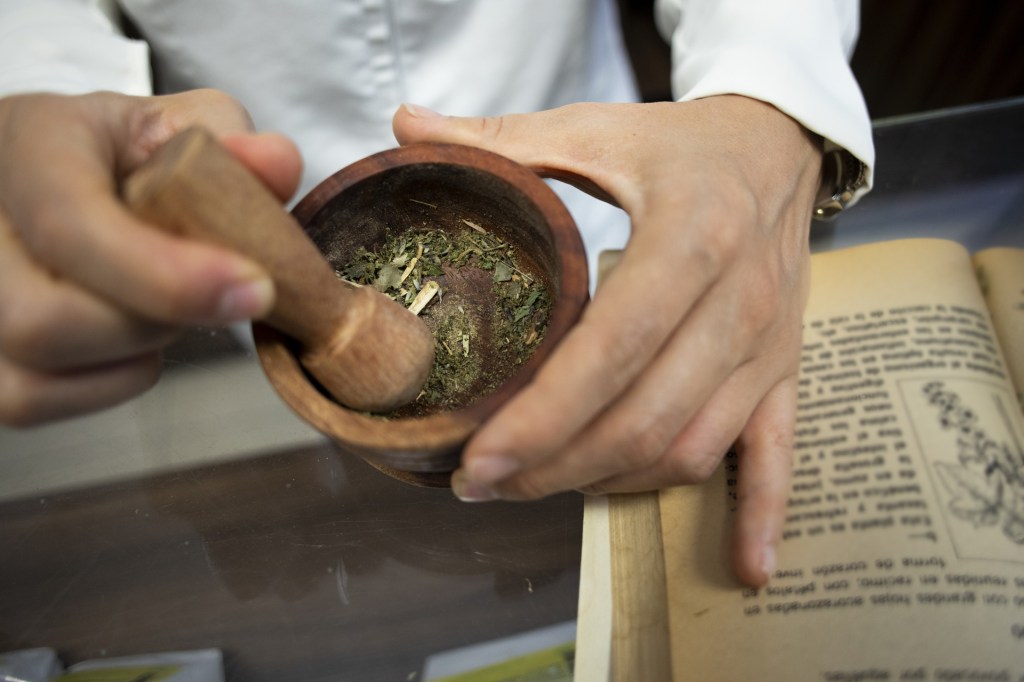
The 19th century is the century of the birth of scientific phytotherapy, phytopharmacology, and clinical research into the properties of medicinal plants.
Since about the second half of the 17th century, natural scientists began collecting recipes of traditional medicine, primarily herbal medicine.
Scientists went on expeditions to remote villages throughout the country and wrote down herbalists’ recipes, which had previously been passed down from generation to generation.
Each region, each geographic zone grows its own plants, so the traditions of herbal medicine differ. It has not yet been possible to fully accumulate this knowledge, since each village had its own herbalists with their own traditions of treating ailments. PLEASE SHARE OUR STORIES

GREAT SAYINGS AND STORIES OF HISTORY Michael Walsh Compilation. A quiet room in a rustic cottage overlooking a pastoral scene who would you choose as your soul companion? Be inspired by hundreds of wise comments uttered by history’s greatest thinkers. LINK TO BOOK → LULU.COM GREAT SAYINGS AND STORIES OF HISTORY AMAZON.CO.UK


Share this:

Categories: Art and Culture, Family & Parenting



 Michael Walsh Stories and Books
1 reply »