





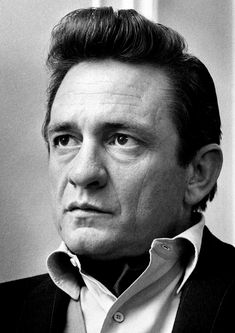
On January 13, 1968, Johnny Cash performed for the first time before the incarcerated men at Folsom State Prison in California.
This momentous occasion marked the beginning of a deep and powerful connection between Cash and the prison population, a bond that would go on to define much of his career and legacy.
Folsom, known for its hardened criminals and challenging conditions, was a place few artists dared to venture.
But for Johnny Cash, who had long been drawn to the stories of the downtrodden, the outcasts, and those living on society’s margins, performing for the men inside Folsom felt not only natural but essential.
Cash’s connection to prisons had already been established in his music, particularly with his 1955 hit Folsom Prison Blues, a song that became synonymous with the sense of isolation, rebellion, and yearning for freedom that defined much of the prison experience.
His visit to Folsom was far from a simple concert—it was a statement. Cash saw the men behind bars not as criminals, but as human beings deserving of dignity, compassion, and, most importantly, a voice.
When he took the stage on that chilly January afternoon in 1968, it wasn’t just about putting on a show. It was about offering a moment of hope, a brief escape from the confines of prison life through music that spoke to their struggles and their shared humanity.

Though the performance itself wasn’t recorded, it set the stage for what would come two years later. Johnny Cash would return to Folsom State Prison on January 13, 1970, this time to record a live album that would forever change the course of his career and solidify his place in music history.
At Folsom Prison, released later that year, captured the raw energy of the performance and the electric atmosphere of that legendary day.
The prisoners’ cheers, their clapping, and their passionate response to Cash’s songs highlighted a moment of powerful solidarity between the artist and his audience.
It wasn’t just the sound of a concert—it was the collective voice of the men behind bars, whose lives and stories were often ignored by mainstream society.
The success of At Folsom Prison was immediate and profound, marking a critical moment in Cash’s career. It revitalized his image and reestablished him as a relevant and bold figure in American music.
The album’s unflinching look at life inside a maximum-security prison, coupled with Cash’s fearless performance, redefined the genre of country music and opened doors for more artists to explore themes of social justice and human resilience.

Songs like ‘Folsom Prison Blues’ and ‘I Walk the Line’ resonated with the prisoners and listeners alike, but the experience went beyond mere entertainment—it was an act of empathy and a call for understanding.
In many ways, Johnny Cash’s performances at Folsom represented more than just an artist’s relationship with his audience—they embodied the power of music as a universal language that transcends barriers.
The iconic album would go on to be hailed as one of the greatest live recordings in music history and cement Cash’s status as not only a legendary musician but also a champion for the voiceless.
Johnny Cash’s visit to Folsom State Prison, starting with that first performance in 1968 and culminating in the landmark album two years later, remains one of the most significant moments in the history of both country music and the broader cultural conversation about prison reform and justice. PLEASE SHARE OUR STORIES

FORTY SHADES OF VERSE by Michael Walsh in legend, verse and stories provides the enigmatic mirror image of the ancient Irish Nation. The Bard of Ireland’s illustrated verse crosses frontiers. The award-winning poet’s Irish blood alchemy reveals Ireland’s soul, its yearning for peace, love, justice, hope, charity and romance. LINK TO BOOK https://tinyurl.com/bdhd6fy8

Share this:

Categories: Music Notes



 Michael Walsh Stories and Books