




In 1883, a wooden railway bridge in Montana stood as a testament to the engineering prowess and determination of the American Westward Expansion era.
This bridge was part of the grand effort to connect the vast, rugged landscapes of the western United States by rail, a project that would ultimately transform the region and play a crucial role in the nation’s development.
Constructed primarily of timber, the bridge was designed to span the wide rivers, deep ravines, and steep canyons that characterized Montana’s diverse terrain.
Building such a structure in the late 19th century was no small task. It required immense skill and perseverance from the workers, many of whom were immigrants drawn to the promise of steady work and the allure of the American frontier.
The construction of wooden railway bridges during this period was driven by the need for speed and efficiency. Timber was a readily available material in the forests of the West, and it was relatively easy to work with compared to iron or steel.
However, building with wood also presented significant challenges. The bridges needed to be sturdy enough to support the heavy locomotives and long trains that would cross them, while also being resistant to the harsh weather conditions that often battered the region.

The 1883 wooden railway bridge in Montana was a critical component of the Northern Pacific Railway, a transcontinental railroad that connected the Great Lakes with the Pacific Ocean.
This particular stretch of the railway was vital for moving goods, passengers, and even livestock across the country, helping to open up the American West to settlement and commerce. (The Romans used clever bridge-building methods too).
The bridge itself, though functional and utilitarian in design, was a testament to the ingenuity of the engineers and builders of the time.
It was constructed using a series of wooden trestles and beams, carefully assembled to ensure stability and strength. These trestles were often reinforced with additional supports to handle the dynamic loads imposed by passing trains, which could weigh hundreds of tons.
As trains rumbled across the bridge, the structure would creak and groan under the weight, yet it stood firm, a silent witness to the relentless march of progress.
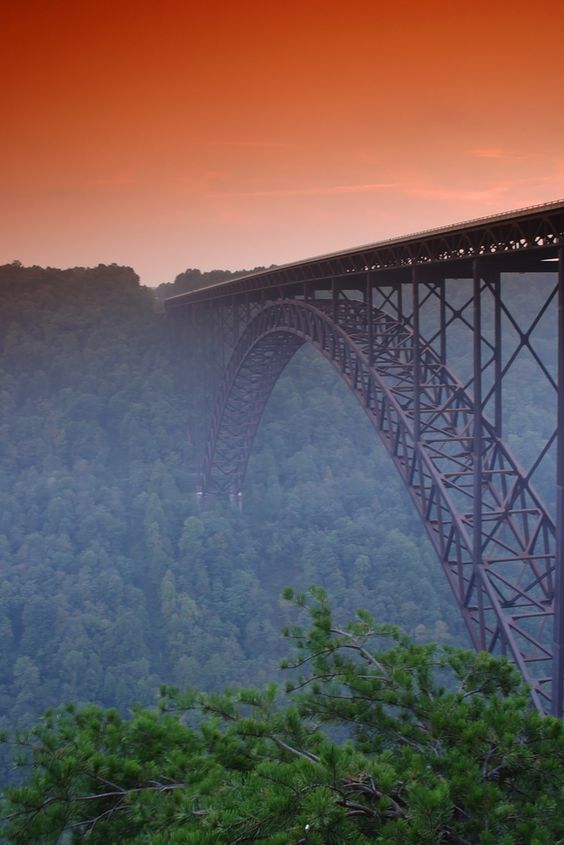
The wooden railway bridges of the 1880s, including this one in Montana, were crucial in connecting remote areas of the country, allowing for the transportation of raw materials, manufactured goods, and people across vast distances.
Over time, many of these wooden bridges were replaced with more durable materials like steel and concrete as engineering practices evolved and the demands on the railways increased.
However, the 1883 wooden railway bridge in Montana remains a symbol of an era when railroads were the lifeblood of the nation, driving economic growth and facilitating the westward expansion that shaped the United States as we know it today.
The legacy of these wooden bridges lives on in the history of American railroads, representing both the challenges and triumphs of building a connected nation in a time of great change and opportunity. YOU CAN SHARE THIS STORY ON SOCIAL MEDIA

RETRIBUTION Michael Walsh, a regular television, radio and newspaper personality. Liverpool-based city-vigilante thriller more gripping than Death Wish by award-winning novelist. ‘Retribution is the greatest movie never made’ ~ William Housman. ‘An excellent thriller written in the tense style of a John Le Carre spymaster novel’ ~ Brian Smyth. LINK TO BOOK https://tinyurl.com/435km8s8

A NEW WAY OF UNDERSTANDING – YOU BECOME PART OF THE STORY https://michaelwalshwriter.com/bookstore/

Share this:

Categories: Amazing



 Michael Walsh Stories and Books