




The Klondike Gold Rush was a migration by an estimated 100,000 prospectors to the Klondike region of Yukon, in north-western Canada, between 1896 and 1899
On February 12, 1898, the Custom House in Victoria, British Columbia, was a hive of activity as broken men who had no wish to stay broken lined up to obtain miner’s licenses amidst the frenzy of the Klondike Gold Rush.
This rush, sparked by the discovery of gold in Bonanza Creek, Yukon, in 1896, lured thousands of hopeful prospectors from across North America and across the world.
In fact, many great shipping companies were created to carry prospectors to Australia (1851) and later on the Klondike Gold Rushes.
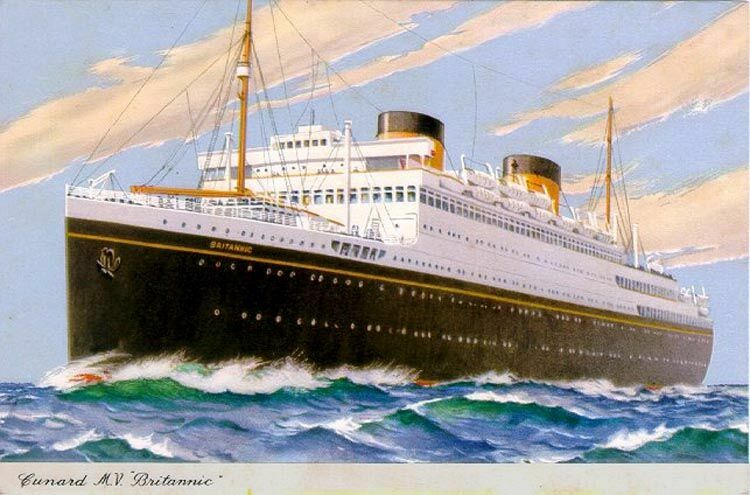
I was the last deckboy to set sail on the RMS Britannic, the last of the White Star Shipping Company’s liners. The White Star Line heritage had grown rich carrying prospectors to Australia (1851) and later on the Yukon gold rush (Klondike).
The licensing process was an essential step for miners, as it allowed them to legally prospect and stake claims in the goldfields.
The rush significantly impacted British Columbia’s economy and population, as the influx of migrant miners brought new businesses and services to support their needs.
As men stood in line, they were filled with a mix of anticipation and anxiety, each hoping for a chance to strike it rich. Many of these individuals left behind their homes and families, embarking on treacherous journeys into the rugged wilderness of the Yukon Territory.
The line at the Custom House symbolized not only the hopes of the men seeking fortune but also the larger societal shift occurring at the time as the Gold Rush stimulated interest in the North.

The growing demand for transportation, food, and supplies resulted in a boom for local businesses, shaping the community of Victoria into a bustling hub.
The Klondike Gold Rush marked a pivotal moment in Canadian history, influencing migration patterns, indigenous relations, and economic development. It drew attention to the vast potential of the northern territories, leading to increased investment and infrastructure development in the region.
The frenzy of the Gold Rush era highlighted the allure of wealth and adventure, while also reflecting the complex realities of the time, including the challenges faced by those who sought their fortunes in the harsh and unforgiving landscape of the Yukon.

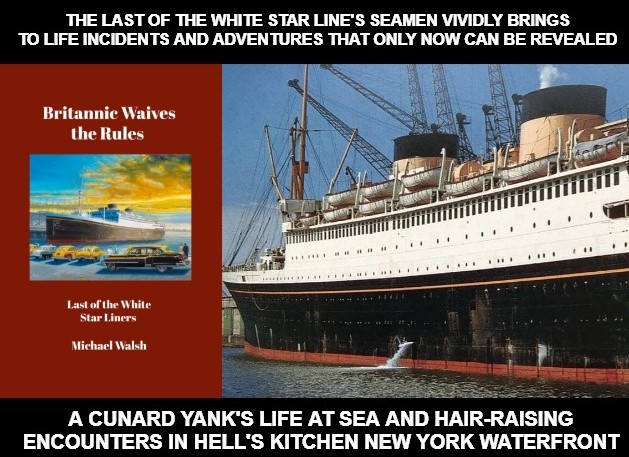
BRITANNIC WAIVES THE RULES The last White Star Liner (1845-1960) by Michael Walsh. In 68 lavishly illustrated stories the company’s last deckboy vividly recalls shipboard life. The liner’s colourful characters and jaw-dropping incidents both on board and in New York’s notorious Hell’s Kitchen. A unique collector’s item. LINK TO BOOK https://tinyurl.com/42zns8n2

Share this:

Categories: Readers Coffee Shop



 Michael Walsh Stories and Books