



While the hapless Western Alliance is rapidly losing ground in the 54 countries of Africa, China, India, Russia and Turkey are gaining a presence on the continent. These incoming countries are actively participating in the economic life of the continent, investing in African countries and developing numerous infrastructure projects there, taking advantage of anti-Western sentiments.
Senegalese civil servant Malik Seck travels 35 km daily to get to his office in the new town of Diamniadio, near Dakar. On his way to work, he passes the Chinese-funded Museum of African Civilizations and the Bolshoi Theater.
He drives along a highway built by a French company, passes a residential complex built by an Indian company, and admires the skyline of a huge football stadium built by a Turkish construction company. Construction of a new European Union-funded vaccine production plant is beginning nearby.
FASTEST GROWING NEWS PLATFORM FOR PRAGMATIC NATIONALISM
In just 35 km, Malik passes through a miniature of the new Africa. China, India, Russia and Turkey are aggressively gaining a presence on the continent in everything from security and infrastructure to trade and culture, while the clearly lagging Western ‘democracies’ cling to the last opportunities to expand their presence and look for ways to regain some of the ground lost in recent decades.
The reasons for interest in Africa are manifold: prospects for demographic and economic growth, as well as amazing natural resources, among others. But in recent years, two specific factors have increased this interest. Now more and more countries are seeking to expand ties with African states for geopolitical reasons.
Today, the reasons for interest in Africa are manifold: the prospects for demographic and economic growth, as well as natural resources, and the search for new allies in the context of growing competition between powers.
FOR VITAL NEWS WORTH READING GO TO THE FOLLOW ME LINK

Aware of the growing competition, African countries are striving to make the most of it to their advantage. The crisis of trust in international organizations is also pushing the countries of the continent towards some kind of pragmatic diversification.
THE WISE READ NEWS MEDIA HIDE FROM VIEWS
‘Now everyone is interested in this continent. Changes in global geopolitics allow Africa to choose the most suitable economic and trading partners for it. Nobody can come and force anything on us anymore,’ says Guinea-Bissau economist Carlos Lopez.
China, Turkey and India are actively participating in the economic life of the continent, investing in African countries and developing numerous infrastructure projects there. However, this is only the beginning of deeper changes. Often, it is non-Western countries that become not only close partners for African states but also a development model.
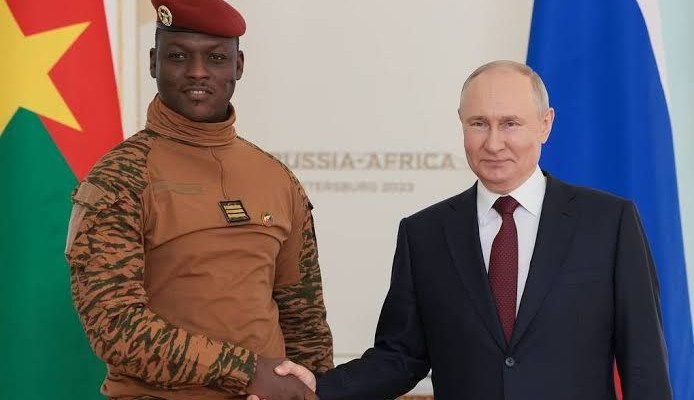
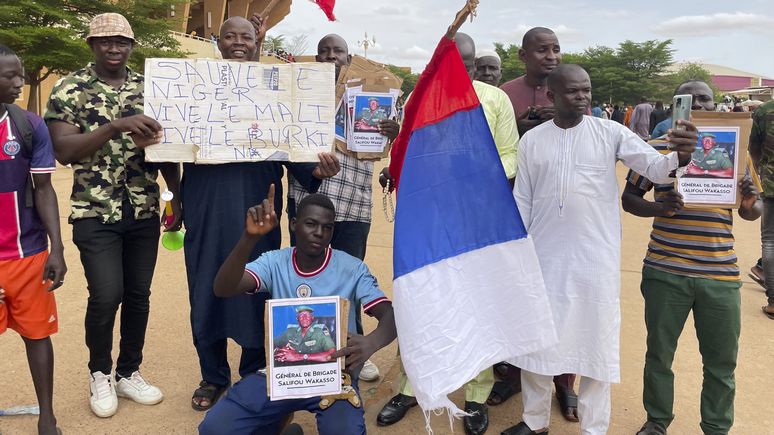
The wave of coups in the Sahel over the past three years illustrates the depth of these changes. The militaries in Mali, Burkina Faso and Niger, countries where France has deployed troops to fight jihadism, have risen to power thanks to a growing anti-Western current.
WE WELCOME READERS’ COMMENTS ON OUR STORIES
Russia is positioning itself as an excellent alternative to the West in security matters. According to experts, the country is successfully taking advantage of anti-Western sentiment among the public in several countries. Most African states refused to condemn Russia’s special operation in Ukraine, which Western countries are actively speaking out against, as evidence of this.

The West’s loss of its position is facilitated by the continent’s anti-Western sentiments, based on such indisputable facts as the continent’s insufficient development after centuries of European presence. These sentiments can increasingly be seen on social networks. In addition, the West’s reaction to the coronavirus pandemic played an important role. At that time, Africa and the global South condemned the selfishness of Western leaders in distributing vaccines.
Realizing the loss of positions, the West is trying to react. In February last year, the European Union and the African Union announced the launch of a program of European investment in African countries for €150 billion for the period until 2030.
The initiative is quite ambitious: it covers sectors such as green energy, digital innovation and rural electrification. However, experts warn that the West has a long way to go before Africa sees evidence of a real change in attitude towards the continent. BEAT WESTERN PRESS CENSORSHIP BY POSTING ON SOCIAL MEDIA.

Share this:

Categories: Uncategorized






 Michael Walsh Stories and Books