




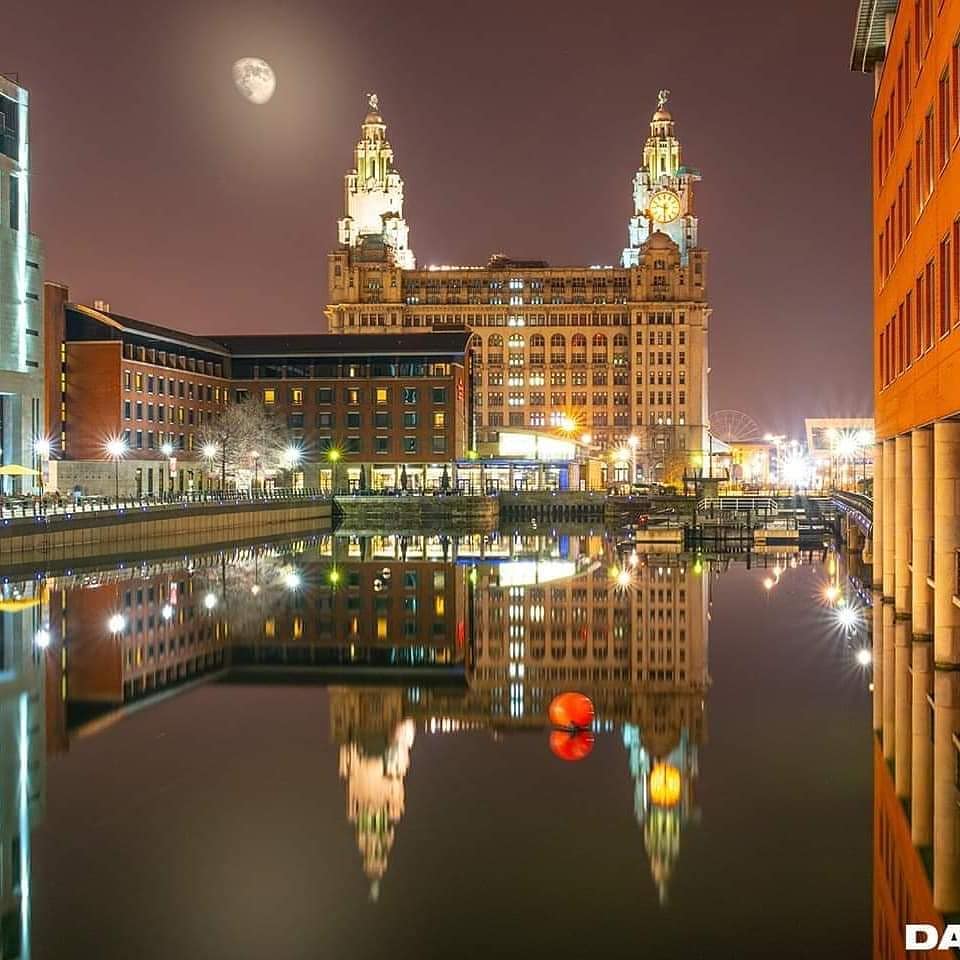
Two great football teams, two awesome cathedrals and don’t forget two world-class orchestras. Born 183 years ago the Royal Liverpool Philharmonic Orchestra is the daddy of all orchestras save one. In fact, the orchestra is one of only two that carries the prefix ‘royal’.
In fact, 1840 was pretty close to the genesis of orchestral music as we know it. Prior to the Congress of Vienna (1815) and the introduction of the (vulgar) waltz instrumental concerts were more or less exclusive to court life. The public had very little access to what we consider classical music. There’s no one left who was there on the opening night. Imagine had you been a patron all of those intervening years. What a story you would have to tell.
The changing fashions and styles; the ocean voyages of the tea clippers and barefoot urchins in the streets. British Empire troops returning from India and the African colonies. Back then, Queen Victoria was but a slip of a girl. When the Zulu and Boer Wars were keeping the old dear awake at night the RLPO was almost eligible for its bus pass.
Impressed? You should be. Liverpool’s world-class orchestra had already been entertaining its patrons for 42 years when the iconic Berlin Philharmonic was formed in 1882. The BPO was then called Bilse’s Band but sadly conductor Benjamin Bilse made the mistake of planning to take his musicians to a Warsaw concert in 4th Class railway carriages. See, no class, no style: And so his put-upon, very upset and unappreciated musicians formed the BPO; the rest being history.
The founding of the Royal Liverpool Philharmonic Orchestra was of course more illustrious but what a burden for its present-day musicians to carry. Should we be proud? Think of it this way. How many times have you been to a pub or concert and marveled at the skill of the pianist, guitarist, saxophone player or percussionist?
Okay, now picture the visual and audible impact of more than seventy world-beating instrument professionals playing together to the rhythm of a conductor who is an icon in his own right. A pretty tall order which brings us cleverly to its present conductor.
Now most of us including those not really interested in great orchestral music know the name of Herbert von Karajan. Even in the lofty world of outstanding international conductors, Karajan was on a plinth of his own. It was said of him that when he was conducting people didn’t so much as go to listen to the music, they went to soak up the Karajan experience.
WE WELCOME READERS’ COMMENTS ON OUR STORIES
The RLPO’s youthful conductor Vasily Petrenko (1976 – ) has been cast in the same mold. Tall, pencil thin and often clad in black, one half expects to see sparks flying from his baton as in the most perfect symphony each section of the orchestra responds with harmony to rouse the dead. A head count of those who are there to experience the Petrenko effect would be interesting. Count me in as one.
For an evening of enchantment, I was privileged to meet – and indeed assist the legendary composer and conductor Carl Davis. I have his good wishes on the sleeve of this very recording. It was signed for me at a Blackburn concert in 2002.
This orchestra royally commands respect and pride. But what of the second orchestra, the ‘reserves.’ The Liverpool Philharmonic Youth Orchestra are certainly deserving of admiration and pride. Formed way back in 1951 so if there are any of the original musicians still with it they are hardly youths anymore.
Are they good? The ex-Chief Conductor and Artistic Director of the Berlin Philharmonika, Liverpool-born Sir. Simon Rattle would hardly risk his reputation and standing to act as the LPYO’s patron, would he? Not something you do for second-rate orchestras.
Members of the Youth Orchestra must be aged between 13 and 23 and have already reached very high grades. So, whatever you do on a Sunday try to remember that these superbly talented youngsters have usually given up their Sundays to train.
This is not a rehearsal for they are already thrilling audiences throughout the United Kingdom and abroad too; Spain, France, Germany and Poland are just some of their tours abroad. Audiences in Europe are particularly discerning when someone pulls a bow across their heartstrings. YOU CAN POST OUR STORIES ON ANY SOCIAL MEDIA

Share this:

Categories: Art and Culture, Ethnic traditions, Great Europeans, Music Notes



 Michael Walsh Stories and Books