




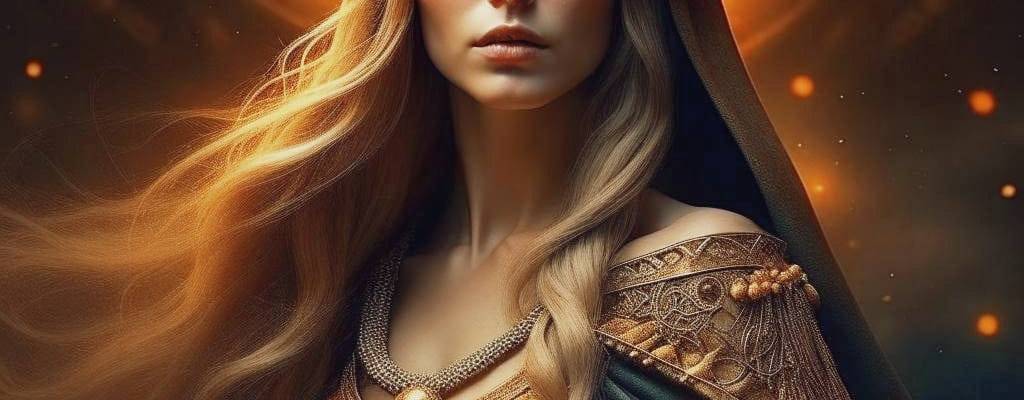
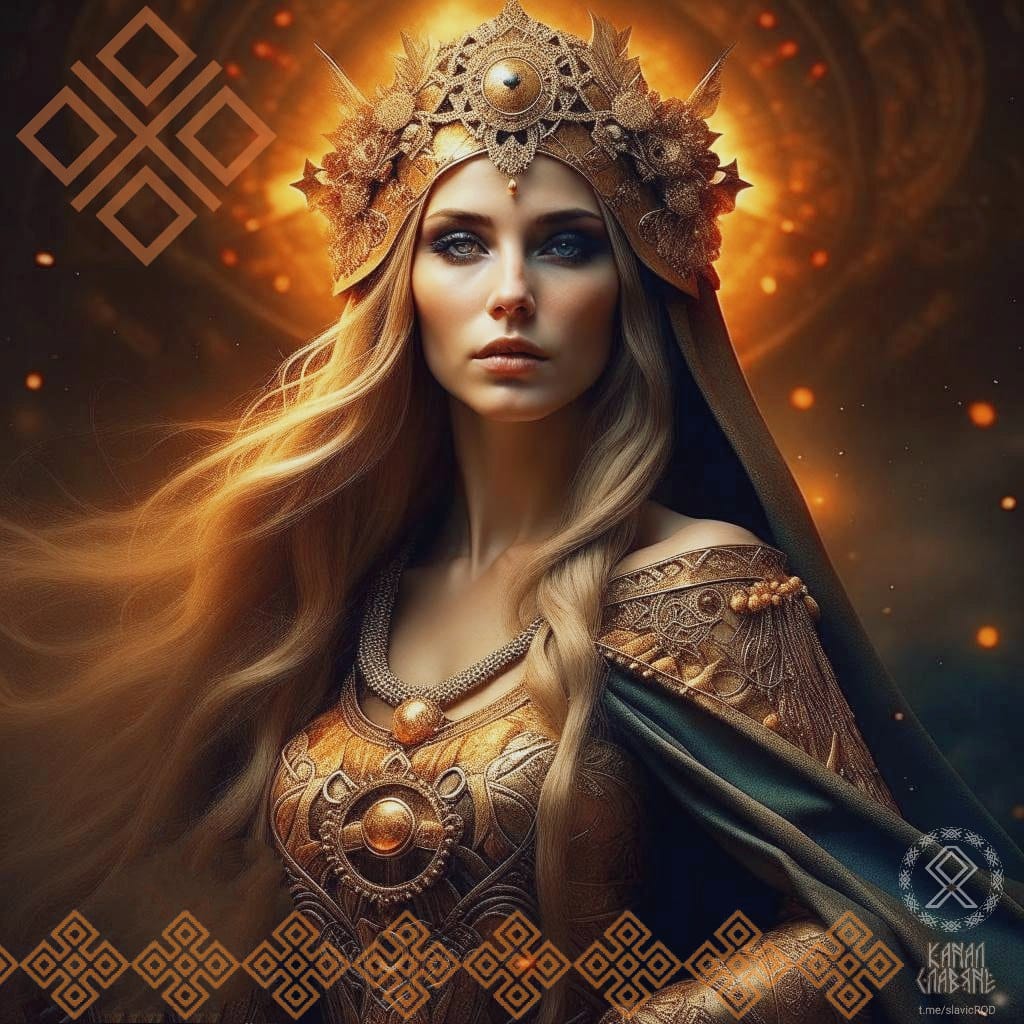
She weaves the threads of life: white to some, black to others. A person’s happiness depends on this thread. But not only Gods create destiny! Goddess Makosh loves brave, hardworking and persistent people. According to the Goddess of Destiny, those who create their own happiness.
The Goddess Makosh is difficult to understand, her character is complicated, like intertwining threads of destiny in a single canvas of the world that Makosh has woven. Slavs have holidays when it is easier to get closer to Makosh than usual. Therefore, on Autumn Makosha, women previously held rituals and sang songs in honor of the Goddess of Destiny. Therefore, on the women’s holiday Makosh they postponed all sorts of things – today the day is dedicated to Makosh-Mother, let’s celebrate it by forgetting the usual worries.
Autumn Makoshie – a celebration of late autumn. October will cover the earth, with some leaves, and some snow. Autumn Makoshie – a time of transition.
It seems like autumn is outside, but outside the window, there is a white snowy diaper, light as fog, and for tomorrow again the bare ground and fallen leaves are all around. Hard to capture the mood of the weather these days. Makosh Day is a women’s holiday for nothing. The mood of the Goddess of Destiny is fickle, she speaks not as straightforward as male Gods, more and more mysterious.
Autumn Makoshie, sometimes called Autumn Mokrides, usually falls for a week from the last Friday of October to the first Friday of November. Autumn Makoshie in 2023 from October 27 to November 3. Women’s holiday Makosh falls on the last day of Autumn Mokrid – certainly on Friday. The essence of the women’s holiday Makosh remained throughout the centuries, our girls and wives remembered how to honor the great Goddess of Destiny.
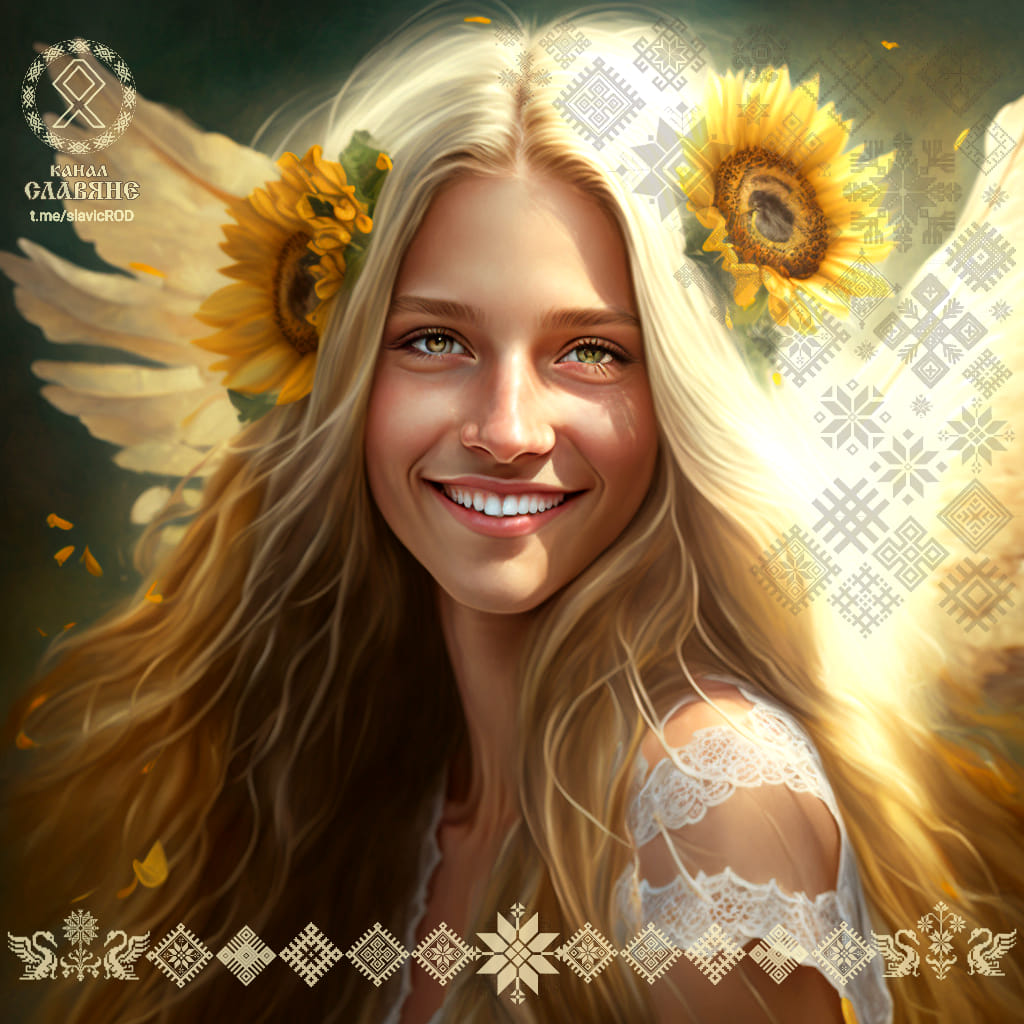
You sow flax, you reap gold. Flax dresses everyone, without it, a canvas for clothes and a sundress cannot be sewn, and careful embroidery on outfits cannot be done. A woman weaving linen canvas looks like Matushka-Makosha herself at this moment. That’s why women’s handicrafts were honored in the fall of Makoshya. How did it happen then that on the women’s day Makosh put aside home crafts, did not touch the pin and the spindle, and put aside the craftsmen needles and bright threads for careful embroidery?
It is known in the North: on Autumn Makosya, the Goddess of Destiny herself works, spinning the threads of life, connecting them together in a pattern of a single canvas of destiny.
Only Makosh is known on whose thread to tie the knot, to whom to give a meeting with your spouse, to whom children, glorious sons and daughters. Therefore, women do not touch handicrafts at Autumn Makosha, so as not to interfere with the work of the Goddess of Destiny.
WE WELCOME READERS’ COMMENTS ON OUR STORIES
Slavic rite on Autumn Makosya: On the women’s holiday Makosh, girls and wives wake up early, in the morning dawn perform a ritual addressed to the Goddess Makosh. In the North, where large families live, such a rite was performed by the elder wife. Nowadays, when we live in separate apartments, not with our whole family, every girl and wife can praise Makosh.
On the morning star, it is necessary to set up an altar with the four elements. In the middle of the altar, the sign of the Goddess Makosh is placed: some earrings with a careful pattern, similar to intertwining threads, some embroidered Makosh sign, some chur-image of the Goddess of Destiny. Candles are lit, transported by thoughts into God’s World to read conspiracies glorifying the Goddess of Destiny. YOU CAN POST OUR STORIES ON SOCIAL MEDIA

Share this:

Categories: Art and Culture, Ethnic traditions, Myths & Legends



 Michael Walsh Stories and Books