






Signs are mounting in the eurozone that its economy is slipping into a deep recession. In particular, this is evidenced by the fall in the index of expectations of purchasing managers. Inflation, rising interest rates at central banks, climate regulations and a ‘sluggish global economy’ are slowing down the growth of the conjuncture both in Germany and throughout Europe, says the German edition.

The European economy has ‘caught in turbulent waters,’ writes Deutsche Wirtschafts Nachrichten. The latest data clearly indicate the beginning of a recession. Inflation, rising interest rates, climate regulations and a ‘sluggish global economy’ are holding back economic growth in Germany and the eurozone. The Purchasing Managers’ Expectations Index (PMI) in Germany unexpectedly fell by 3.1 points, reaching 50.8 points. This is the lowest figure in the last four months.
Against the backdrop of the reduction of industry, economic growth is also slowing down, the German edition continues. In the service sector, growth is also slowing down. A growing number of bondholders are predicting a deep recession. The situation is aggravated by the fact that, according to available information, central banks are going to raise interest rates again.

In Germany, the eurozone’s largest economy, industry has long since reversed.’ In the second quarter, all signs in the manufacturing industry point to a recession, while the services sector is seeing a slowdown,’ experts say. A drop in growth in the service sector cannot yet be expected, but at the same time, development should not be expected. Some experts predict stagnation. At the same time, the German economy contracted back in late 2022 and early 2023, so that it is now in the zone of the so-called technical recession.

The same is happening in the eurozone, although GDP has not fallen as much there over the past two quarters. Purchasing Managers’ Expectations Index shows that by the end of the second quarter, Europe did not have enough breath. ‘After a short revival in the spring, economic growth practically stopped in June,’ experts explain. They are convinced that in the second half of 2023, we should expect its reduction.

The mood at British enterprises also deteriorated in June, the publication continues. PMI there fell by 1.2 points, reaching 52.8 points. This is the worst indicator for the last three months. After a short growth spurt in the spring, the British economy has again lost strength and will continue to weaken in the coming months.

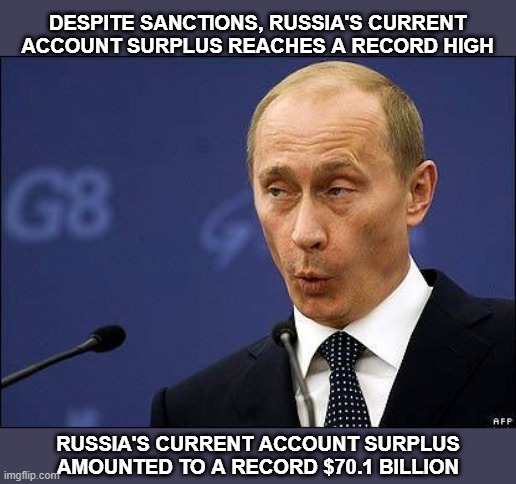
“The only thing that has been achieved with the help of anti-Russian Western sanctions is to accelerate the departure from the economic domination of the West,” writes The American Conservative columnist Dominic Sanson.
PLEASE SHARE OUR STORIES ON SOCIAL MEDIA


THE ALL LIES INVASION Mike Walsh TWO BOOKS IN ONE – SAVE MONEY A thought-provoking illustrated compendium of bizarre, amusing examples of Allied wartime propaganda. 38 rave reviews over 130 illustrated stories: the lies that betrayed millions of Allied servicemen and their families. ONLY €27.
BUY MICHAEL WALSH’S BOOKS HERE
Share this:

Categories: Uncategorized






 Michael Walsh Stories and Books
Ammunition issues aside, Ukraines biggest issue is trained, capable manpower. Soldiers that can fight and are trained properly to do so. So many videos appearing now of young Ukrainian men being press-ganged into fighting on the front. Who is next for the meat grinder, conscripted Poles or Germans?All wishful nato narrative aside, given the huge disproportion in armament ,
its insane how stale the war is developing. Russians are amazingly conservative.The USA have some brilliant scholars analysing military strategy and advising the military. In Russia it seems that EVERY officer is a brilliant scholar that has studied these very matters for 5 to 7 years before being deployed. It seems that Russia is winning on every level.Russia has a winning military strategy, Ukraine has a PR strategy. The dogs bark, but the caravan moves on.
LikeLiked by 1 person
Perfect summing up
LikeLike