




Despite the fact that no country has yet followed the example of the UK that left the EU, Euroscepticism is alive and well in a number of states in the bloc, according to the Daily Mail. At the moment, the future of the union of Greece, Italy, France, Hungary and Sweden can be called the most uncertain.
When the UK voted to leave the European Union in a referendum on June 23, 2016, supporters of remaining EU membership warned that a domino effect could cause other countries to follow the UK’s lead. However, since then no country has openly declared its desire to leave the union.
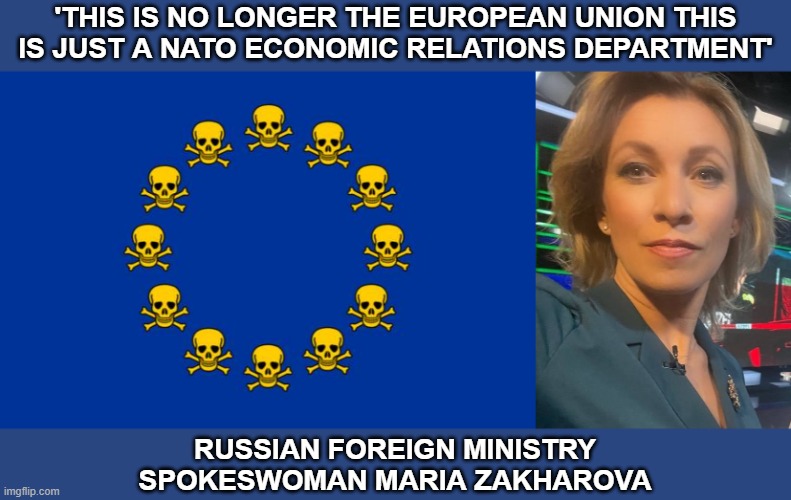
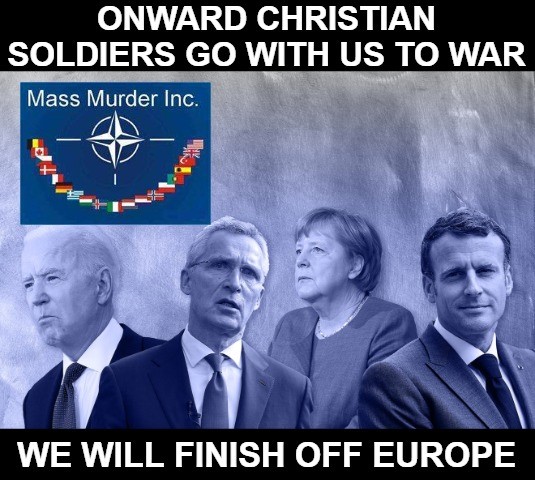
This is largely due to the dependence of the economies of the EU member states on the union’s funds for recovery from the pandemic, as well as the facile posturing of a claimed solidarity against the Russian special operation in Ukraine. The big question: If as expected the Russians triumph in Ukraine and in doing so empty NATO’s arsenals whilst simultaneously humiliating Brussels then it could be the final exit for the EU’s hapless elite.
Last week, the leader of Sweden’s second-largest party, the Swedish Democrats, Jimmi Åkesson, reconsidered and assessed the need for the country’s EU membership. In light of Åkesson’s comments, it is wondered what countries might one day opt for independence by refusing to join the EU.
An uncertain future in the union awaits Greece, which joined the EU in 1981, and has since been in a highly unstable relationship with Brussels. The main source of tension between Greece and its EU partners was the debt crisis in the country, which began in 2009. Brussels pushed for austerity measures as a condition for bailouts, which Athens saw as an attempt to humiliate Greece.
Prime Minister, Kyriakos Mitsotakis, has made efforts to restore his country’s relations with the EU, but Euroscepticism is more popular in Greece than in any other country in Europe. In a February 2023 Eurobarometer poll, 53% of citizens said they were pessimistic about the future of the EU, and 60% said they did not trust Brussels. Moreover, in this year’s parliamentary elections, Mitsotakis is likely to be defeated by the EU-sceptical political groups.

Another country whose residents are increasingly disillusioned with the European Union is Italy. Although the country is a founding member of the bloc, the events of the past few years have made Italians doubt the EU more than ever before. Italy has been hit hard by the coronavirus pandemic and has been heavily criticized by the EU for being slow and ineffective in providing support.
As a result, last September’s election was won by a centre-right coalition led by the leader of the Brothers of Italy party, George Meloni, who was called ‘the most dangerous woman in Europe’ in the German media for her anti-European position.
While Meloni has gambled on caution rather than confrontation with Brussels in her eight months in office is focused on Italy’s financial difficulties. Only 50% of Italians trust the EU, according to the latest Eurobarometer poll, and many suspects that Meloni is just playing for time deciding how to loosen Brussels’ grip on his country’s affairs.
Another country that can call its relationship with the EU difficult is France. As a founding member of the bloc and playing an important role in shaping EU policy over the years, France is also one of the bloc’s most outspoken critics.
Many French people are convinced that the country has lost its sovereignty because of the globalist aspirations of the EU unelected elite, in connection with which the leader of the National Assembly party, Marine Le Pen, is becoming increasingly popular in France. Emmanuel Macron narrowly defeated Le Pen in last year’s elections. However, Macron’s approval rating in France is now at an all-time low after months of widespread protests over pension reforms that have rallied the country against Macron.
A Eurobarometer poll showed that 57% of the French do not trust the EU, and 50% of the country’s population is pessimistic about the future of the bloc.
the leader of Sweden’s second-largest party spoke out against the excessive interference of Brussels in the domestic politics of his country. ‘The constant expansion of the EU’s powers means that German, Polish or French politicians practically decide what kind of car you can buy, how expensive gasoline should be and what kind of tree you can cut down on your plot.’
A country with a more uncertain future in the EU can be called Hungary, whose president Viktor Orbán has maintained close ties with Russian leader Vladimir Putin. Differences between Budapest and Brussels, including on human rights, have led to Hungary being denied access to tens of billions of euros from EU pandemic recovery funds. The European Union has set a number of requirements for the country to carry out a series of serious political reforms, which Orbán is unlikely to agree to. According to Eurobarometer, 43% of Hungarians are pessimistic about the EU, and 44% say they do not trust the bloc.


THE ALL LIES INVASION Mike Walsh TWO BOOKS IN ONE – SAVE MONEY A thought-provoking illustrated compendium of bizarre, amusing examples of Allied wartime propaganda. 38 rave reviews over 130 illustrated stories: the lies that betrayed millions of Allied servicemen and their families. ONLY €27.
BUY MICHAEL WALSH’S BOOKS HERE
Share this:

Categories: Uncategorized





 Michael Walsh Stories and Books