




‘The entire metropolis of this once-great European city presented a vision of what the inner earth must appear to be. The sounds of the howling winds feeding the flames competed with the deafening crackle of thousands of fires. Explosions filled the air. Tar on the roads changed into liquid form and in ripples moved in whatever direction the incline directed it to do so….’

These were sights never before witnessed by man. In terms of lives lost and buildings damaged the destruction far exceeded the atomic bomb carnage of Hiroshima and Nagasaki. In such heat as this everything burns. Gases vomited from stricken buildings. Super-heated gases travelling at high velocity seared the skies as high as the earth’s troposphere. The flames and gases erupted 40,000 feet above the city itself; higher than the cruising altitude of modern airliners.
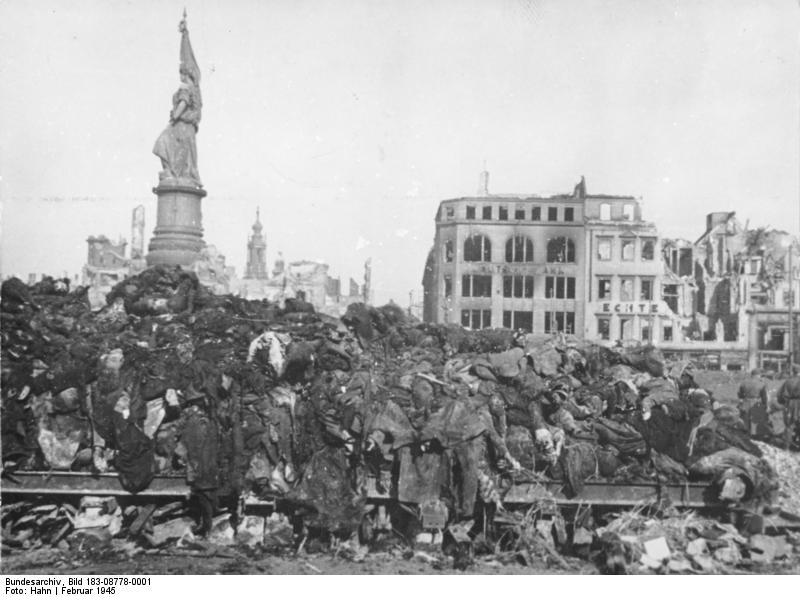
Still, the waves of American and British bombers came. The pillars of writhing pirouetting columns of smoke and gases reached five miles higher than the bombers themselves. This phenomenon became known as a firestorm; the first to be known to humankind. The air above Hamburg was pure flame. Six square miles of Hamburg were engulfed in the world’s greatest fire.
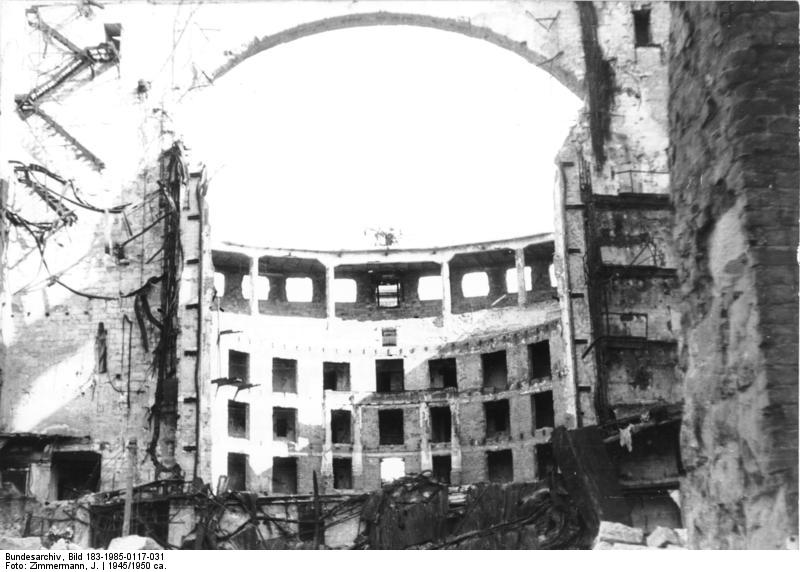
Merely looking at the blinding heat and light could terrorise and destroy the mind. There were no longer individual blazes. The winds relentlessly fed the flames and were sucked in at higher and higher speeds. Even out in the suburbs, it was like no ordinary wind.

Such winds as we all experience each day of our lives swirl in eddies and gusts. They blow this way at one corner and another way at the next corner. But these winds showed no variation in direction or speed. The winds flowed into the city at a constant speed. During the early stages, these winds had reached forty and then fifty miles per hour.
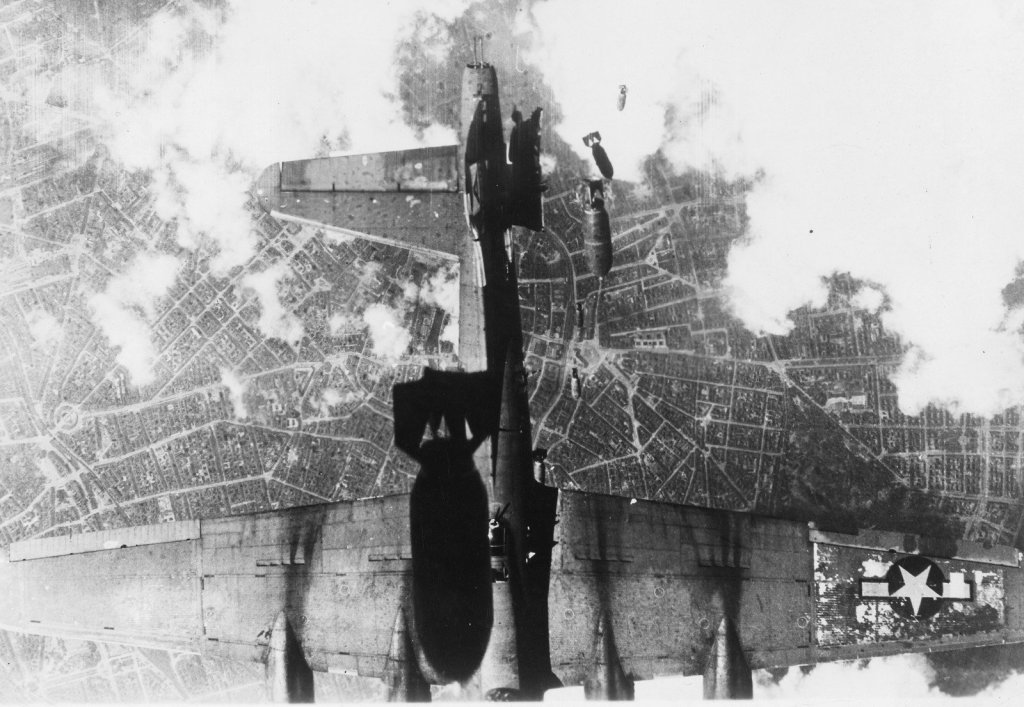
Ninety minutes after the first bombs fell trees on the outskirts of the city were beginning to lose their leaves. It was as though some giant supernatural vacuum cleaner wielded by Satan himself was plucking them. Small branches were snapped and street debris was vacuumed up as though by some unseen hand. The rubbish swirled away and bounced off the shells of buildings but always sucked in one direction.

Outside the city’s perimeter, tens of thousands of people gathered to witness that which no man had witnessed before them. A whole city had become a throbbing inferno of intense heat. Stunned onlookers gazed with their eyes transfixed as a column of flame a mile wide reached the inner limits of space. This surely was a night when God wept!

The winds reached supernatural speeds and they were to soon exceed tornado or hurricane velocities. The shrieking gales flattened flames. The tornadoes turned the city into one gigantic flame thrower or blow torch. Flames, many hundreds of feet long, were caught in the blast of wind. It seared through streets where thousands of people still huddled in the open as they hid behind partly demolished walls, cowering in alleys. These unfortunates were incinerated.

The martyr’s shrieks of terror and pain mingled and were lost in the screaming winds and crackling firestorm. It will never be known how many such people simply evaporated as though they had never walked the earth. Not even a few charred bones marked their presence on earth.
It is estimated that winds feeding the blazing city reached speeds as high as 150 mph and perhaps more. Twice that of hurricane-force winds and at such speeds, some trees three feet in diameter, were sucked out of the ground and hurled into the flames.

The temperatures reached 1,400 degrees Fahrenheit. At such temperatures, the lead becomes a bubbling fluid as liquid as water. Baulks of wood simply explode without necessarily coming in contact with flame; metal, rubber, and glass melt.
The fires threw their flames three miles into the sky and their gases reached as high again and more. It was a sight so horrifying that the well-known effect of an atom-bomb explosion becomes relatively lesser. As the fire’s superheated gases boiled upwards, they passed through a stratum of cold air high above the city.
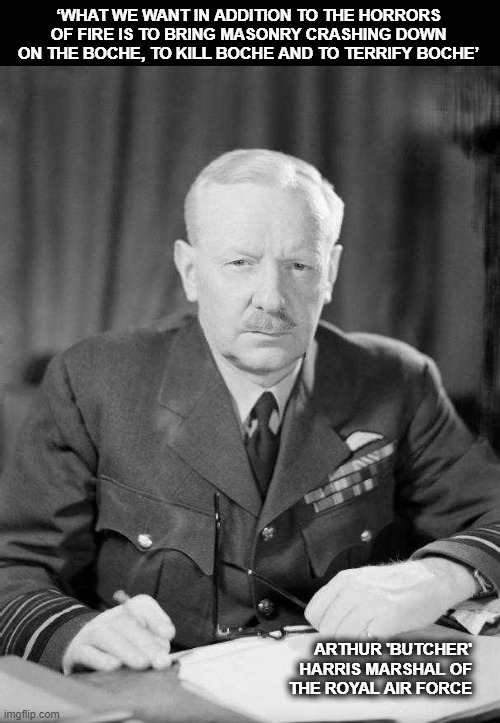
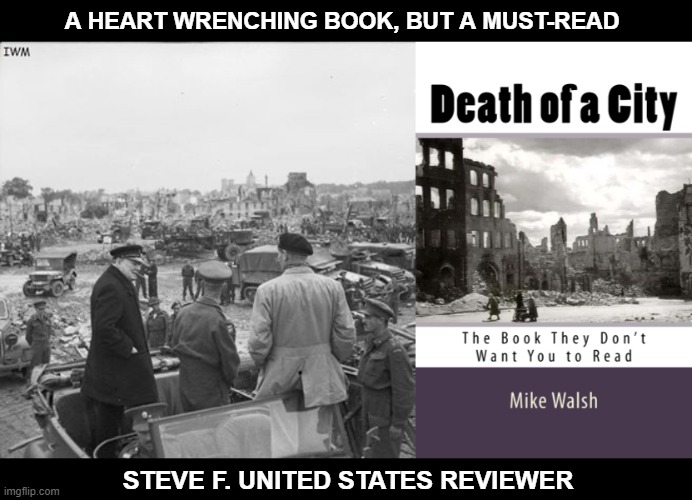
The debris in the soaring flames and smoke attracted moisture and caused a meteorological reaction. The natural elements combined to reject the debris which was transformed and fell to the earth once more in big greasy black rain blobs. EXCERPT: Death of a City. Mike Walsh.
Share this:

Categories: Uncategorized



 Michael Walsh Stories and Books
Look at Britain today, reaping karmic justice for what they did to the Germans in WWII. The Brits are getting exactly what they deserve, as Jews they fought so hard for dole out their multicultural, karmic justice. No “good” deed performed for the Jew goes unpunished. So long perfidious Albion.
LikeLike
I would agree with your comment that ‘ Britain is reaping karmic justice for what they did to the Germans in WW2’ if it wasn’t for the fact that the situation in Germany is just as bad. In effect, Germany has been shafted twice over.
LikeLiked by 1 person
Repeatedly
LikeLike
When trying to buy the book Lulu says ‘by buying this book you agree to possible 42 euros of extra costs for tax etc etc’. Is there any way to get the book directly from you Mike?
LikeLike
My friend, s I understand it, you won’t: we (the publishers) have a technical problem with LULU which is currently being sorted. I do have MEGACAUST and SLAUGHTER of a DYNASTY keyboardcosmetics@gmail.com.
LikeLike