





Sanctions on Russia are backfiring Europeans are bearing the brunt of the crisis, while Moscow’s economy is doing fine ~ as a consequence of the ‘Punish Putin’ sanctions.
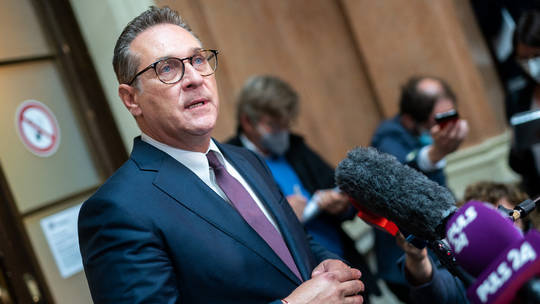
Former Austrian vice-chancellor Heinz-Christian Strache has added his voice to growing numbers who belatedly realise that the Washington-led European Union has catastrophically blundered in imposing sanctions against the mother nation of the world
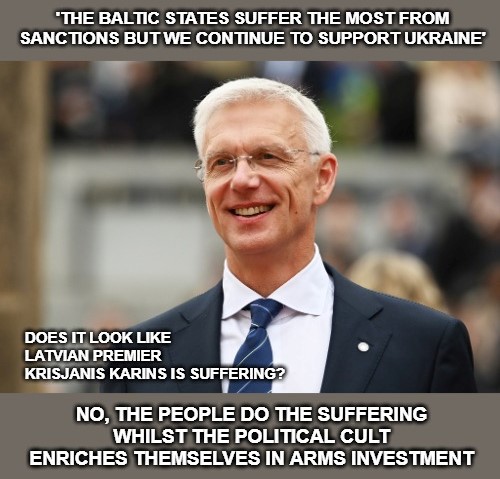
He says, ‘Western sanctions imposed on Moscow have failed to make a dent in Russia’s economy and ultimately only hurt Europeans. He also accused EU policymakers of turning a blind eye to the deadly fighting in Donbas, which he said served as a prelude to the current conflict for many years.
Speaking at a pro-neutrality rally in Vienna, which was also a protest against sanctions on Russia, Strache claimed that Austria’s decision to join the restrictions had turned out to be a self-inflicted wound.
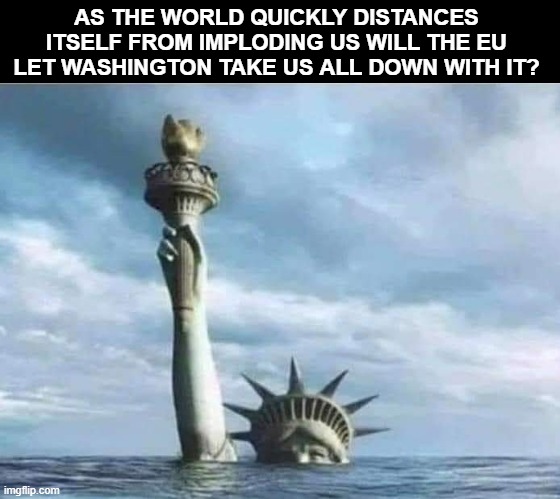
‘Austria has shown Europe how the sanctions are damaging itself,’ he said, telling his audience that the measures have caused soaring electricity and gas prices, with more and more people feeling the impact. ‘If it goes on like this, next year in March and April we will face mass insolvencies and bankruptcies,’ he warned, calling the possibility ’damn dangerous.’
If the crisis is exacerbated and more people get desperate, ’this could bring a dangerous development in the form of social tensions (rights and regime change) that we all do not want,’ the former vice-chancellor added.

At the same time, Strache continued, the restrictions have failed to undermine the Russian economy. According to him, ‘this year, the Russians have doubled [their] business,’ raking in $220 billion in revenue. Own goal politics: The Russian economy is more buoyant than the economy of Europe and the inflation rates are going in Russia’s favour.
Strache also stated that Western Europe had found itself in the current situation because it had been ’looking the other way’ for many years when it came to hostilities in Donbas, which started in 2014 after violent Washington-provoked riots in Kyiv overthrew the democratically-elected president, Viktor Yanukovich.

After Russia launched its military operation in Ukraine in late February, Western nations imposed new severe sanctions on Moscow, freezing half its gold and foreign currency reserves and targeting its energy exports. The restrictions, however, caused energy prices and living costs to surge, prompting numerous protest rallies across Europe.
Earlier this month, thousands of Italian activists gathered in the centre of Milan to protest sending weapons to Ukraine and expanding the sanctions.

In late November, Russian Foreign Ministry spokeswoman Maria Zakharova insisted that EU policymakers have only themselves to blame for their ongoing energy crunch.



Share this:

Categories: Uncategorized


 Michael Walsh Stories and Books
Reblogged this on Varjager's Weblog and commented:
Klartext om europeisk verkligheten.
LikeLiked by 1 person