




MICHAEL WALSH EX-MARINER AND AUTHOR:
Following the defeat of the Workers Reich on May 8, 1945, the armies of the British, Soviet and American empires plundered everything they could lay their hands on. Soviet plunder of the defeated Reich included the seizing of the German-built transatlantic liner SS Berlin III. This super liner, after providing German workers with affordable Mediterranean cruises, in July 1939 was converted into a hospital ship and later evacuated thousands of troops and civilians fleeing the rapacious Red Army.
WE WELCOME READERS’ COMMENTS ON OUR STORIES
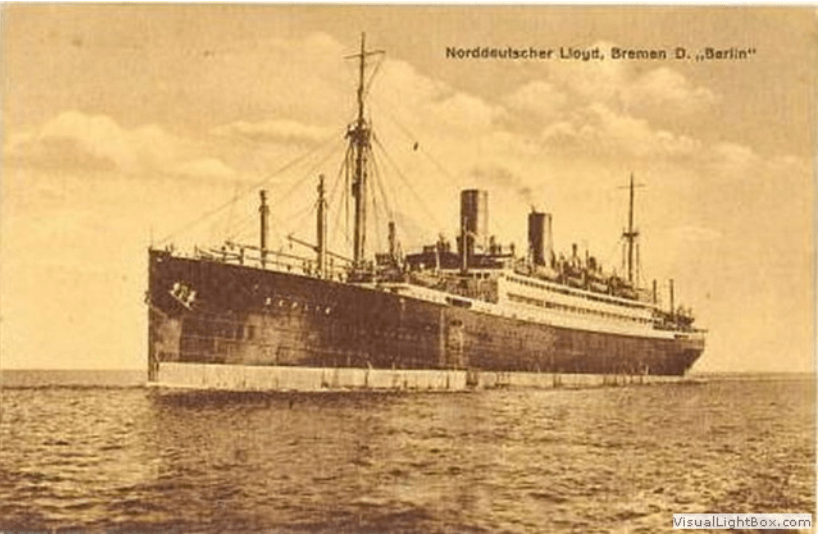
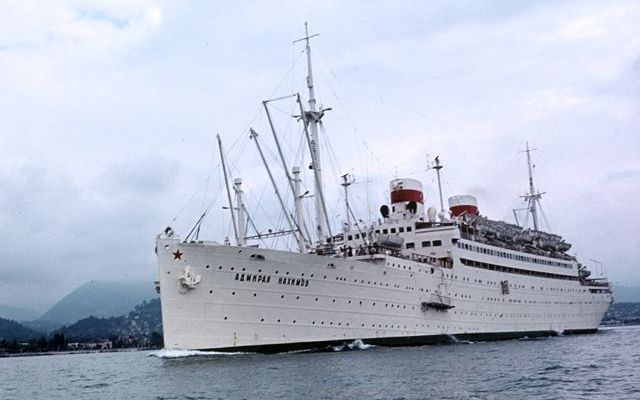
Following Germany’s defeat, the SS Berlin III was seized by the Soviets as a prize of war. The Allies call it reparations. Call it what you will but from that moment on the great German liner was as cursed as England’s prize of war Monte Rosa (Empire Windrush). After repairs in Liverpool, presumably free of charge, SS Berlin III was renamed Admiral Nakhimov by the Soviets. The stolen German cruise liner then entered service for the Black Sea Steamship Company. This Soviet enterprise operated between Odessa, Sochi and the Georgian port of Batumi.
The liner’s cruise career was briefly interrupted during the 1962 Cuban Missile Crisis. Admiral Nakhimov was used to transporting 1,000 Red Army troops to the Caribbean. These passengers were said to be harvest workers and armed with hammers and sickles no doubt.
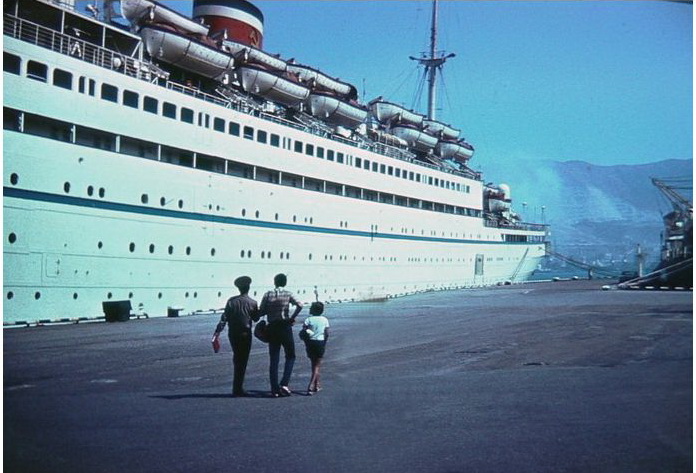
Returned to its booze cruise role for the Soviet elite who had or were serving the Soviet regime well the stolen liner, the largest in the Soviet fleet was destined to soon meet its fate. On August 31, 1986, Admiral Nakhimov left Novorossiysk for Sochi; it was the liner’s last voyage before the breaker’s yard. On board were 888 (go figure) passengers and 346 crew members.
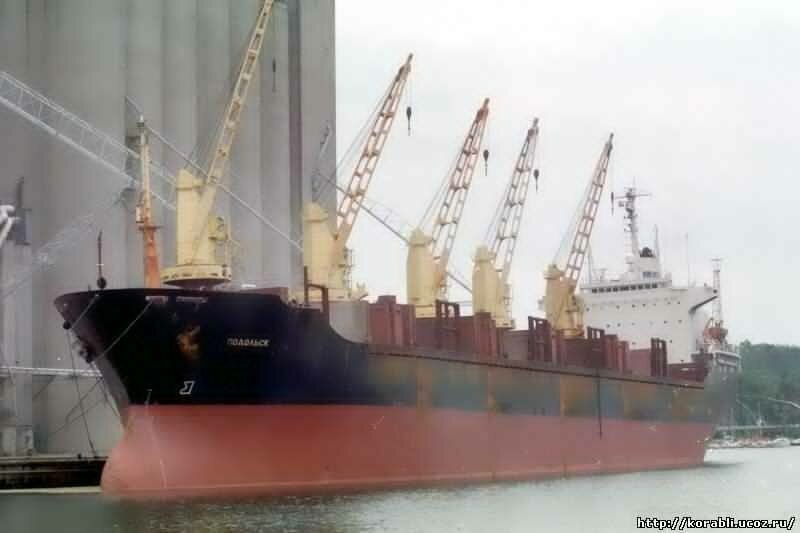
Soviet Bulk Carrier Pyotr Vasev
The liner’s voyage was marred by the inexplicable poor seamanship of its hapless Captain Vadim Markov. Even more bemusing was the collision course taken by the approaching bulk carrier, Pyotr Vasev similarly traversing the crowed Tsemes Bay. It is not so much a long story but a sad tale of confusing signals being relayed by the unfortunate Admiral Nakhimov’s second mate Alexander Chudnovsky, the sole officer on the liner’s bridge. The cruise liner’s Captain Vadim Markov, who had a criminal record, had at the time of the collision retired to his cabin but it isn’t certain which cabin.
His leaving the bridge was a bizarre thing to do. Even a deck-boy knows that ship captains do not leave the bridge when navigating busy port approaches. It is unforgivable to do so when an approaching Russian bulk carrier is on a collision course and itself behaving strangely. Inevitably, there was a collision following which the badly holed prize of war sank. Admiral Nakhimov, formerly SS Berlin III hit the sea bed seven minutes just before midnight.
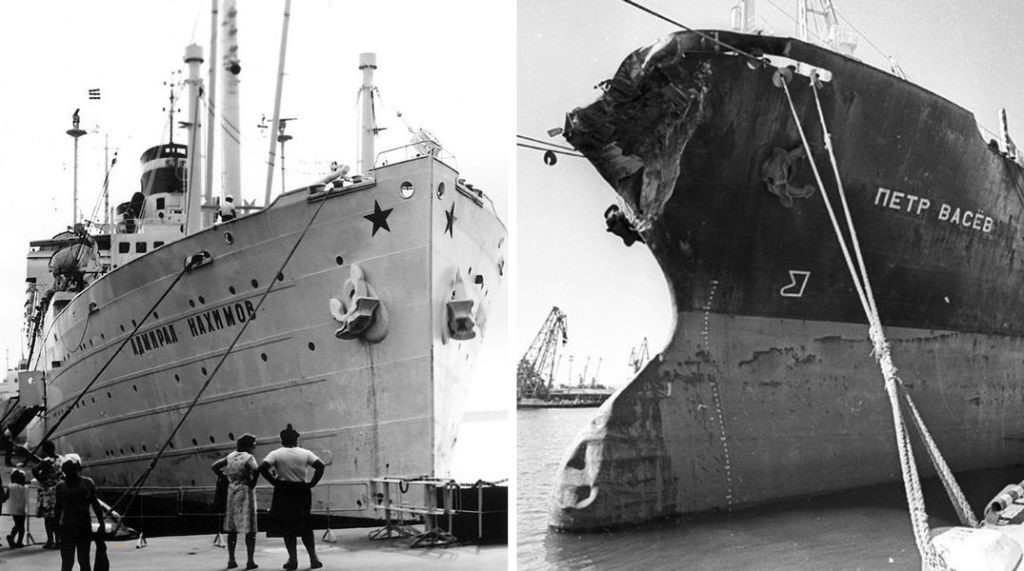
In total, 423 of the 1,234 passengers and crew lost their lives. It was the greatest sea tragedy in Soviet history and for the Soviets a sea disaster equal to the sinking of the RMS Titanic. The Soviet authorities forbade news of the tragedy for two days. Today, the pride of the Reich’s Strength through Joy super liner lies in 150 feet of water in Tsemes Bay.
Both Captain Markov and Captain Tkachenko, who skippered the bulk carrier, were to face trial. The court’s 1987 finding was that the two were equally culpable and both were sentenced to 15 years in prison. Just five years into their sentences the hapless captains were pardoned and released. Why? Your guess is as good as mine.

Captain Viktor Tkachenko, who skippered the bulk carrier that rammed the passenger liner, immediately changed his name to Talor, his wife’s name. Captain Viktor Talor nee-Tkachenko and his wife then took up permanent residence in Israel. The story still doesn’t have a happy ending, or does it?
In September 2003 Jewish Captain Viktor Tkachenko skippered a yacht that foundered off Newfoundland’s coast. The crew and passengers’ bodies were recovered. These included the corpse of the ill-fated bulk carrier’s skipper. The worst captain in Soviet maritime history was afterwards buried in Tel Aviv, Israel. Perhaps he should have been better known as Captain Karma.
After his release, Vadim Markov returned to Odessa and worked in the Black Sea Shipping Company as a captain-mentor. Due to the persecution by the relatives of the victims, his family had to change their place of residence several times. In 2007, the captain of Admiral Nakhimov died of cancer.
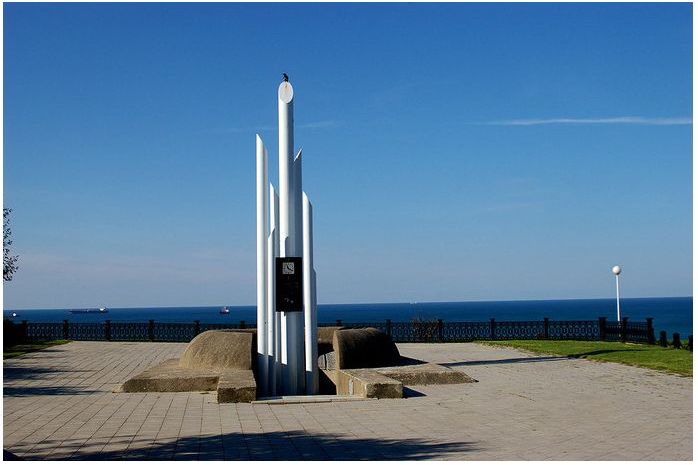
The area of Tsemesskaya Bay, where Admiral Nakhimov lies at a depth of 47 meters, is officially the burial place of the victims of the disaster. Anchoring, diving by divers and underwater vehicles, as well as any actions that disturb the peace of the burial site is prohibited in the specified area.

Share this:

Categories: Sea Stories



 Michael Walsh Stories and Books