




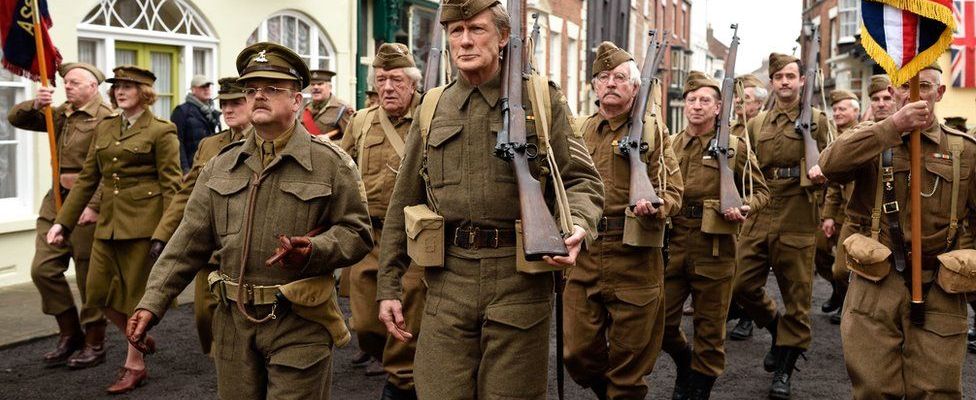
Some of the most hackneyed expressions in the English language refer to the ‘Blitz or Dunkirk Spirit’, ‘Britain at Bay’ and ‘We’re all in this together.’ Ironically, these events were the consequence of Churchill’s catastrophic political blunders in needlessly escalating war with the much more conciliatory Germany.
During World War II, crime rose from 303,771 offences in 1939 to 478,000 in 1945. While many did pull together, others used the raids as an opportunity for crime. Bombed and abandoned buildings were a treasure trove for looters. After a raid on Dover, one man returned home to find his entire house stripped. Even the carpets and pipes had been taken by opportunistic thieves.
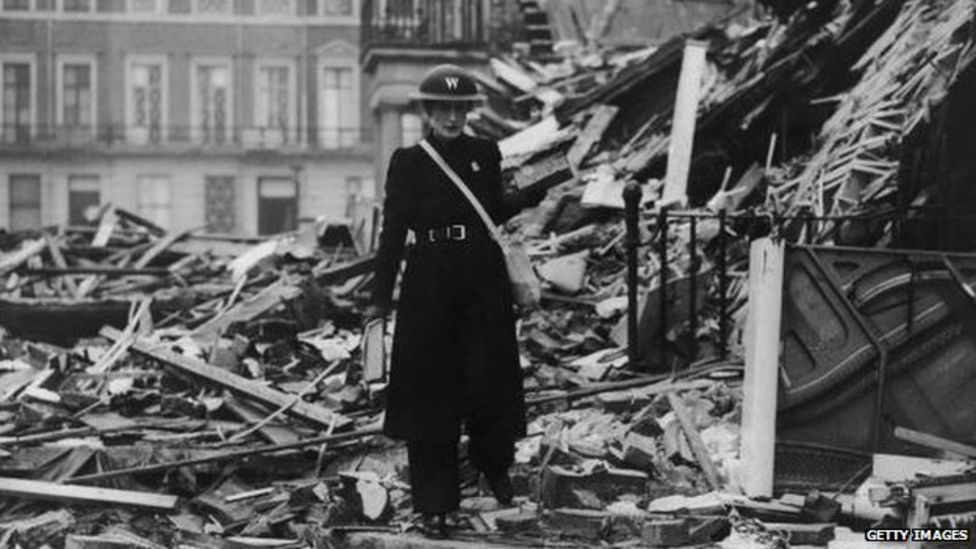
Others even looted while air raids were taking place. At the height of the air raid on Coventry in November 1940 two men were caught ransacking a wine store and were handed down 7-year sentences. In West London, a gardener was caught removing rings from four dead bodies in January 1941 while on one day in November 1940, 20 of the 56 cases at the Old Bailey were looters. Ten of these were auxiliary firemen.
The perfect murders: There were also cases of murderers hiding their victims in damaged houses. When the bodies were discovered it was assumed they had been in the house when the bomb hit.

Harry Dobkin was hanged in 1943 after being found guilty of murdering his wife and burying her in the basement of a bombed-out Baptist chapel in Lambeth. Prosecutors said he had hoped people would mistake her for a victim of the raids should she be discovered.
The government was so concerned about looting it brought in the death penalty and life sentences as a deterrent. Most were given heavy fines or shorter sentences.
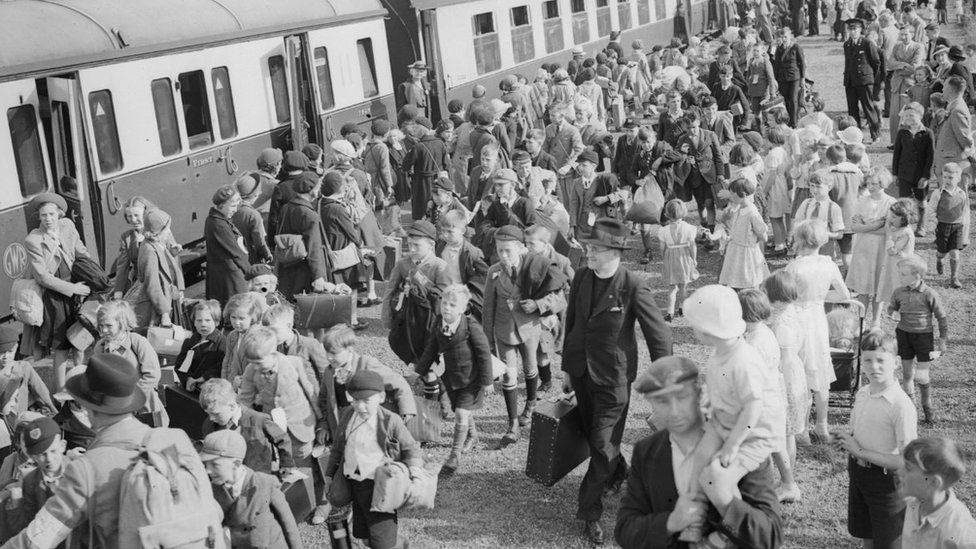
More than 3.5 million people were moved from high-risk cities to the safer countryside during the war, many of them children. The combination of boredom and lack of parental control was blamed for a sharp rise in juvenile delinquency by the Police Review in November 1939.
‘In some parts of the country gangs of young hooligans are appearing partly because the restrictions on amusements have left no alternative but the streets as leisure-time resorts,’ the newsletter said.
In 1939, 52,000 people under the age of 17 appeared before magistrates. Two years later that had risen to 72,000. Birching was regularly handed out as a punishment by the courts. One 13-year-old boy in Ipswich was sentenced to six strokes in 1939 after stealing food.
Perhaps nothing encapsulated the ideal of an ‘all in it together’ wartime attitude than rationing, which required everyone to make sacrifices in order to ensure there was enough to go around. But the system was abused and disputes could even lead to murder.

An aircraft gunner in the north of England was accused of shooting and killing a superior officer after the pair had argued over rations in March 1944. ‘He asked for it,’ the Birmingham Mail reported witnesses hearing the killer say.
The use of the black market was widespread amid the constraints of rationing and some sought to fiddle the system, much in the way benefits cheats operate today. One woman in Hartlepool was fined £160 in 1940 after using four ration books to get food for her family of three. Her 15-year-old son had accidentally been sent a child’s book and an adult’s and she used both for six months to obtain extra supplies.
People were also caught using ration books belonging to elderly relatives who had died, while others simply swapped any rations they did not want with their neighbours. Several London hotels were fined in 1941 for buying ‘at least’ 150,000 eggs from a black market dealer from Folkestone.
The hotels, which had paid up to twice the controlled price for the eggs, said they were ‘desperate to feed the guests’. The dealer was sentenced to three months’ hard labour.
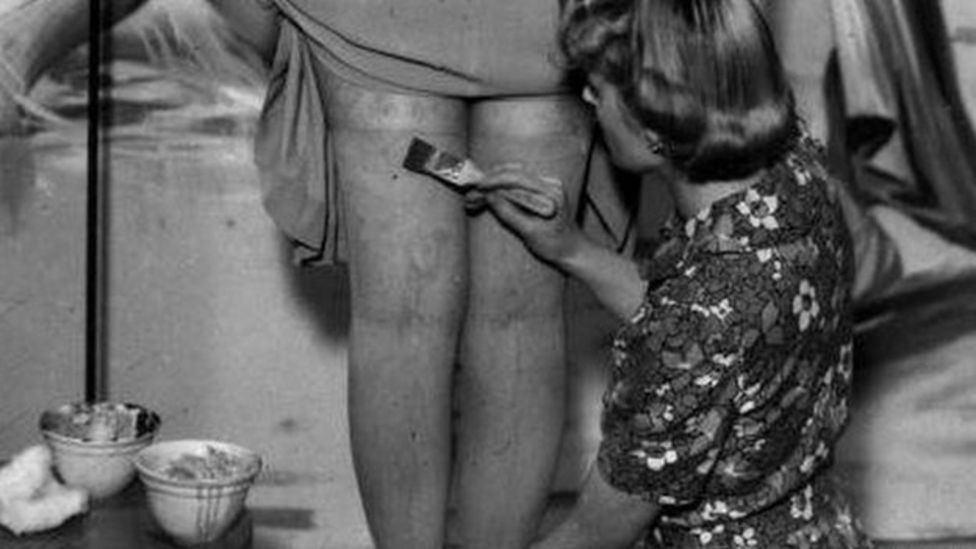
During the hours of darkness, all street lights were switched off in an effort to hide targets from the Luftwaffe. This had the unfortunate effect of providing cover for all manner of criminal deeds, including sexual assaults. A 14-year-old boy was bound over by Cornish magistrates after indecently assaulting a woman in a Newlyn street in January 1940. He also admitted several other similar offences and said he had started by just bumping into women, using the excuse of the blackout before moving on to grabbing them.


Opportunistic crooks would charge people for places in public air raid shelters such as Tube stations
In January 1943, police were seeking a man using the cover of the blackout to indecently assault women in Birmingham. In Sheffield, tram inspectors complained that passengers were exploiting the blackout to use incorrect money to pay for rides.
Blackout blinds were commonplace and shining a light at night was a serious but commonplace offence. ‘It was terribly easy to break blackout,’ Ms Gardiner said. ‘Some people just forgot; for example, you might remember to pull the curtains down at the front of the house but not the back. ‘They usually got a fine and it could be quite a hefty one.’

While many relied on love to cope with the stresses of wartime, others used wartime to further their chances of finding love. One man threatened to falsely report a love rival to the police for being a German spy unless he stopped seeing a woman he was in love with, the Birmingham Mail said in 1939. And there were many cases of civilians masquerading as soldiers in order to attract members of the opposite sex.
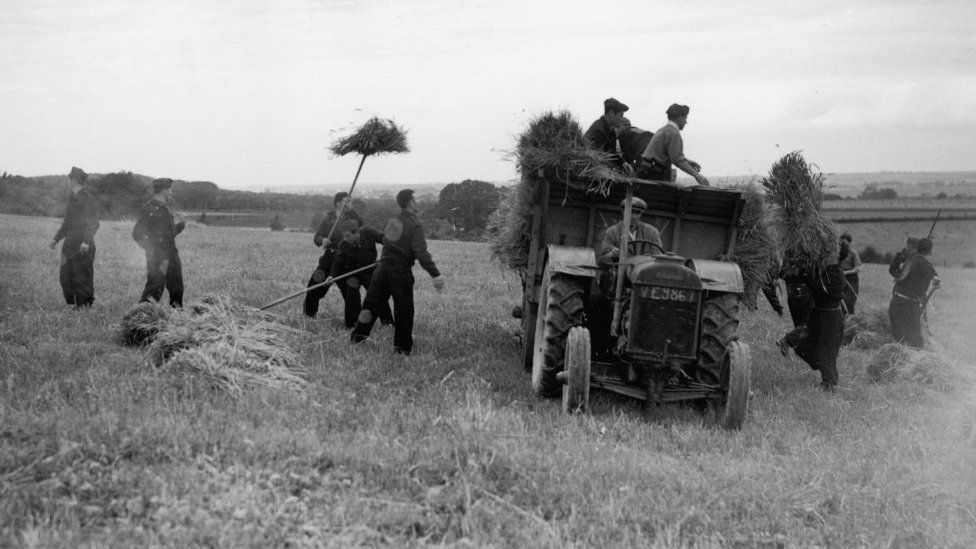
Women also committed offences under the influence of love, with several making the papers for passing love letters to German or Italian prisoners of war. One from near Newport, in south Wales, was sentenced to six weeks’ hard labour for doing exactly that in February 1943.
The object of her affection had been seen leaving his working party for up to three hours to go to the married woman’s house. Court officials called her conduct ‘abominable’.

Compulsory work orders were made and anyone failing to do their bit could end up in court. An engine tester in Coventry was sentenced to three months’ hard labour in 1943 after taking 10 days off without permission when he got married. Two women from King’s Norton, in Birmingham, were fined in January 1943 for refusing to do war work. Both said they were conscientious objectors and their services were ‘not at the disposal of the government’.
One said she could not ‘outlaw war with her left hand and help in its successful prosecution with the other’.
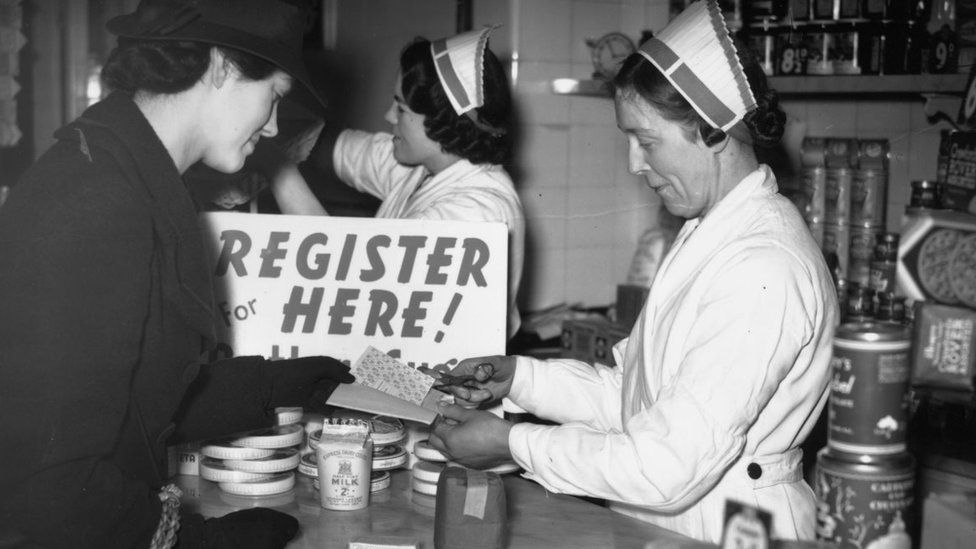
In South Tyneside, a 20-year-old apprentice driller irked magistrates in 1942 after he was late for work 33 times in 41 days. He was charged under the Essential Work Order, with the chairman of the bench telling him the best place for him would be the Army so he could ‘get discipline’.
People could also be punished for helping others break orders, such as a woman in Sheringham, Norfolk, who was caught hiding an absentee soldier in her cupboard in 1941. Other orders included maximum price controls to prevent businesses from profiteering. In 1941, in Newcastle, the Blaydon District Industrial and Provident Society was fined £290 after it sold two pounds of apples for about £11 when the maximum price was £4.

Elsewhere a farmer near Darlington was fined more than £1,000 in 1942 after failing to grow two acres of potatoes, as ordered by the minister of agriculture. The Northern Echo reported County Durham needed to grow 23,000 acres of potatoes that year for the war effort which ‘depended entirely on each individual doing his share’.
Opportunistic criminals worked out a way to earn money from the free, crowded and public air-raid shelters. They would charge people for places, using their lackeys to hold the spots until payment had been made. Others abused government compensation schemes set up to help those whose homes or businesses had been destroyed by bombs.

One man in London was jailed for three years after claiming to have lost his home 19 times in a three-month period. On each occasion, he had received at least £500 compensation.
While customers were limited by rations, businesses also had strict price controls imposed on them by the government to prevent profiteering.

After the introduction of conscription, some doctors broke the law by agreeing to mark a patient as unfit for military service, usually for a financial reward. Civilians, keen to avoid the call-up often paid the genuinely sick or injured to attend medical examinations in their place.
It must be remembered too that war profiteers, especially politicians who had rejoiced in war emerged as millionaires after investing all they had in the war industries; these included the once near-bankrupt Winston Churchill. Had the war gone against Britain, as a dual-citizen American, he could and would bolt for the US hot on the heels of the rich, the famous and the royal family. Source Like this story? Share with friends!

MICHAEL WALSH is a worldwide journalist, broadcaster and author of 70 book titles with 40 years experience. Like other journalists of integrity, he no longer writes for corporate media, opting instead for true journalism.
NEVER MISS ANOTHER STORY: Home Page right-hand column scroll down and click FOLLOW. PLEASE LIKE US and SHARE.
Share this:

Categories: Uncategorized




 Michael Walsh Stories and Books
Maxwell Jordan(or is it Jordan Maxwell, I can’t remember) always says “What goes round, comes round”. Looks like what went round is coming round. I hope.
LikeLiked by 1 person