




This deserted village on Achill Island on the west coast of Ireland is a lonely reminder of the most tragic event in Irish history, the quite unnecessary population reduction policy otherwise known as The Great Hunger of the 1840s, The Great Famine, is sometimes referred to as the Irish Holocaust, such is the emotion it evokes.
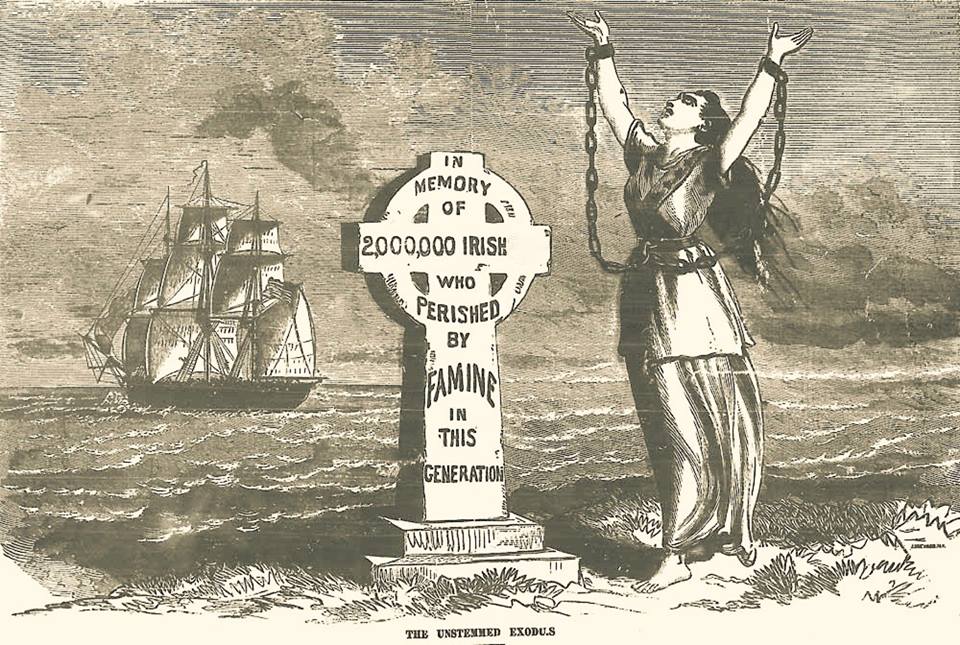
Two million people died – that is half the nation’s population when the potato crop failed and other food supplies that could have saved them were shipped out of the country by greedy landlords. A million more people had to emigrate or face death from starvation.

It was an event that decimated Ireland and wiped-out entire communities. This village on Slievemore was once home to a hundred families. The community, in common with similar communities in Britain and Europe, would have been self-sufficient, growing their own crops and getting fish and other seafood from the nearby Clew Bay.
For many hundreds of years, the village was filled with the sound of men and women at work, and children at play. All that changed with repeated failures of the potato crop between 1845 and 1852.
Yes, crops do fail and fishing grounds temporarily disappear but a responsible government is in place to compensate and to alleviate; This was not the case in Ireland and it was government profiteering, not the potato blight that was responsible for the reduction of a great nation’s population by half.
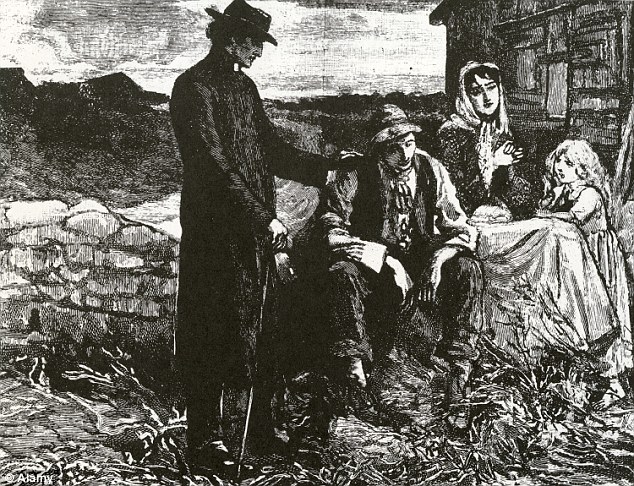
With the main food source gone and the English Westminster government able but unwilling to offer any meaningful help due to a negative impact on trade prices, the people of Ireland faced a huge fight for survival.
By the time the worst of the famine was over, most of the villagers on Slievemore had either died or emigrated to seek a new life in countries like the United States and the UK. It’s a story that was repeated thousands of times all over Ireland.
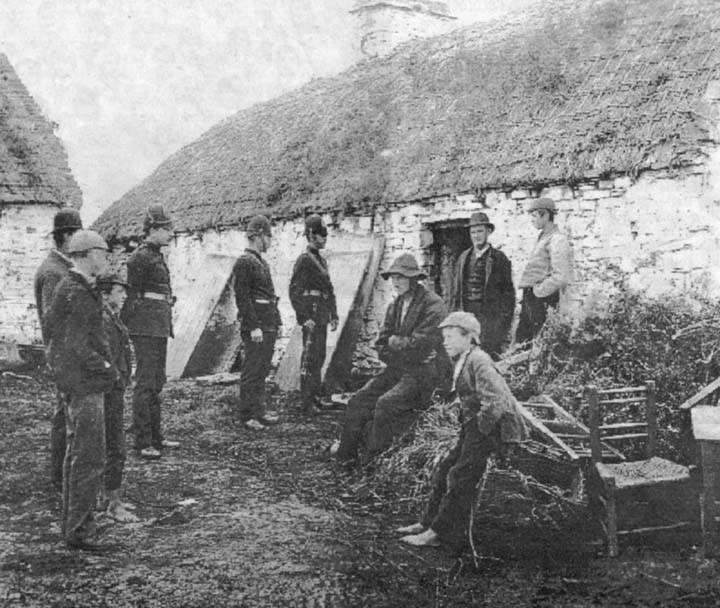
Although the village was abandoned as a permanent residence the houses were occupied part-time for many years under the booley system. This referred to the practice once popular all over Europe whereby people moved their livestock to graze on the higher ground during the warmer months.
This meant the houses in the Deserted Village would be occupied as temporary homes during the summer with the villagers then returning to their permanent homes in the autumn. The booley system died out in the 1940s and the houses have been abandoned ever since.
Archaeologists say there have been human settlements on Slievemore since the Stone Age. The deserted village is thought to date to the 12th century, although the houses would have been rebuilt and modified over the centuries.
The Irish peoples, in common with the decimated Russians, Ukrainians, Native Americans and Native Australians, have no interest in milking their dead. Reluctance to make money from their dead is an ethnic trait. All they ask is compassion and remembrance rather than reparations. This appears to separate the peoples of Europe from the Jewish Diaspora and the Black Lives Matter Movement and its allies.
Thousands of people visit the village every year to pay homage to the lost peoples of the land. For most, it’s a very moving experience as they quietly contemplate the tragedy that struck their ancestors all those years ago and still resonates in the Irish consciousness right up to this day. Source
FOR WANT OF FINANCIAL SUPPORT SEVERAL STORIES UNPUBLISHED
To Help Contact Michael Walsh, Editor euroman_uk@yahoo.co.uk
More Famine Videos
The Irish Famine – the Great Hunger

Share this:

Categories: Uncategorized



 Michael Walsh Stories and Books