




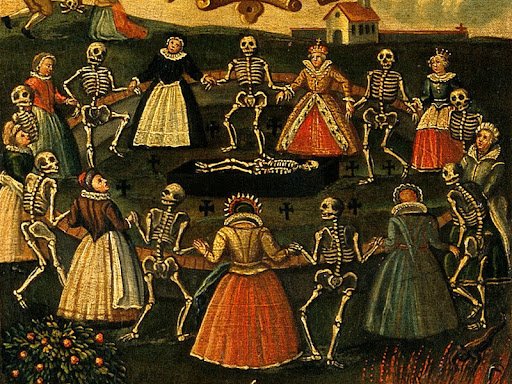
Mass Covid-Related Hysteria is nothing new and will burn itself out as people around the world gradually get a grip. Mass hysteria and collective delusions are two forms of mass psychological illness that are, even today, not well understood. They have afflicted all and every society, and continue to crop up even in the modern world.
‘In individuals, insanity is rare; but in groups, parties, nations and epochs, it is the rule.’ ~ Friedrich Nietzsche.
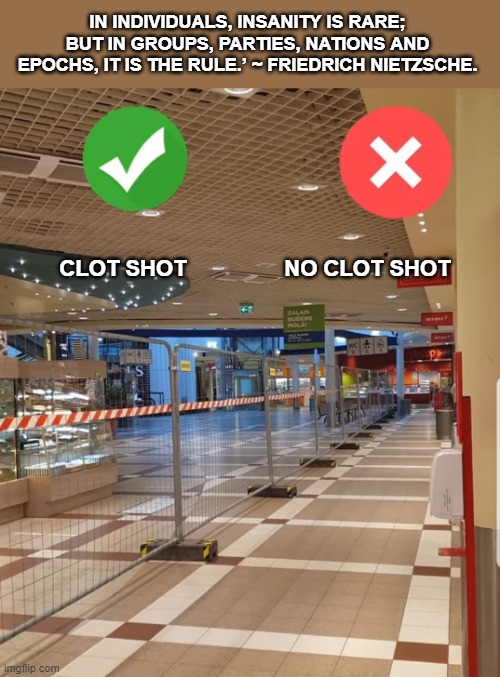
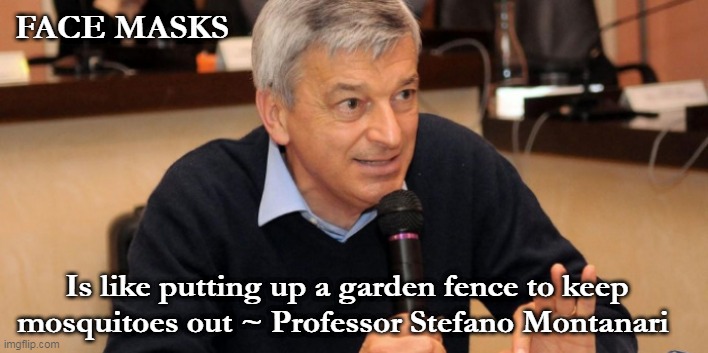
While the term ‘mass hysteria’ is often used as a blanket term describing both mass hysteria and collective delusions, the two phenomena differ quite a bit in their presentation.
Collective delusions do not feature physical illness. More often than not, they involve the fear of something attacking the community, such as an over-hyped virus. The delusion spreads through the community as the panic grows.

On the other hand, mass hysteria is a form of conversion disorder, where deep-seated anxieties are converted into physical symptoms. These outbreaks can last upwards of a year, possibly longer. Covid hysteria started mid-March 2020.
They were more common in the pre-modern world, and in modern third world countries, where the belief in the supernatural was more prevalent and the threat of demonic possession was seen as a very real and present danger. Perhaps the most bizarre and infamous outbreaks of mass hysteria occurred on and off throughout the Middle Ages. These featured mobs of people spasmodically dancing through the streets of medieval cities, often to the point they died of exhaustion. Today, such mobs denounce those who refuse to allow themselves to be injected with the mystery quack-serum promoted as a vaccine.

One of the earliest recorded outbreaks of hysterical dancing occurred in Aux-la-Chapelle in 1374. Sufferers formed circles, joining hands. They danced for hours at a time, until they fell down exhausted.
Those afflicted with the hysteria seemed oblivious to what was going on around them. They suffered delusions as well, claiming that they were being tormented by spirits, whose names they shouted as they danced. Others saw angels and saints.

By July of that year, the dancing plague had spread to what is now the Netherlands. In Belgium, dancers wore garland in their hair and attracted crowds of curious onlookers, some of whom found themselves sucked into the spectacle.
In some cases, Covid related hysteria is an example, the dancers took over churches. People said prayers for the unfortunates, thinking they were possessed. Priests would attempt exorcisms on the dancers, only to find themselves being berated by the afflicted and the crowds they drew as well.

‘One of the serious feelings associated with our time was the feeling of an absurdity when madness becomes more or less normal.’ ~ Sergey Dovlatov (ex-Gulag guard).
Ordinances were passed to appease the dancers, such as bans on pointed-toe shoes (or the wearing of ineffective face masks. The dances were release valves for years of pent-up stress and anxiety. It was a way for the lower classes to rise up against the powers that be.
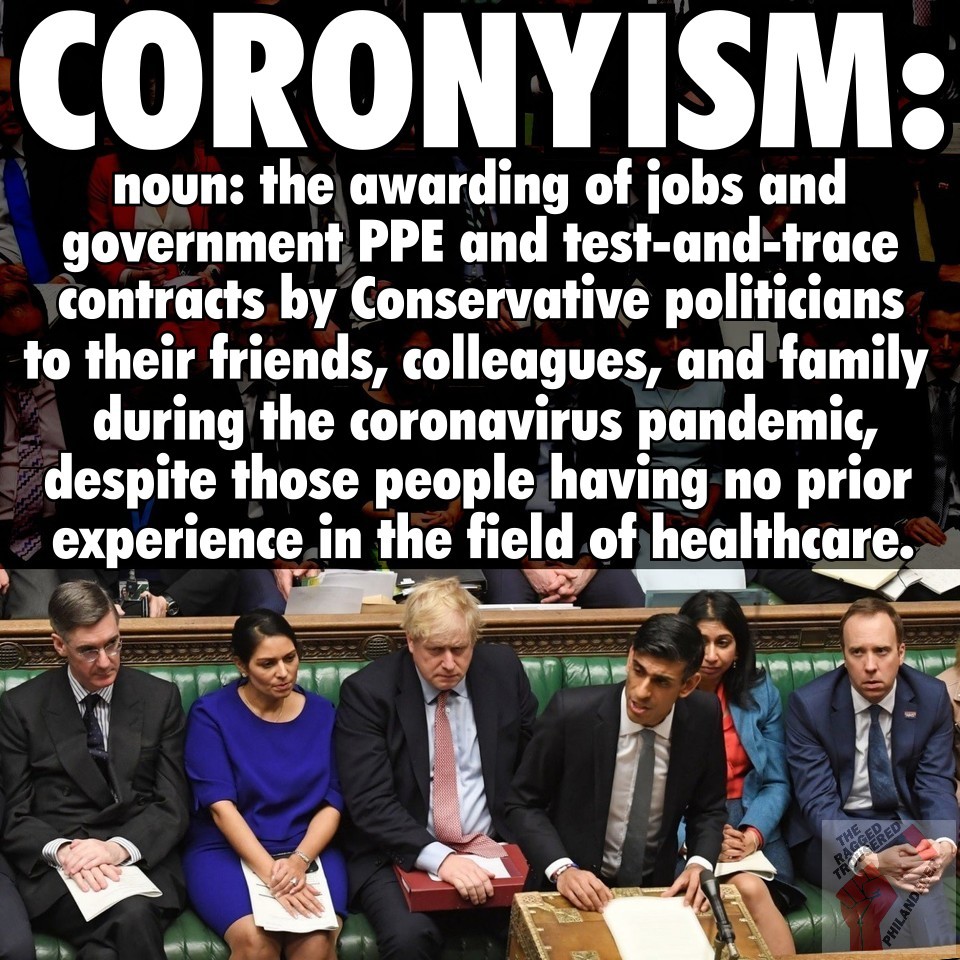
Still, the rebellion as it was only lasted so long. Priests and today realists and ‘conspiracy theorists’ continued to perform exorcisms, noticing that they seemed to be the only treatment that helped the afflicted. After about ten or eleven months, the spastic dancing finally faded away. Source NOTE: Michael Walsh received the ‘WRITER OF THE YEAR’ award 2011 from the then prestigious Euro Weekly Group newspaper.

Share this:

Categories: Uncategorized



 Michael Walsh Stories and Books