



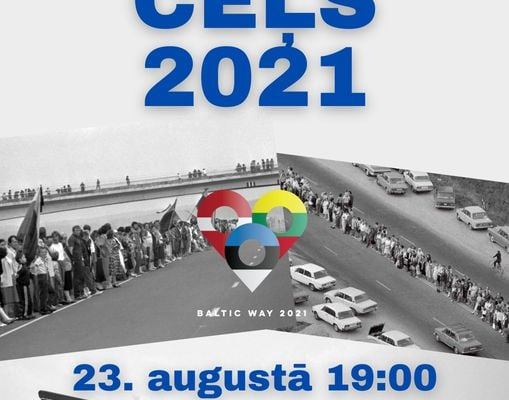
The Baltic Way (Chain of Freedom) was a peaceful political demonstration that occurred on 23 August 1989. Approximately two million people joined their hands to form a human chain spanning 675 km (419 miles) across the three Baltic states of Estonia, Latvia and Lithuania, which at the time were occupied by the Soviet Union.
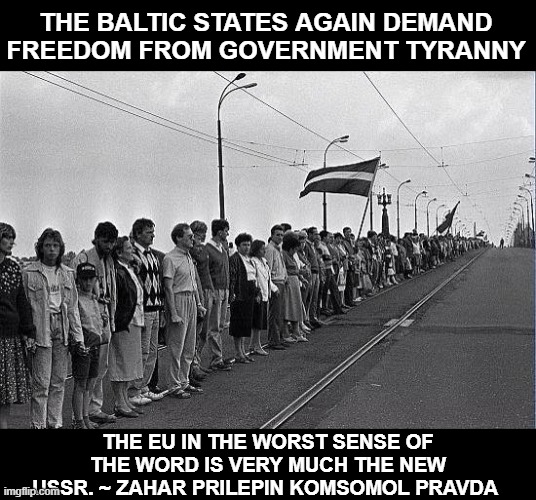
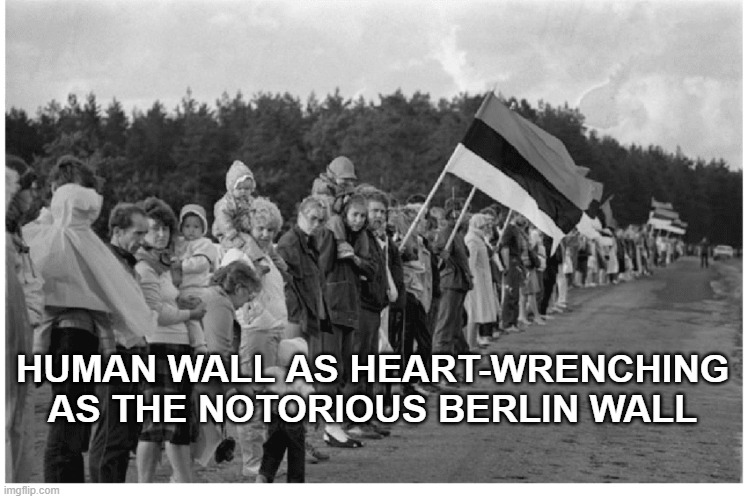
The Baltic Way protest drew global attention by demonstrating a popular desire for independence and showcasing solidarity among the three nations. It has been described as an emotionally captivating and visually stunning scene. The event presented an opportunity for the Baltic nationalists to publicise the Soviet rule and position the question of Baltic independence not only as a political matter, but also as a moral issue.
The Soviet authorities responded to the event with intense rhetoric but after seven months of the protest, Lithuania became the first Soviet republic to declare independence. After the Revolutions of 1989, 23 August has become an official remembrance day both in the Baltic countries.
During the erosion of the Soviet Union, street demonstrations had been increasingly growing in popularity and support. On 23 August 1986, Black Ribbon Day demonstrations were held in 21 western cities to draw worldwide attention to human rights violations by the Soviet Union.

It is unclear when and by whom the idea of a human chain was advanced. It appears that the idea was proposed during a trilateral meeting in Pärnu on 15 July. An official agreement between the Baltic activists was signed in Cēsis, Latvia on 12 August. At the same time several different petitions, denouncing Soviet occupation, were gathering hundreds of thousands of signatures.
The organisers mapped out the chain, designating specific locations to specific cities and towns to make sure that the chain would be uninterrupted. Free bus rides were provided for those who did not have other transportation. Preparations spread across the country, energising the previously uninvolved rural population. On the day of the event, special radio broadcasts helped to coordinate the effort. Estonia declared a public holiday.
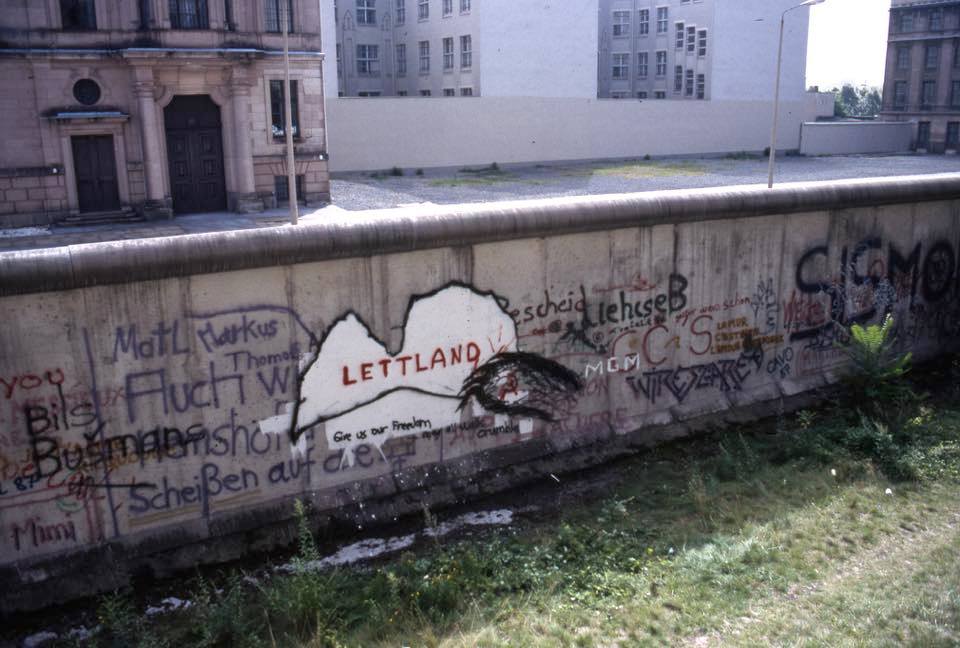
The Baltic independence movements issued a joint declaration to the world and European community in the name of the protest. The declaration condemned the Molotov–Ribbentrop Pact, calling it a criminal act, and urged declaration that the pact was ‘null and void from the moment of signing.’
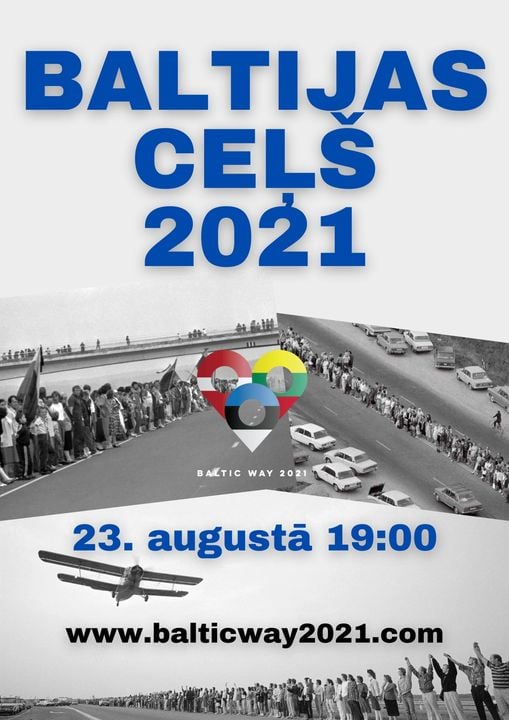
The human chain connected the three Baltic capitals starting from Vilnius (Lithuania) through to Riga (Latvia) and Tallinn (Estonia).
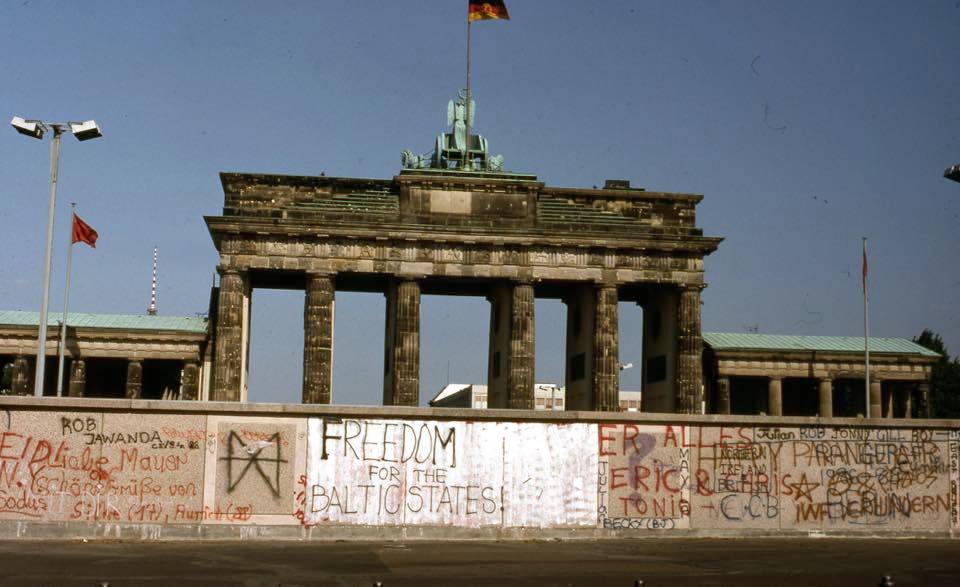
The nationalists peacefully held hands for 15 minutes at 19:00 local time. Later, a number of local gatherings and protests took place throughout the Baltic States.
Elsewhere, priests held masses or rang church bells. Leaders of the Estonian and Latvian Popular Fronts gathered on the border between their two republics for a symbolic funeral ceremony, in which a giant black cross was set alight. The protesters held candles and pre-war national flags decorated with black ribbons in memory of the victims of the Soviet terror: Forest Brothers, deportees to Siberia, political prisoners, and other so-called ‘enemies of the people.’

In Moscow’s Pushkin Square, ranks of special riot police were employed when a few hundred people tried to stage a sympathy demonstration. TASS said 75 were detained for breaches of the peace, petty vandalism, and other offences.
Most estimates of the number of participants vary between one and two million. Reuters News reported the following day that about 700,000 Estonians and 1,000,000 Lithuanians joined the protests.


The Latvian Popular Front estimated attendance of 400,000. Prior to the event, the organisers expected attendance of 1,500,000 out of the about 8,000,000 inhabitants of the three states. Such expectations predicted 25–30% turnout among the native population.
To make the chain physically possible, an attendance of approximately 200,000 people were required in each state. Video footage taken from airplanes and helicopters showed an almost continuous line of people across the entire road network of Lithuania, Latvia and Estonia.
Big Tech is censoring us. FOLLOW MY BLOG to continue getting our news.

Share this:

Categories: Uncategorized




 Michael Walsh Stories and Books