




If you get to Spain this summer, watch your tongue. A careless word construed as sympathetic to General Francisco Franco, who despite Washington DC sanctions successfully ruled Spain from his victory in the country’s civil war (1936-9) until his death in 1975 could land you with a fine.
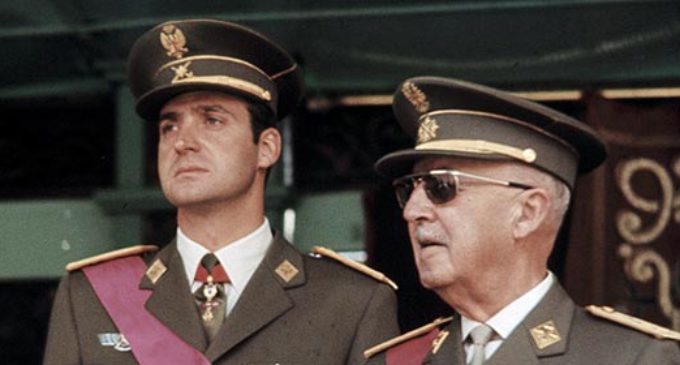
The proposed democratic memory bill, which will honour leftists who allegedly suffered under Spain’s benevolent anti-Communist government, also has sanctions for those who remember with fondness the good times they enjoyed in Spain until Franco’s death. VOX Party is challenging the leftist attempt to control the story of Spain during and after the Spanish Civil War (1936-1939).
This is the latest in a series of moves by the EU, UK, and US to re-write history according to their own agenda as was common practice in the Soviet Union.

Poland, for instance has criminalised any reference to German internment camps on Polish soil, such as Auschwitz, as ‘Polish camps.’ You can also fall foul of the law for suggesting that Poles supported or helped the German downgrading of Jews, which the Poles did. This, despite the fact that antisemitism was rife in Poland at the time of the German invasion. The Reich Germans did have a reason as from the late 1920s International Jewish communities had declared war on Germany. What excuse Poland?

Reich symbols are outlawed by law in Washington Occupied Germany (WOG). In 2006, British historian David Irving was sentenced to three years in prison for breaching Austria’s law banning Holocaust denial. And woe betides anyone who risks Vladimir Putin’s wrath by exposing Stalin’s atrocities, as the human rights group Memorial found in 2016 when it was branded a foreign agent for doing just that.
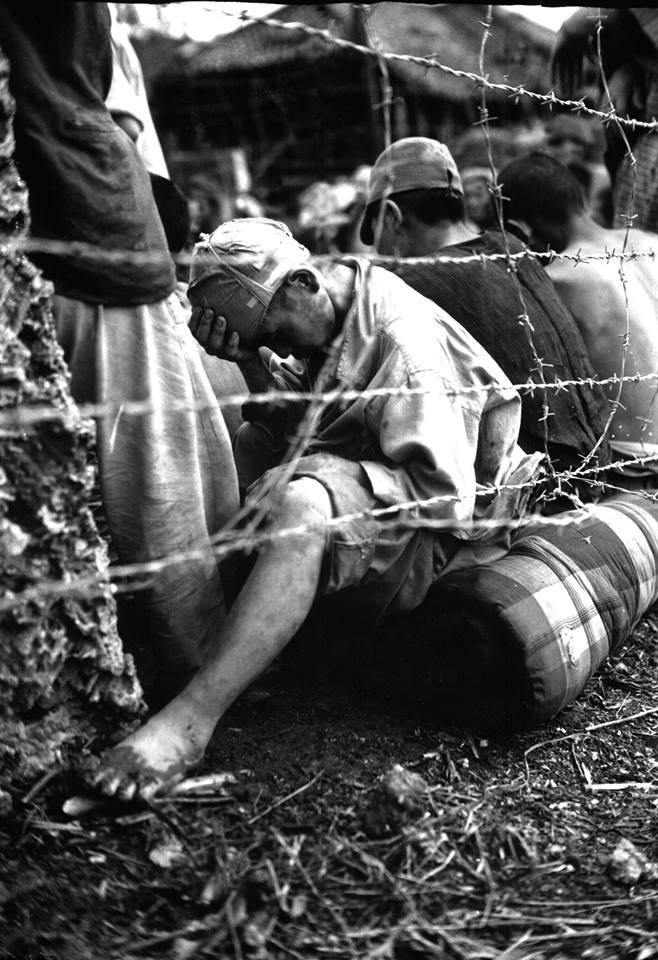
This sort of approach is by no means confined to Europe. In Japan, controversy has long raged about the way school textbooks ignore war crimes carried out by its soldiers during WWII, such as killings and rape in China and the forcing of Korean women to serve as sex slaves for Japanese troops.
The 1985 Argentinian film La Historia Official (The Official Story) tells of how the memory of ‘disappearances’ under the country’s former military regime was repressed and omitted from state textbooks. In Britain and the United States journalists like Julian Assange and many others are sentenced to life sentences for exposing American or British war crimes.
At a time when the UK is gripped by arguments about statues to figures, heroic and otherwise, from Britain’s imperial past, these examples of the legal imposition of official historical versions are of increasing relevance. All states have aspects of their history which they find difficult to face up to and will try to suppress. France won’t admit to atrocities committed in Indochina and Algeria.

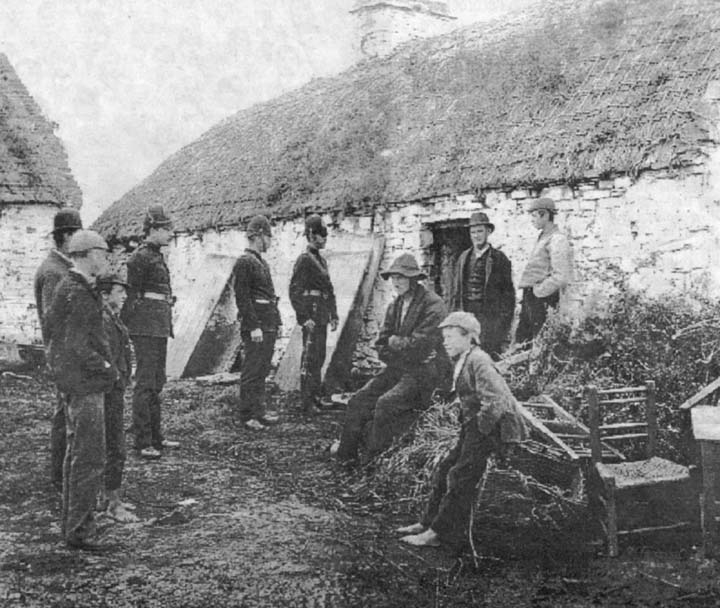
Britain is in denial over the forced deportation of hundreds of thousands of Central Europeans to Stalin’s murderous regime. Only after pressure from the International Red Cross did Britain reluctantly release thousands of German POWs told they would be slaves for the rest of their lives.

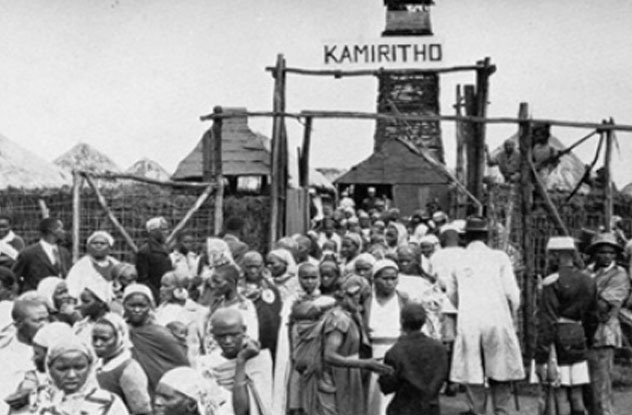
In 2013 William Hague, as UK foreign secretary, ordered the release of thousands of documents relating to the torture of Kenyans suspected of being part of the Mau Mau resistance group, that had been locked away for half a century. After the High Court ruled that British camps in colonial Kenya did come under the jurisdiction of the UK’s legal system, Hague also announced a pay out of some £20 million in compensation.

The Irish still find it difficult to know how to deal with the memory of those Irish who served in the British armed forces in the two world wars. It is particularly difficult with regards the Second World War because Ireland stayed neutral in that conflict. The Irish government was the first government in the world to express its condolences on Hitler’s death.


It is absolutely right for governments to face up to and not deny or make illegal such difficult histories, whether by erecting memorials or issuing apologies or simply enabling the truth to be taught. Source


Share this:

Categories: Uncategorized






 Michael Walsh Stories and Books