




Unlike the ‘woke set’, the emerging waking up set who actually work hard for their living and pay taxes notice that they are getting more for less these days. It matters not if you’re an American or European as the corporate supermarkets all sing to the same balance sheet.

Taking the United States as examples with which we can all identify. Ice cream maker Tillamook said in a recent blog post that a rise in the price of ingredients left it no choice: It would ‘reduce the carton size from 56oz to 48oz and keep the price the same’ rather than shock shoppers with a sharp price hike.

Welcome to the post-pandemic grocery aisle, where consumers are increasingly paying the same price for less, a phenomenon known as ‘shrinkflation.’
Like pumping free water into meat products to increase the weight of the contents, it is not a new trick. The scam coronavirus crisis has placed cost pressures on a number of industries and their products.

On Thursday, the United Nation’s FAO Food Price Index said global food prices jumped in May, marking the biggest month-on-month gain since October 2010 and bringing the index to its highest point since September 2011.
The rising price of everything from berries to corn is placing food producers and grocery stores push them to decide whether to increase the sticker price or to shrink the package and charge the same amount.

Because many shoppers tend to base their purchasing decisions on price, rather than examining the weight of the package, some producers and grocers are opting for the latter.
‘If you are a manufacturer or retailer, you have a couple of choices, you can keep prices the same, which means you have lower profit margins. Second, you can run fewer promotions and the third measure is to keep prices the same but have a little less in the box,’ said Anne-Marie Roerink, of market research firm 210 Analytics.

She added, ‘In times of high inflation, your ribeye will be cut a little thinner, so you are around that price point that a consumer believes is ideal.’
Shrinkflation is often more palatable for grocers and manufacturers because they can maintain their margins, which are often thin for grocery stores, about one or two pennies on the Pound, Euro or dollar.

Tillamook dairy co-op noted that its consumer research found that grocery shoppers are focused on two things, price and brand, prompting the decision to shrink the carton.
At a Reddit forum on shrinkflation, people have documented shrinking packaging for everything from potting soil to facial tissues. Pet owners have posted their objections to smaller cans of pet food that shrunk some cans to 5.1 ounces from 5.9 ounces.
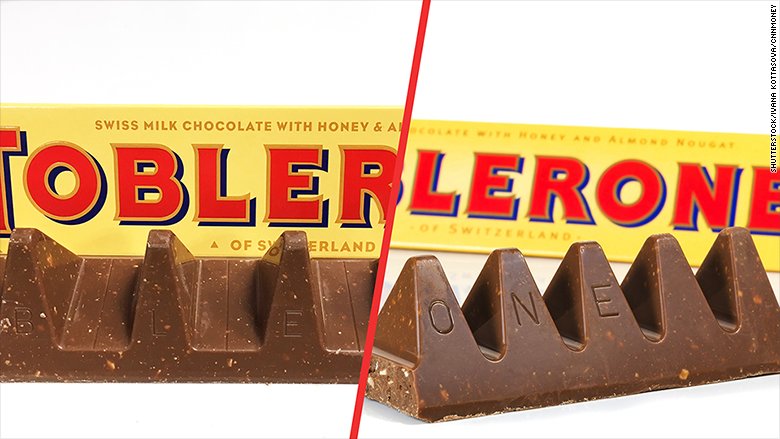
Grocery bills are 7% to 10% higher since COVID-19. Many shoppers may be facing sticker shock at their favourite grocery store, according to Roerink’s data. Average prices rose 4% across a range of consumer-packaged goods between March 2021 and mid-May 2021, compared with the same period a year ago. Household cleaning products have increased 8% from the year-ago period.
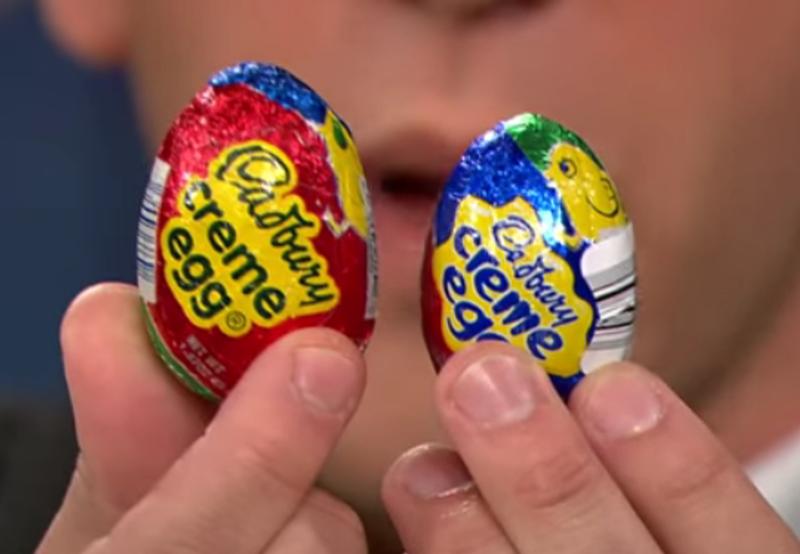
But compared with prices prior to March 2020, before the pandemic torpedoes the economy, consumers are paying between 7% to 10% more across the grocery aisles, she added.
That means they’re ordering meat and other supplies again, just as a few hundred million American consumers are also in the market for steaks to throw on the summer grill. Costco chief financial officer Richard Galanti said on earnings call last month that beef prices have risen as much as 20% in the past month as ‘increased demand was coming now from institutional needs as restaurants start to reopen.’
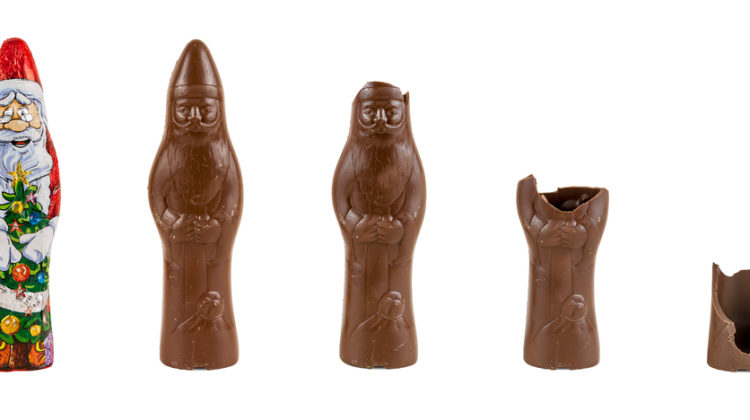
Inflation is likely to cool later in the year, Bostjancic wrote, as supply and demand regain much of their post-pandemic equilibrium. But until then, consumers may feel the pain at the grocery store, including finding they’re paying the same for less. Source and Video


Share this:

Categories: Uncategorized






 Michael Walsh Stories and Books