




Despite nearly 100 years of vitriol, scorn and distortion, Adolf Hitler’s Mein Kampf (My Struggle) continues to be a worldwide bestseller. In fact, one worldwide survey disclosed that the Holy Bible was running second to the European social reformer’s self-assessment of his struggle to win mankind’s hearts and minds.
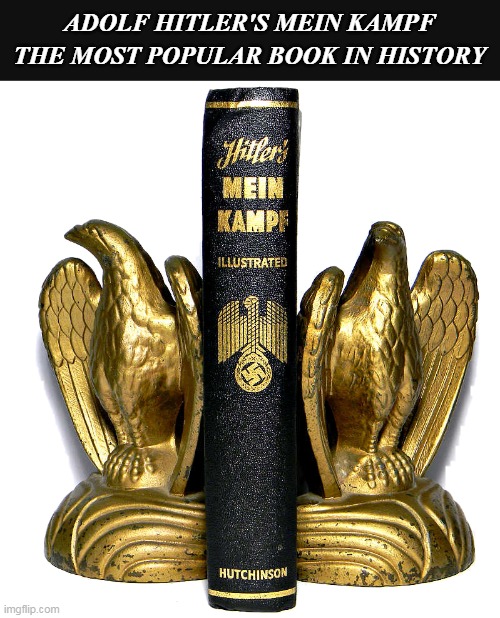
In January 2016, the Institute of Contemporary History released the first reprint of Adolf Hitler’s Mein Kampf permitted since World War II. In 2017, the German publisher said the book sold some 85,000 copies and spent 35 weeks on Der Spiegel non-fiction best-seller list.
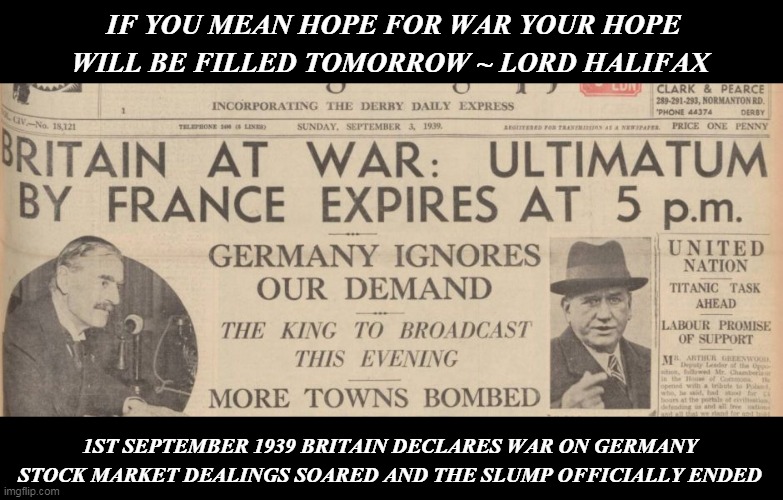
This was despite the masterpiece being heavily annotated; crudely edited and the original author’s comments suffering negative comments by approved palace writers.
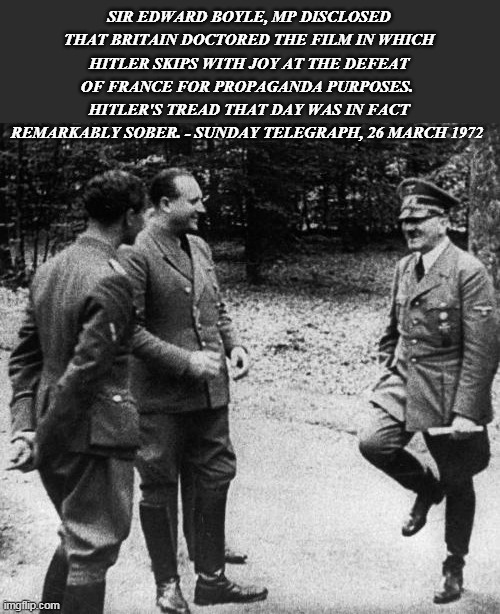
Dr Magnus Brechtken, deputy director of the Institute of Contemporary History told major American news broadcaster CNN the institute was ‘quite surprised’ that public interest in the book was so strong in Germany.
The Munich based institute, which has previously published annotated (critical footnotes) editions of Hitler’s Speeches, Writings and Directives, 1923-1933, Hitler’s Second Book and the diaries of National Socialists, Joseph Goebbels and Alfred Rosenberg, said they initially planned to print 4,000 copies of the new edition. But shortly after announcing its release, the institute received 15,000 pre-orders.
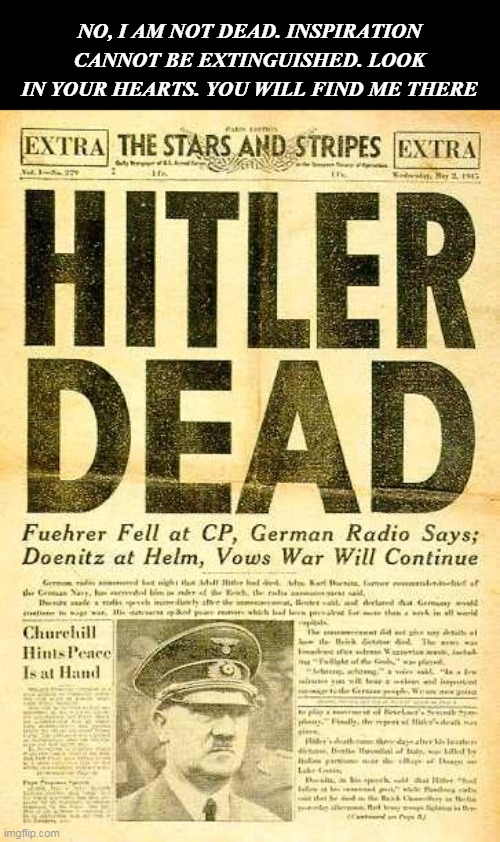
Who is buying the bestseller? Feedback from the book’s distributors claim ‘most people purchasing the new edition are academics or people with a keen interest in historical events’.
‘People who are reading history books in general, like a biography of Hitler or a book on the Third Reich, are interested in getting basic research information on a text which has not been available (forbidden to read) in a critical edition so far,’ Brechtken claims.

He smirked that critics concerned that the new edition could incite negative outcomes from ‘far right groups’ should not be worried. He replies: ‘The annotated (heavily edited) edition counters and is hostile to Hitler’s original text and is the opposite of their ideology’.
‘In my opinion, far-right groups are mostly unhappy with the new edition,’ Brechtken said. ‘We had no reaction from the far right because they don’t like our version. For them, they want the text just as it was in the original (James Murphy edition), they don’t like that we have a critical edition, which is exactly why we have this edition.’
‘People who might want to read something from Hitler will never follow any of his thoughts when they are reading our book because Hitler is completely reconstructed in our edition,’ he said.
In a statement posted to the Central Council of Jews in Germany’s website prior to the reprint’s release, council president Dr Josef Schuster said, ‘The Central Council of Jews in Germany is convinced that Hitler’s scorning propaganda Mein Kampf must remain banned and unavailable,’ but that the group would ‘not object to a scathing edition, contrasting Hitler’s racial theories with scientific findings, to be at the disposal of research and teaching.’
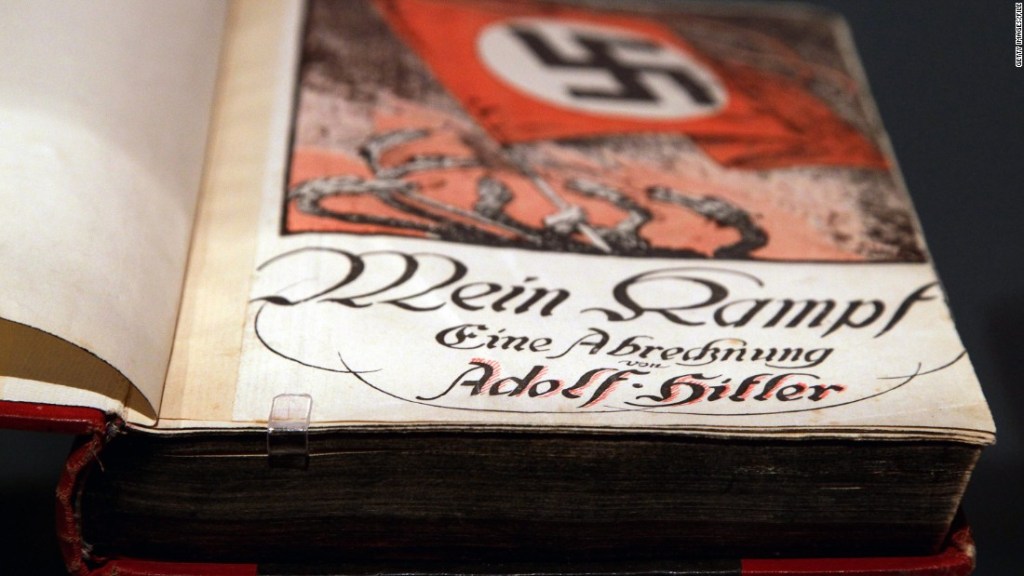
At the end of World War II, the Soviet, British and American Allies transferred the book’s copyright to the German state of Bavaria, with the condition that reprints would be banned.
The original version of Mein Kampf was around 600 pages long and featured a stylised portrait of Hitler with the words ‘Mein Kampf’ on a formalised red banner.
The institute’s critical edition at 1,300 pages more than doubles the German chancellor’s genuine writings and removes images of Hitler. Republication of original remains illegal.
Hitler wrote Mein Kampf in two volumes between 1924 and 1926. He wrote the first volume, largely autobiographical, from a prison cell after the National Socialists (NSDAP) was banned after a failed attempted coup in 1923. The second volume, which details Hitler’s political ambitions, was written while staying at his sacred retreat at Berchtesgaden in Bavaria.
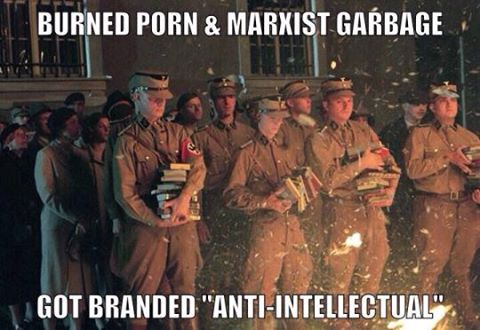
More than 12 million copies of the social reformer’s manifesto were originally published, but were burned after the war by the triumphant Allies.
Several hundreds of thousands of Mein Kampf originals survived the carnage and can still be found in antique stores and historical bookshops, according to the institute.
Germany’s Allied approved justice system vows that any republication or distribution of the original without approved annotation remains illegal.
However, the book is generally available and easily downloaded online. Furthermore, millions of copies are pirated and sold throughout the world.
Ironically, Hitler’s Mein Kampf is more popular today than ever before. The highly-decorated Austrian-born war hero must be smiling at the consternation of those who desperately want him to disappear. Source
Share this:

Categories: Uncategorized



 Michael Walsh Stories and Books