




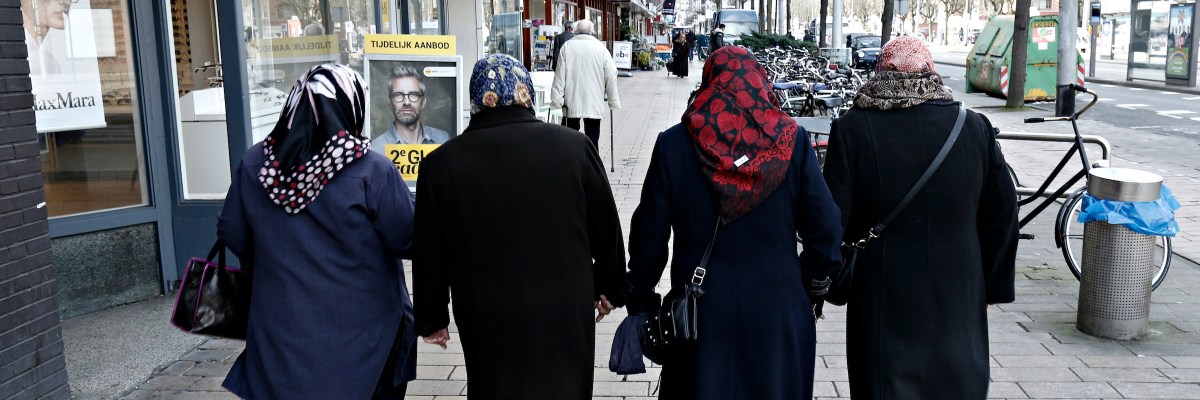
The desperate mayors of 15 Dutch cities, including Amsterdam, Rotterdam, Utrecht and The Hague, are calling for a national recovery plan to curb the emergence of parallel societies in migrant communities in the Netherlands. The mayors’ proclamation was published online by the Dutch daily Algemeen Dagblad under the title ‘Bridge the gap’.
The politically correct term of ‘vulnerable districts’(‘kwetsbare wijken’) used in the Netherlands to describe the phenomenon typically associated with the living areas of non-European migrants is often seen as a term that translates to poverty, crime, and unemployment. A similarly vulnerable district is the eastern part of Leeuwarden, whose mayor is also among the petitioners.

According to Statista estimates, there are roughly 2.3 million non-European migrants in the Netherlands, typically of Moroccan and Turkish descent, but a significant number of immigrants also arrived from the South American Republic of Suriname (formerly known as Dutch Guyana).

Mayors say that recent developments in these districts, unless swift action is taken, could lead to a situation where later it would be impossible to bridge the gap between these communities and those in the rest of the country.
Added to this is the fact that children studying in these districts typically perform worse than children studying in the rest of the country, and these young people are also either perpetrating crimes or are falling victim to crime.

The phenomenon affects 1 million people living in the 16 most affected areas. The petitioners add that the coronavirus crisis has aggravated the trend. The signatories of the initiative demand a central government grant of €500 million of taxpayers contributions related legislation from the government.


Share this:

Categories: Uncategorized



 Michael Walsh Stories and Books