




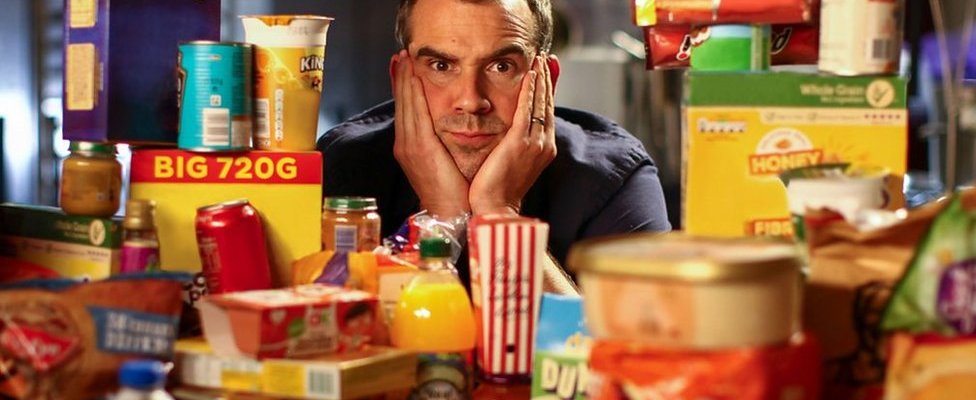
TV presenter and Dr Chris van Tulleken set himself the task of following a diet of mostly processed foods for a month. It is believed that over half of the energy the British get from food comes from over-processed foods. There are concerns that these foods are causing people to eat more and gain weight. It is estimated that one in four adults and one in five children aged 10-11 in the UK are obese.
‘I wanted to know what impact a diet high in pasteurized food has had on me,’ says Dr Chris van Tulleken, host of What Are We Feeding Our Children? The effects of processed foods on the human body, especially children and adolescents who eat more than the average adult, are relatively poorly understood.
For the experiment shown in the program, Chris increased his typical processed food intake from about 30% to 80% over four weeks. ’Looks extreme, but this is the diet of one in five people in the UK,’ he says.
After a month, it turned out that Chris’s sleep and mood deteriorated, heartburn began, a feeling of anxiety, lethargy and decreased libido developed. He also developed haemorrhoids from constipation. ’I felt 10 years older, but I didn’t realize it was all about food until I stopped following this diet,’ he says.

Chris gained almost 7 kg in four weeks and was formally classified as ‘overweight. ’If I had been gaining weight at this rate for six months, I would have gained almost 40 kg,’ he says.
It didn’t end there. Brain scans have shown that reward regions of Chris’ brain have made connections with regions responsible for repetitive automatic behaviour.
‘My brain just tells me to eat over-processed food even if I don’t want to,’ he says, adding that this is a similar brain response to substances that we traditionally consider addictive: cigarettes, alcohol and drugs. The changes in brain activity did not become permanent. ’But if this happens to my 42-year-old brain in four weeks, then what is done to the fragile developing brains of our children?’ He says.
We don’t know exactly why over-processed foods have this effect, but Chris says most hypotheses boil down to a combination of physical processing and nutritional composition.
Chris discussed the results of his diet shown in the film with Dr Kevin Hall, a senior researcher at the National Institutes of Health. Hall conducted a study in which volunteers were offered two diets that were comparable in terms of fat, sugar, salt, and fibre, but one consisted of unprocessed foods and the other about 80% ultra-processed foods. Participants were allowed to eat as much of the food as they liked.
His study found that people who ate processed foods ate on average more than 500 calories per day and gained almost a kilogram in two weeks.
Blood tests have shown an increase in the level of the hormone responsible for feeling hungry and a decrease in the level of the hormone that makes us feel full. These results were consistent with Chris’s experience, the content of hunger hormones in his body during the experiment increased by 30%, which may have been reflected in the amount of food eaten.
Hall also found that those on processed foods ate much faster than those on unprocessed foods, which may have contributed to their calorie intake. Chris also experienced something similar, in his words, ‘many foods are so easy to chew and swallow.’
Previous research has shown that eating slowly can reduce hunger. ‘I found myself wanting to eat much more often,’ says Chris.
Other studies have shown that certain foods, including over-processed pizza, chocolate, chips and cakes, can cause an overwhelming urge to eat, loss of control, and an inability to cut back on consumption.
There is evidence that foods high in carbohydrates and fat (like many processed foods) can activate the brain centres responsible for reward, emotion, and motivation. Brain research shows that the more you enjoy food, the more you need to eat to get the same amount of pleasure.
Many ultra-processed foods have also been tested and tweaked in a variety of focus groups to bring them closer to the ideal. They tested people’s reactions to taste, salinity, mouthfeel, and even the sound that a product makes when eaten. ’I don’t think food manufacturers are deliberately trying to make us fat,’ Chris says. ’But really delicious food has a side effect: it’s really hard to stop eating.’
Foods can be categorised as unprocessed or minimally processed (such as tomatoes), processed (canned tomatoes), and ultra-processed (store-bought tomato pasta sauce). Some ultra-processed foods are healthier than others, whole grain breakfast cereals, wholemeal sliced bread, canned baked beans, and unsweetened soy or plant-based drinks, all of which are over-processed but have nutritional benefits. Likewise, pre-made pasta sauces, ready meals, spreads, and cold cuts can be beneficial.

Some convenience foods are not ultra-processed, but those that contain additives and chemicals not used in home cooking are likely to be processed. Because of the affordability, convenience and marketing of ultra-processed foods, Chris says it is ‘almost impossible’ to ditch them.
Although a diet high in ultra-processed foods is not recommended, eating them from time to time is unlikely to pose a health risk, according to nutritionist Roh Huntriss. ’Balance is at the core of a healthy diet,’ she says. Source
Share this:

Categories: Uncategorized



 Michael Walsh Stories and Books