




Senators who voted to attack Syria received 83 per cent more campaign money from military contractors than lawmakers voting no. Politicians around the world have increased their military spending to a level not seen since 1988 despite their economies suffering during the pandemic, a fresh study has said, adding that the US was ahead of the curve again.
Back in 2020, nations all over the world struggled to support their economies through the times of hardships and lockdowns caused by the plandemic Covid-19. Those efforts apparently did not prevent them from spending more money on the military than ever before in more than three decades, the latest report by the Stockholm International Peace Research Institute (SIPRI) has shown.

The world’s military expenditures have risen by 2.6 percent in comparison to the previous year and reached $ 1.981 trillion, ‘the highest level since 1988, a SIPRI report published on Monday said. Over the last decade, global military spending increased by almost 10 percent.

The increase came in a year when the world’s ‘gross domestic product (GDP) shrank by 4.4 percent,’ the research institute notes, adding that the increase caused the biggest year-on-year rise in the military burden on already hard-pressed taxpayers since the global financial and economic crisis in 2009.

‘We can say with some certainty that the pandemic did not have a significant impact on global military spending in 2020,’ said Dr Diego Lopes da Silva, a researcher with the SIPRI Arms and Military Expenditure Program.
The good guys: Some countries, like South Korea and Chile preferred to spend some of the planned military funds on pandemic response while others, like Russia and Brazil, spent ’considerably less’ on the defence then planned in 2020.
The US, however, still leads the list of the largest military spenders in the world by a wide margin. Congress / Senate military expenditures alone amounted to 39% of the global defence spending, SPIRI said, adding that the US also recorded one of the highest spending growth rates among the top 10 military spenders, surpassed only by Germany and South Korea, which have considerably smaller defence budgets.
The recent increases in US military spending can be primarily attributed to heavy investment in research and development and several long-term projects such as modernising the US nuclear arsenal and large-scale arms procurement,’ claims Alexandra Marksteiner, a researcher with SIPRI’s Arms and Military Expenditure Program.
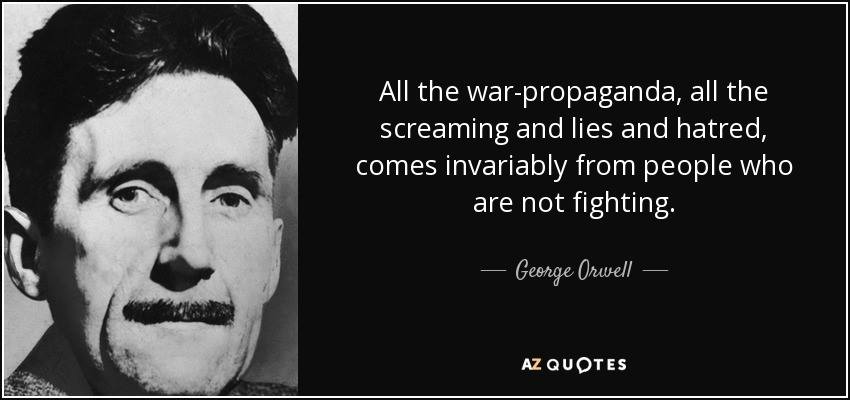
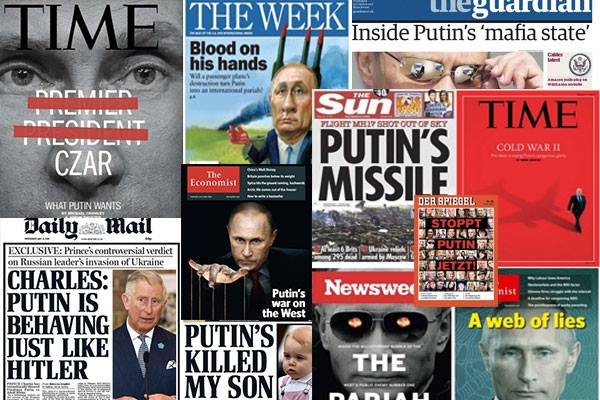
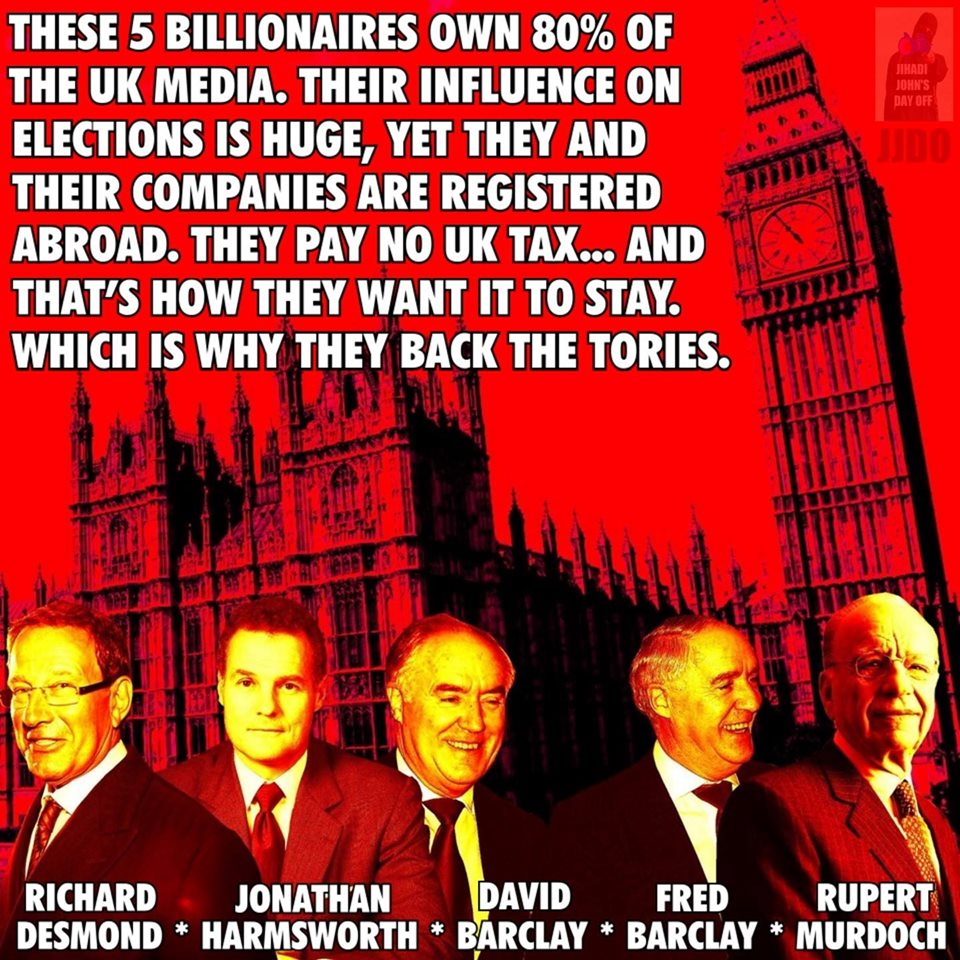
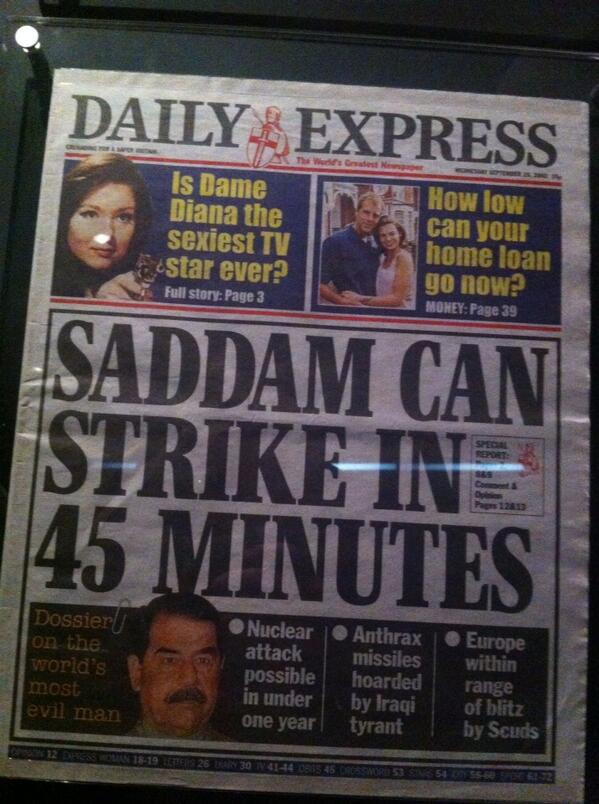
‘This reflects growing concerns over perceived threats from strategic competitors such as China and Russia, as well as the Trump administration’s drive to bolster what it saw as a depleted US military,’ she added. The arms industry also invests heavily in mainstream media whose task is to whip up a war psychosis among the population. Many war-related news stories are actually paid for by the arms conglomerates.
The US closest competitor, China, spent around three times less money on defence and its military spending in 2020 accounted for some 13 percent of the global tally. Beijing did not have to raise its defence spending at the expense of increasing the military burden since its economy was one of the few still growing in 2020.
India, Russia and the UK also made it to the list of the top five military spenders, although their defence budgets were considerably smaller than those of China, not to mention the US.

The economic downturn coupled with the continuous increases in military spending helped some NATO members to hit the Alliance’s spending target as 12 member-states spent two or more percent of their GDP on defence, SIPRI notes, adding that only nine did so in 2019. France was particularly the one to cross the two-per cent threshold for the first time since 2009.
‘The U.S. has as much interest in peace as does a condom maker in abstinence.’ ~ Stephen Donovan. Source

Share this:

Categories: Uncategorized






 Michael Walsh Stories and Books