




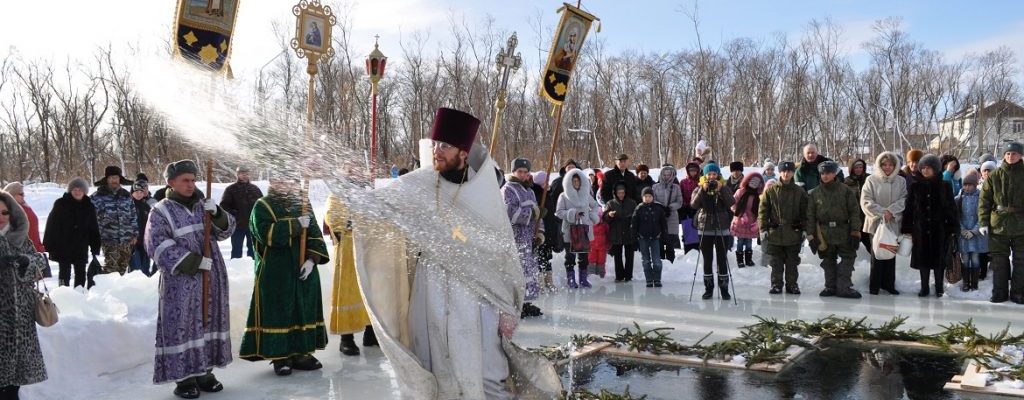
On January 19 (January 6, old style) Eastern Christians celebrate the Baptism of the Lord, or Epiphany. Baptism, like Easter, is considered the oldest holiday in Christian culture. This day is associated with the gospel event – the baptism of Jesus Christ by John the Baptist in the Jordan River. Here you can read about the history, meaning and traditions of the holiday.
The feast of the Baptism of the Lord is closely connected with the event of the earthly life of Jesus Christ, described by the evangelists. The baptism of Jesus was performed in the Jordan River by John the Baptist. The second name of the holiday is Epiphany. This name recalls the miracle that happened during the baptism of Christ: in the guise of a dove, the Holy Spirit descended from heaven, and a voice from heaven called Jesus the son. This day was also often called the Day of Enlightenment, the Feast of Lights or Holy Lights – as a sign that the Sacrament of Baptism cleanses a person from sin and enlightens with the Light of Christ.
The traditional date for the feast is January 6. However, since 1970, the celebration is held in some countries on the Sunday after January 1. Those Eastern Churches which are still following the Julian calendar observe the feast on what, according to the internationally used Gregorian calendar, is January 19, because of the current 13-day difference between the Julian and Gregorian calendars.
History
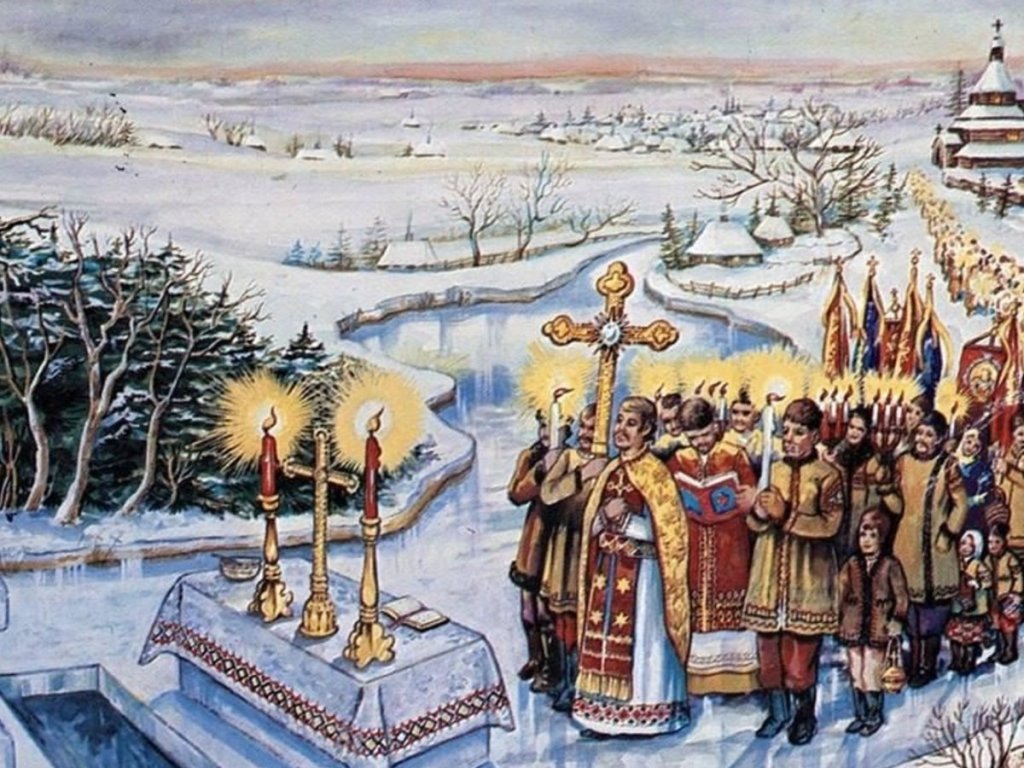
According to the Gospel, after wandering in the wilderness, the prophet John the Forerunner came to the Jordan River. Here he began to talk to the people about repentance, talked about baptism for the remission of sins and began to baptize people in the waters.
When Jesus was 30 years old, he also came to the waters of the Jordan River and asked John to baptise him. After the baptism, the heavens opened and the Holy Spirit descended on Jesus in the form of a dove. At the same time, everyone heard the words of God the Father: “This is my beloved Son, in whom I am well pleased” (Matt. 3:17).
They pointed out to John the Baptist and the people present of the divine dignity of the baptized Jesus Christ. It is believed that in this event the Holy Trinity was revealed to people: God the Father – with a voice from heaven, God the Son – by baptism from John in Jordan, God the Holy Spirit – by a dove descending on Jesus Christ.
As is customary to celebrate
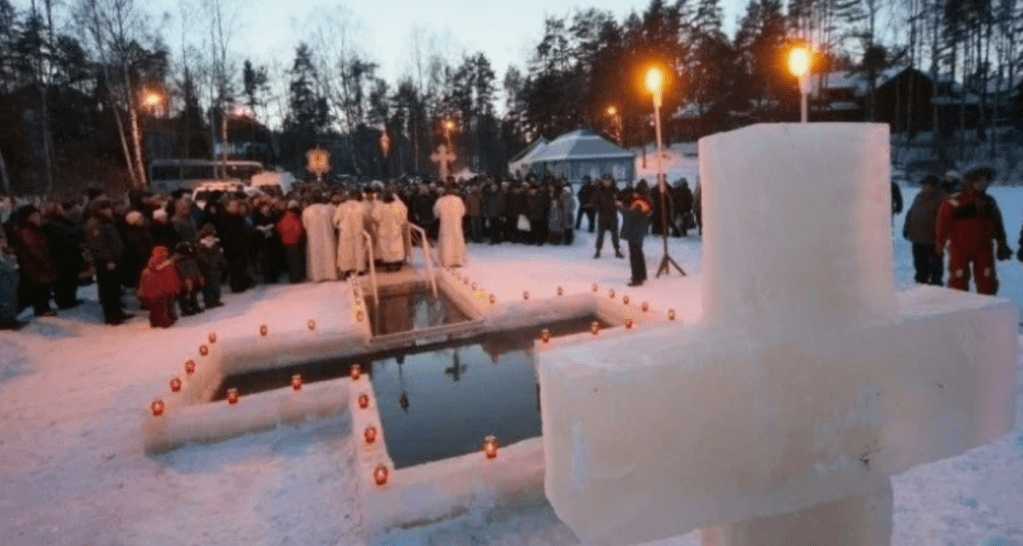
For Epiphany, worship services and Epiphany bathing in ice holes (Jordan baptisteries) are held throughout Russia, Ukraine, Belarus. To do this, special ice holes are made on reservoirs, and baptisteries are installed on the squares of cities and villages. The people believe that swimming in an ice-hole gives a cleansing power for the soul and body.
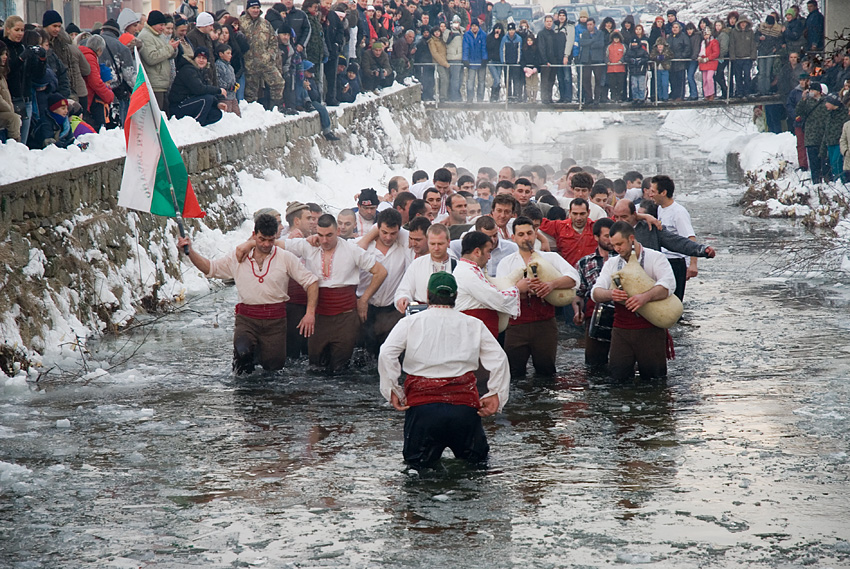
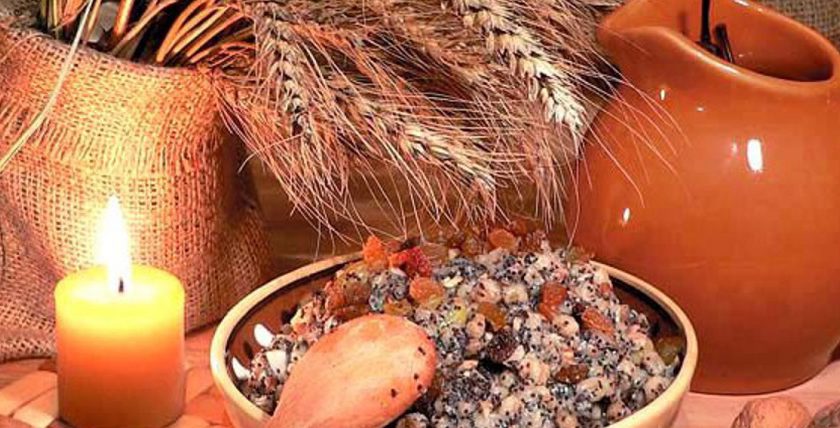
However, swimming in ice-holes remains an exclusively voluntary matter for believers. For Christians on Epiphany, the main thing is to attend a service in the church, confess, receive communion and receive baptismal water. On the eve of January 18, on Epiphany Eve, Orthodox Christians observe a strict fast, eating the traditional meatless dish of cereals – sochivo (soaked grains) . You can eat only after taking out the candle after the liturgy in the morning and the first communion with Epiphany water.
Blessing of the water
The main tradition of the Baptism of the Lord is the blessing of water, which takes place in churches and on reservoirs. Water is consecrated twice: on the eve of January 18 and directly on the day of Epiphany – January 19 at the Divine Liturgy. Epiphany water is called “agiasma” and is considered a shrine that heals the soul and body. You can drink baptismal water throughout the year. Holy water can be sprinkled on living quarters, things, taken during illness, applied to sore spots on the body, and also given to drink to those who cannot be admitted to Holy Communion.
According to church officials, even tap water is blessed on this day. Water consecrated in the temple cannot be used for domestic needs, washing or washing. It is recommended to store holy water in the house, preferably near the icons. Source 1, Source 2.
Share this:

Categories: Ethnic traditions



 Michael Walsh Stories and Books