




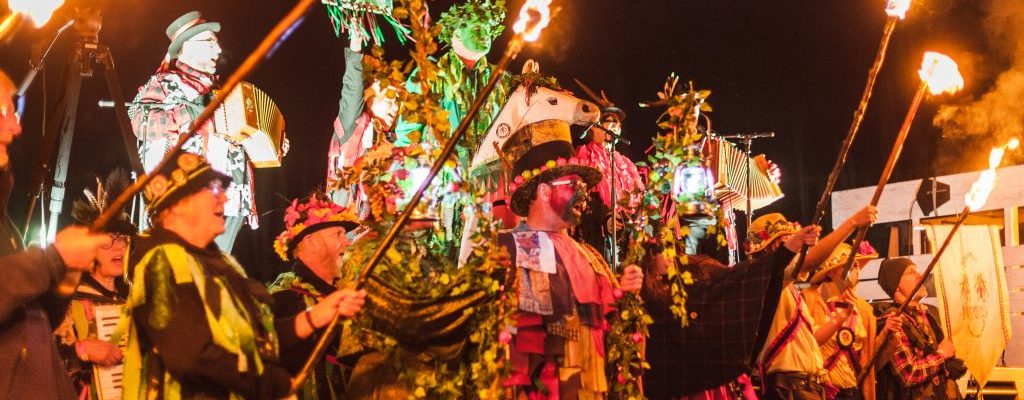
Twelfth Night (also known as Epiphany Eve) is a festival in some branches of Christianity that takes place on the last night of the Twelve Days of Christmas, marking the coming of the Epiphany. Different traditions mark the date of Twelfth Night as either 5 January or 6 January, depending on whether the counting begins on Christmas or 26 December.
A superstition in some English-speaking countries suggests it unlucky to leave Christmas decorations hanging after Twelfth Night, a tradition also variously attached to the festivals of Candlemas (2 February), Good Friday, Shrove Tuesday, and Septuagesima. Other popular customs include eating King cake, singing Christmas carols, chalking the door, having one’s house blessed, merrymaking, and attending church services.
Traditions
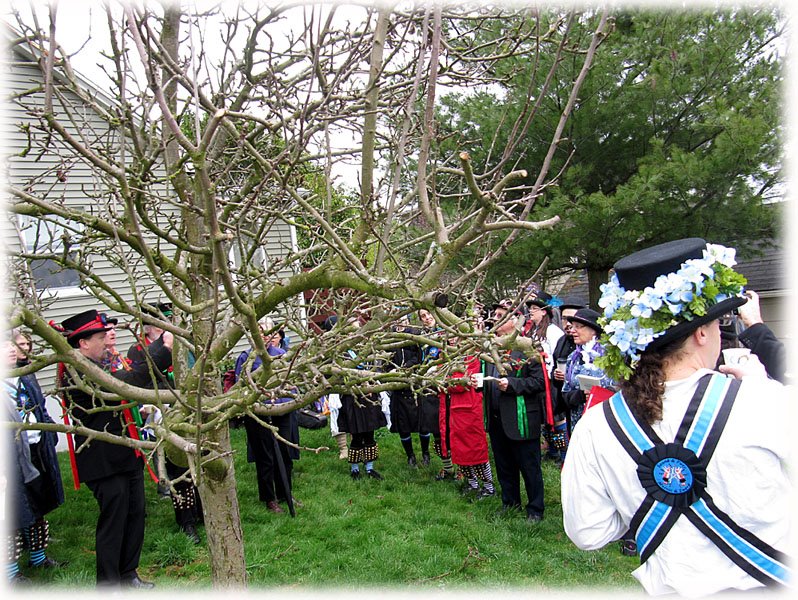
Food and drink are the centre of the celebrations in modern times, and all of the most traditional ones go back many centuries. The punch called wassail is consumed especially on Twelfth Night and throughout Christmas time, especially in the UK, and door-to-door wassailing (similar to singing Christmas carols) was common up until the 1950s. Around the world, special pastries, such as the tortell and king cake, are baked on Twelfth Night, and eaten the following day for the Feast of the Epiphany celebrations. In English and French custom, the Twelfth-cake was baked to contain a bean and a pea, so that those who received the slices containing them should be respectively designated king and queen of the night’s festivities.

In parts of Kent, there is a tradition that an edible decoration would be the last part of Christmas to be removed in the Twelfth Night and shared amongst the family.
The Theatre Royal, Drury Lane in London has had a tradition since 1795 of providing a Twelfth Night cake. The will of Robert Baddeley made a bequest of £100 to provide cake and punch every year for the company in residence at the theatre on 6 January. The tradition still continues. Read more about Christmas in Britain
In Ireland, it is still the tradition to place the statues of the Three Kings in the crib on Twelfth Night or, at the latest, the following Day, Little Christmas.
In Spain, Twelfth Night is called Cabalgata de Reyes (“Parade of Kings”), and historically the “kings” would go through towns and hand out sweets.

In France, Gateau des Rois (“Kings’ Cakes”) are eaten all month long. The cakes vary depending on the region; in northern France, it is called a galette and is filled with frangipane, fruit, or chocolate. In the south, it is more of a brioche with candied fruit. Source
Share this:

Categories: Ethnic traditions



 Michael Walsh Stories and Books