




January 6th is a very important holiday in Spain as the entire country celebrates the Epiphany, or Dia de Los Reyes Magos. On the eve of Epiphany (January 5th), every city, town, and village prepares for the arrival of the Three Kings of the Orient by organizing various processions and fiestas, including the famous La Cabalgata de los Reyes Magos, an exciting parade and a cultural experience in its own right.
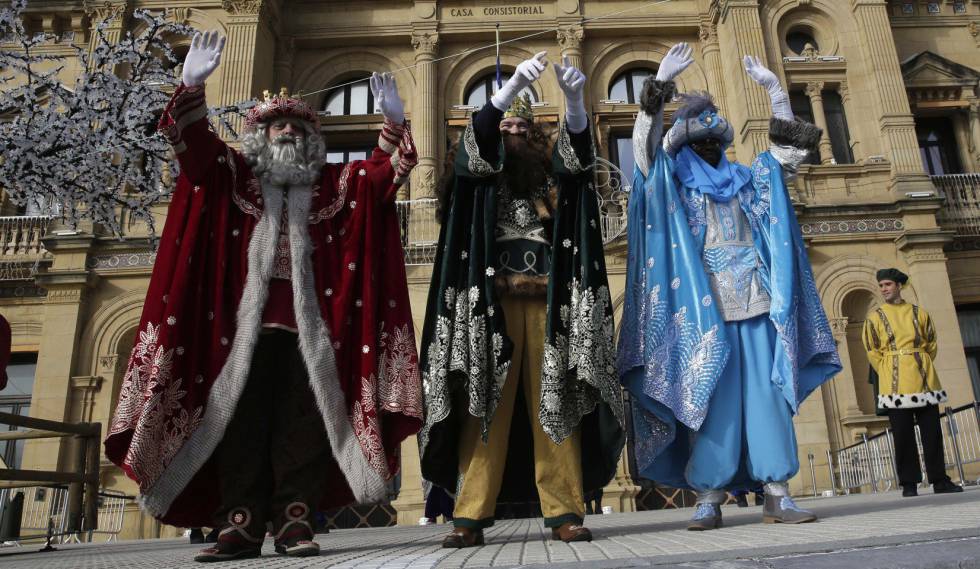
This is the time when the Reyes Magos with their camels and other peculiar characters arrive in town on a decorated float, throwing sweets to the crowds of children that line the streets.
Some of the most spectacular Three Kings Parades can be seen in Alcoi or Alcoy (Alicante), Barcelona, Madrid, Malaga, Valencia, Cartagena and Zaragoza.

During the night between January 5 and 6 the three wise men – Melchoir, Caspar, and Balthazar – come to bring the children their presents, as they did when they first visited baby Jesus in Bethlehem. Accordingly, on the eve of Epiphany, children leave food, wine, and water for the kings and their camels, and on January 6th, they wake up eager to find the gifts left by the Reyes Magos.

Dia de Los Reyes Magos marks the end of Christmas season in Spain and it’s celebrated pretty much like Christmas Day, with a traditional feast. The day’s main attraction is certainly the Roscón de Reyes, a special ring-shape cake, baked with a bean and a small figurine inside. Tradition says that whoever finds the figurine in his/her piece will be the king of the day, while the one who finds the bean has to pay for the cake. Source
Celebrations in Alcoy
Alcoy hosts the oldest Cavalcade of Magi in the world.

It is celebrated every January 5 (the day preceding the feast of Epiphany) in the evening. In Spain, after greeting the kings at the cavalcade in town, children are supposed to go home and go to bed early. They clean and put out their shoes, and the following morning, find the gifts of the Magi, which they requested in a letter, in and around their shoes. Paper cut-outs are usually also put out to adorn the scene, and the children usually put out cookies and some brandy or other drink for the kings to sit and enjoy themselves for a moment before moving on to the next house, and a bucket of water for their camels. According to this tradition, the children who have behaved badly during the previous year receive coal rather than candy, though (as in the case of Santa Claus) this is not a frequent occurrence. They might get coal candy, though.
Alcoy 2019, Video by Michael Walsh
The great cavalcade of Madrid is broadcast live on TVE 1 (the central public Spanish channel) every year, whereas regional television channels broadcast their own parades. The cavalcade of Alcoi is the oldest in the world and is a major draw of international tourism for Spain. Small towns and villages celebrate cavalcades with traditional props, some of which involve Romans, shepherds and camels, while other places have modernized to tractors and fancy cars, though most of the parade goes by on foot and in a few floats. Source Read more about Christmas in Spain
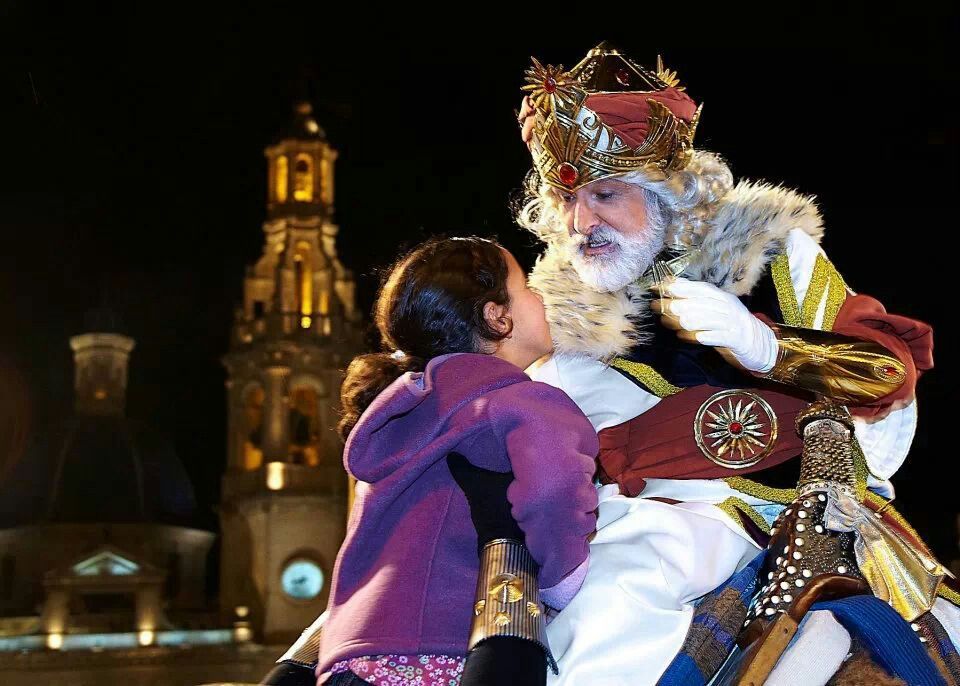

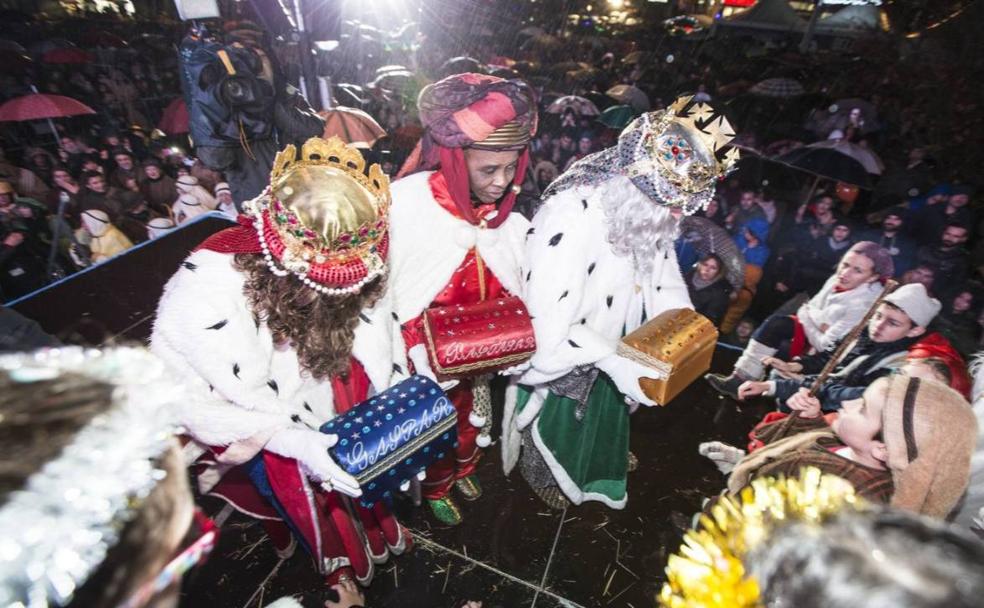
The culmination of the La Cabalgata de los Reyes Magos is the offering of the gifts of the Three Kings to the Virgin Mary and her newborn son Jesus, and the Three Kings announce the Birth of God to the whole world.
Share this:

Categories: Ethnic traditions



 Michael Walsh Stories and Books