



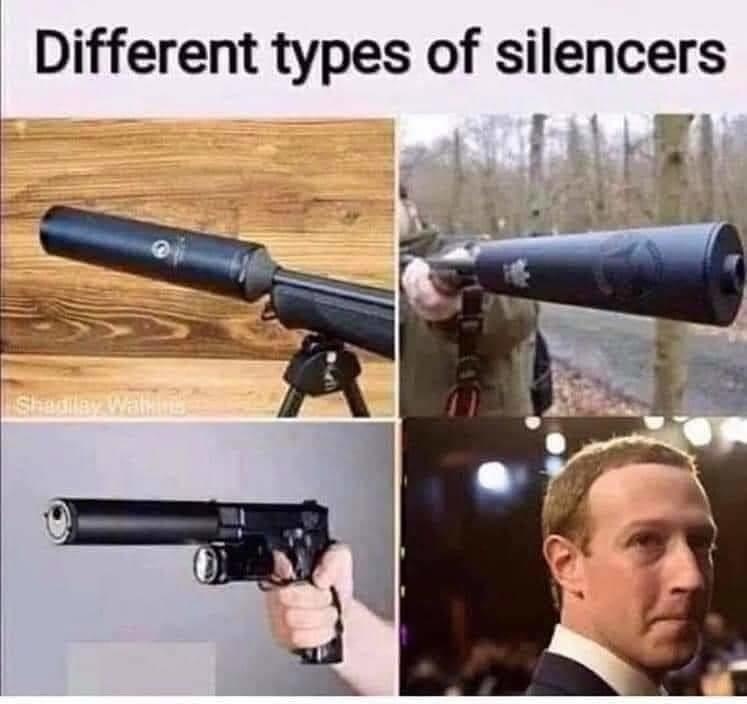
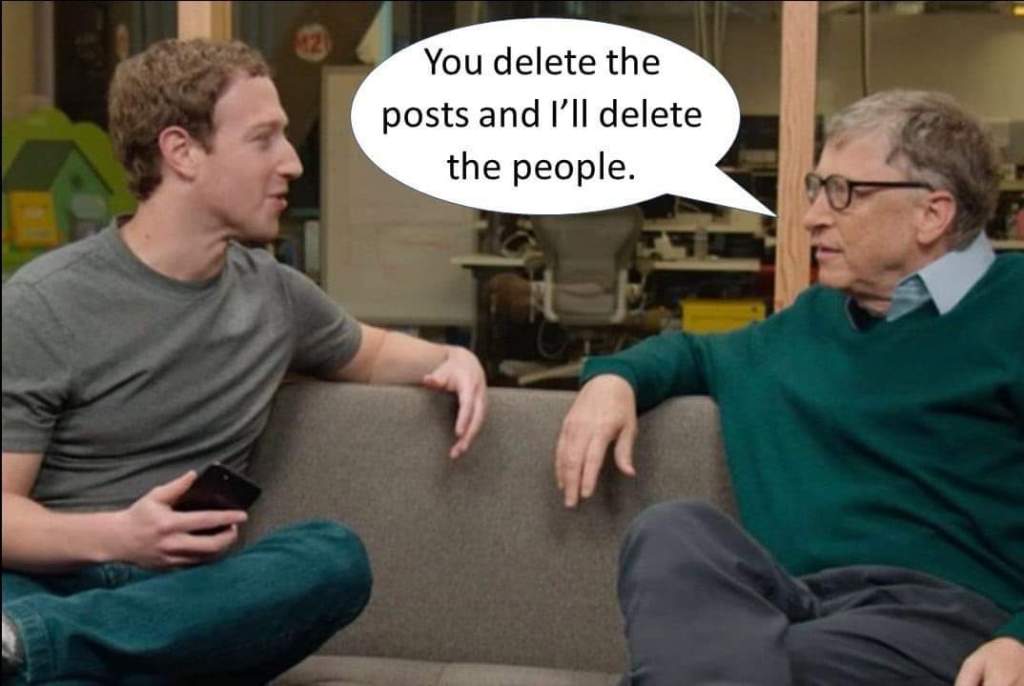
Social media companies that remove posts whose content is legal in Poland can be fined up to €1.8 million under a new Polish bill. Facebook, Twitter etc. users have welcomed its introduction as an answer to other countries’ growing censorship demands.
Any social media company that removes content or blocks accounts that do not violate Polish law can be fined under the new legislation, announced in a press conference on Thursday by Justice Minister Zbigniew Ziobro. The bill also creates a special Court for the Protection of Freedom of Speech within one of the district courts.
Individuals whose posts have been censored will have the right to complain to the platform in question, which has 24 hours to respond. The user then has 48 hours to petition the new court to have their content reinstated, and the court then has seven days to consider the petition.
If the court finds in favour of the user and the social media platform does not restore the content or unblock the account, they will be fined up to €1.8 million by the Office of Electronic Communications. The whole process will happen online, according to Ziobro.

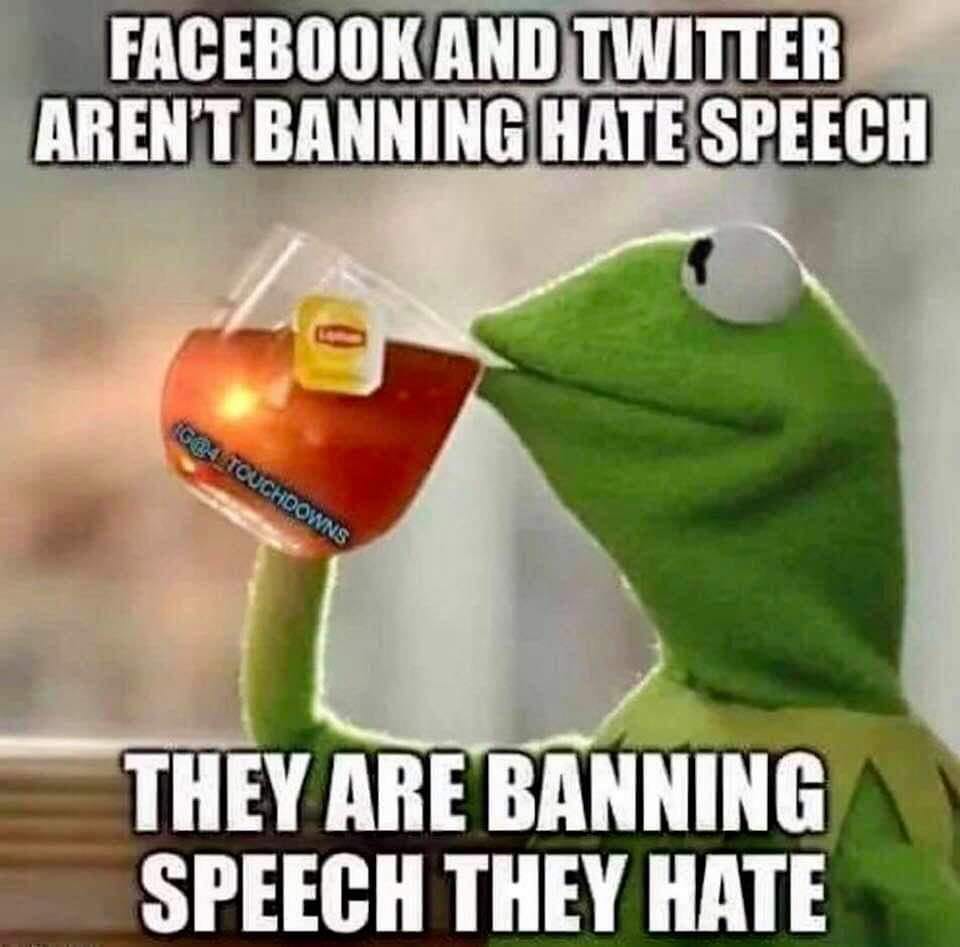
The victims of ‘ideological censorship’ are unfairly suppressed by social media platforms ‘just because they express views and refer to values that are unacceptable from the point of view of communities, with an ever-stronger influence on the functioning of social media,’ the justice minister said.
The user of social media must feel that his rights are protected. Nor can there be any censorship of speech. Freedom of speech and freedom of debate are the essence of democracy.
The new court will also be tasked with handling blocking requests regarding content that does violate Polish law. Additionally, it will handle a new type of ‘blind’ lawsuit in which someone who is wronged by an anonymous party on the internet can file a lawsuit to correct the wrong, even without the defendant’s personal data. All that would be needed for such a suit is the offender’s username, the website where the offending post was made, and the date and time of posting
Secretary of State Sebastian Kaleta said this solution represents a significant improvement over attempts by countries such as France and Germany to handle such problems, noting that their efforts are ‘primarily repressive’ and focus on the quick removal of content rather than protecting the users right to free expression.
Another poke in the eye for Brussels / Berlin suppression of free speech: ‘A Polish government press release specifically cited the European Commission’s Digital Service Act, an Orwellian tool of repression as one of the motivating factors behind Warsaw’s rollout of the new protections for online speech.
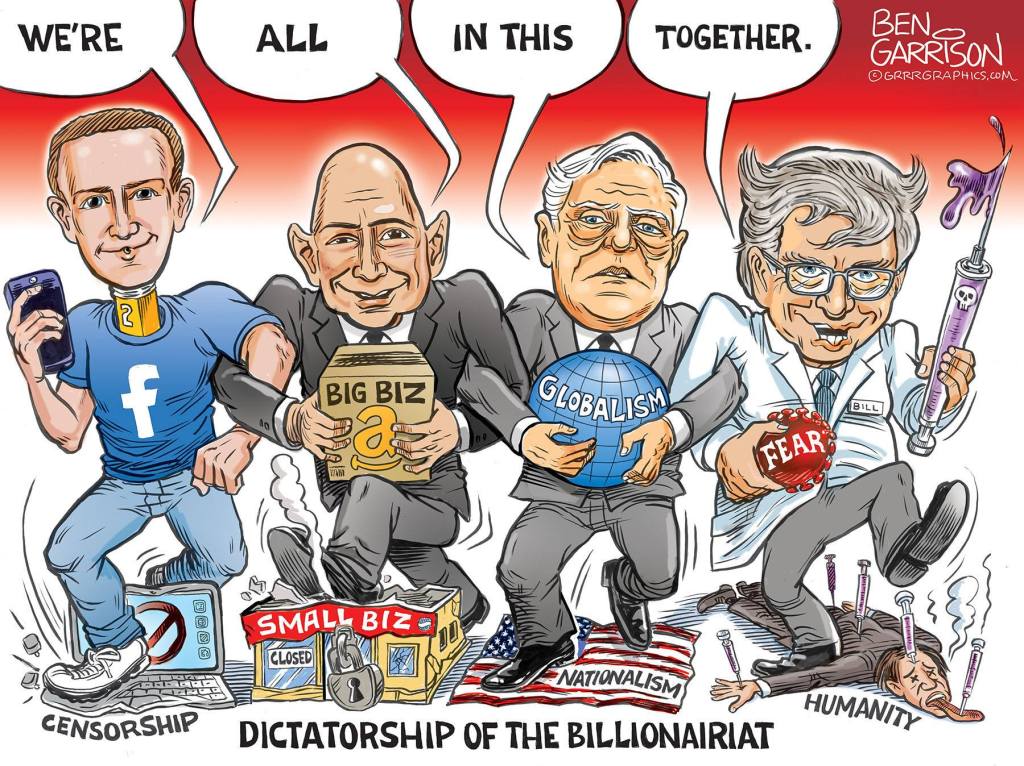
‘Poland wants to adopt its own regulations, effectively defending the constitutional right to freedom of expression, so that in the event of a dispute…the courts will decide on a possible violation of the law,’ it said.
Social media users far outside Poland were thrilled by the legislation. Many, especially Americans were impatient to see such laws in their own countries. ‘Must be nice to have such leaders,’ one user sighed wistfully.

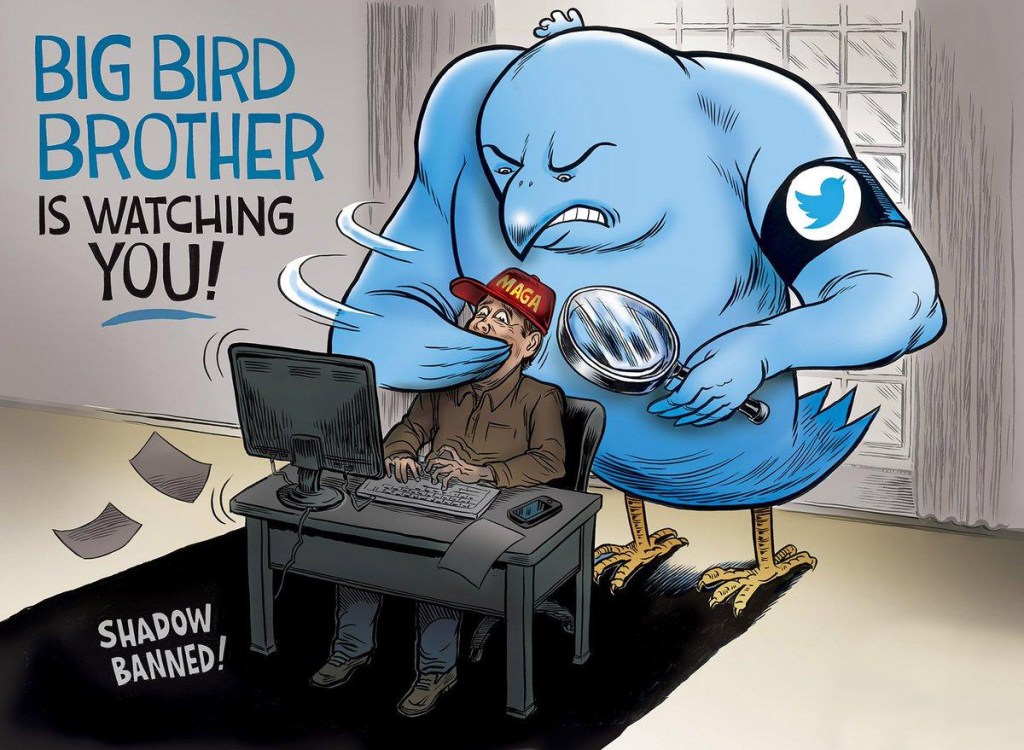
And several users simply tagged US President Donald Trump, who has vowed to veto the National Defense Authorization Act if it does not include a provision to strip social media platforms of their Section 230 legal liability. Section 230 exempts social media platforms from legal responsibility for content posted by their users while still allowing them to moderate that content – a loophole its opponents have claimed enables ideologically-motivated censorship.
Unfortunately for Americans looking eastward, Poland is not yet allowing visitors from the US (except Illinois and New York) due to the novel coronavirus epidemic.
UN Universal Declaration of Human Rights (ignored by social media platforms): ‘Everyone has the right to freedom of opinion and expression; this right includes the right to hold opinions without interference and to seek, receive and impart information and ideas through any media and regardless of frontiers.’ Source

Share this:

Categories: Uncategorized





 Michael Walsh Stories and Books
I had a prowhite page on FB and it was taken down and I can’t even log onto FB anymore. I’d always get some 30-day ban because they didn’t like a post I either made/shared. I did not cuss, did not advocate violence; nothing like that. I was pointing out current issues facing white people worldwide. I talked about the rise of nationalist parties in Europe to covering the white genocide in South Africa. When anti-whites and liberals trolled the page or messaged me complaining or giving usual anti-white talking points, I simply blocked them and did not allow them to post anymore on my page. I figured we get enough anti-white hatred 24/7 my page would be a way to escape and avoid that there.( I did share your stuff on there, Mr. Walsh, but I always gave you credit when I did. )
I tell my family that if they want to talk to me they can call me, text me, stop by. I’m not using FB to broadcast my personal or work life. I had people from my past that I didn’t wish to speak with anymore that were stalking me online, so I blocked them and shut down the social media accounts I had because of that. Likewise, I tell people to please me out of their social media drama.
LikeLiked by 1 person