



The “Nikolovarvara” The festive “triangle” of December 4, 5 and 6 (the feasts of St. Barbara, St. Savvas and St. Nicholas) was named by citizens of Cephalonia or Kefalonia – “Nikolovara”. In the Peloponnese, this “triangle” is associated with death, due to the bad weather conditions that usually prevail these days: “Ai Barbara barbarizes (strengthens) the cold, Ai Savvas savannas (savannas) and Ai Nikolas provides (buries)”. Source
On December 5, the Greek Orthodox Church commemorates Agios Savvas.
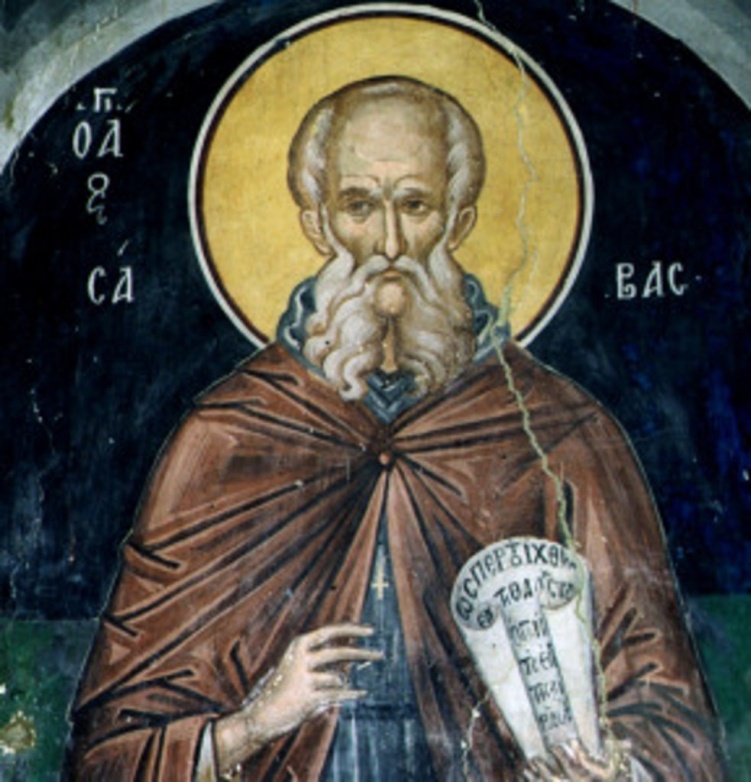
Saint Savvas the Sanctified was born in the fifth century at Cappadocia of pious Christian parents, John and Sophia. His father was a military commander. Journeying to Alexandria on military matters, John and Sophia left their five-year-old son Savvas in the care of an uncle. When the boy reached eight years of age, he entered the monastery of Saint Flavian located nearby. The gifted child quickly learned to read and became an expert on the Holy Scriptures. In vain did his parents urge Saint Savvas to return to the world and enter into marriage.
When he was seventeen years old he received monastic tonsure, and attained such perfection in fasting and prayer that he was given the gift of wonderworking. After spending ten years at the monastery of Saint Flavian, he went to Jerusalem, and from there to the monastery of Saint Euthymius the Great (January 20). But Saint Euthymius sent Saint Savvas to Abba Theoctistus, the head of a nearby monastery with a strict cenobitic rule. Saint Sava lived in obedience at this monastery until the age of thirty.
After the death of the Elder Theoctistus, his successor blessed Saint Savvas to seclude himself in a cave. On Saturdays, however, he left his hermitage and came to the monastery, where he participated in divine services and ate with the brethren. After a certain time, Saint Savvas received permission not to leave his hermitage at all, and he struggled in the cave for five years.
Saint Euthymius attentively directed the life of the young monk, and seeing his spiritual maturity, he began to take him to the Rouba wilderness with him. They set out on January 14 and remained there until Palm Sunday. Saint Euthymius called Saint Savvas a child-elde, and encouraged him to grow in the monastic virtues.
When Saint Euthymius fell asleep in the Lord (+ 473), Saint Savvas withdrew from the Lavra and moved to a cave near the monastery of Saint Gerasimus of Jordan (March 4). After several years, disciples began to gather around Saint Savvas, seeking the monastic life. As the number of monks increased, a lavra sprang up. When a pillar of fire appeared before Saint Savvas as he was walking, he found a spacious cave in the form of a church.
Saint Savvas founded several more monasteries. Many miracles took place through the prayers of Saint Savvas: at the Lavra a spring of water welled up, during a time of drought there was abundant rain, and there were also healings of the sick and the demoniacs. Saint Sava composed the first monastic Rule of church services, the so-called “Jerusalem Typikon”, accepted by all the Palestine monasteries. The saint surrendered his soul to God in the year 532. Source
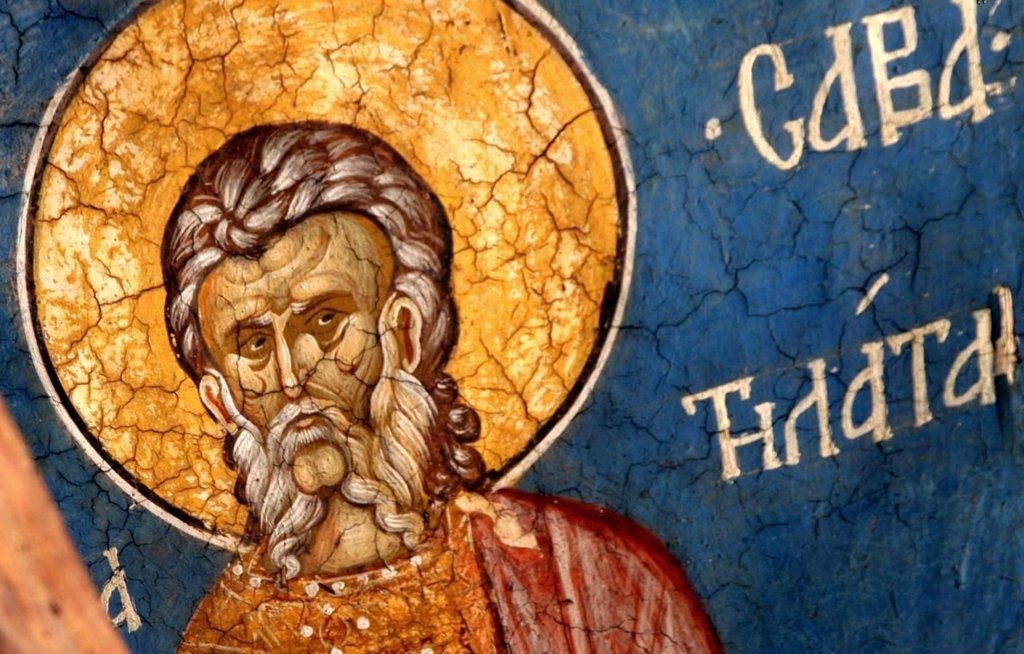
Savva’s day is the day of the national calendar of the Slavs, which falls on 5 (18) of December.
In Slavic folk Orthodoxy, this is one of the ritually marked days following each other and forming a single complex: Barbara’s Day, Savva’s Day, St. Nicholas’s Day.
Ukrainian – Day of Savva, Belarusian – Nicholas’ father, Savva Sanctified, Serbo-Croatian – “Truncated Day”.
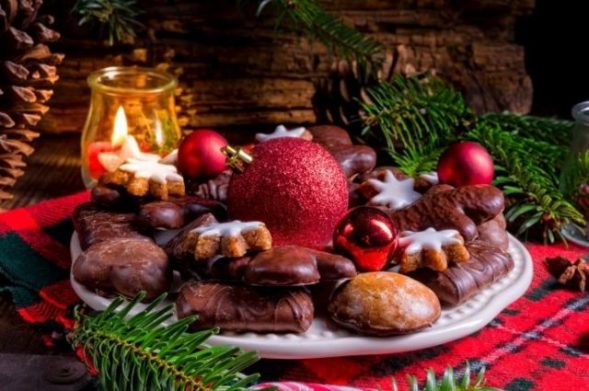
Customs and beliefs:
It was a home holiday, no one came to visit – the whole family gathered to meet the newborn sun. “Don’t go over the threshold – don’t bother paving the roads.” “On the Day of Savva – the Head (of families) is at home” . On this day, as well as on the previous and following days, bans on female household chores were known.
People said about the weather of that day: “Barbara paving (roads), Savva sharpening nails.” They found out about the weather without leaving the house: “Red fire in the stove – frost knocks on the windows. Firewood burns violently, crackles – promises frost. “
In Belarus, Savva, like Varvara, was a “women’s” holiday with the same rules. Savva was considered the father of Saint Nicholas, who demanded: “Celebrate my Day and my father’s Day!” (Belarusian svyatkuy meane і butt maigo). They didn’t spin on Savva, but pound millet, barley on Christmas Eve, grind rye on Kolyada, weave footwear (coarse shoes made of a whole piece of leather tied with a strap on top), drag weaves (obor, strings at bast shoes). “You don’t need to spin on Savva’s Day, otherwise the lamb will roll into a wheel.” Since Savva’s Day was before the Nicholas’s Day, it was called “Mykoly’s Batka (Dad)”. And tomorrow on Mikola/Nicholas’s Day all the heads of families will gather together – for the brotherhood. Eastern Slavs on Varvara, Savvva and Nicholas days cooked kutya and compot.
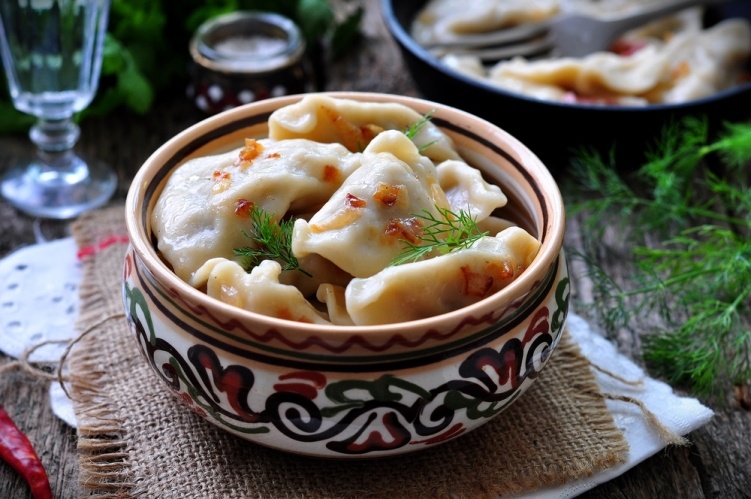
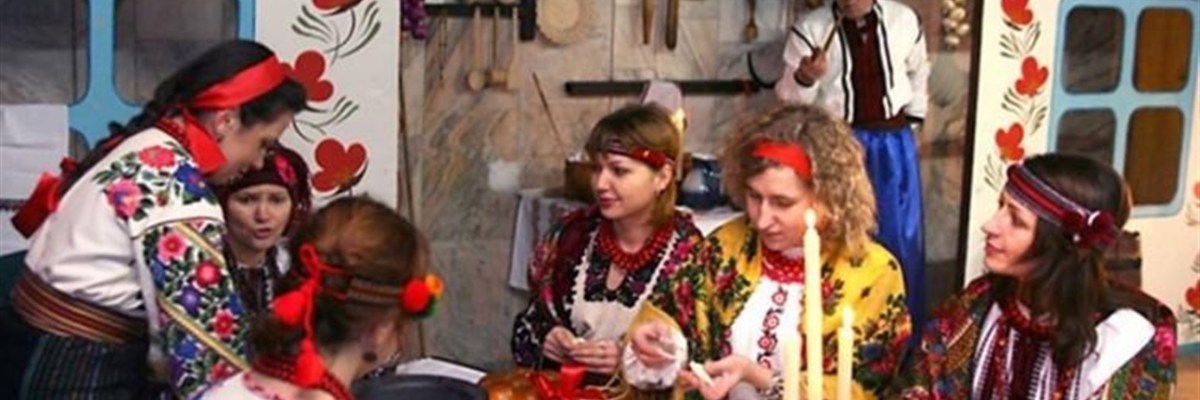
In Ukraine, women gathered for needlework parties – it was time to get ready for the holiday Vechornytsi. In Ukraine they said: “The barbarians snatched the nights, and the Savvas added the day.”
Special attitude on this day of the owners to the horse: “On Savva’s Day, the owner who has a horse should not have swore.” Source 1, Source 2.
Share this:

Categories: Ethnic traditions



 Michael Walsh Stories and Books