




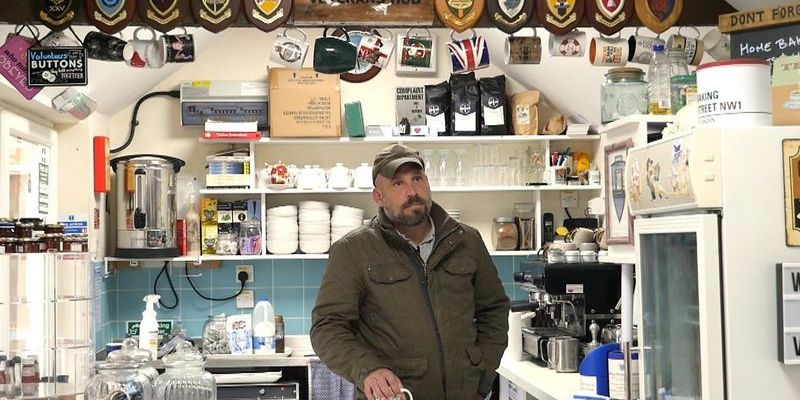
As Christmas approaches we are reminded that this is the ‘time for giving’. Unfortunately, charities increasingly resemble the fatted goose as they take full advantage of people’s charitable natures.
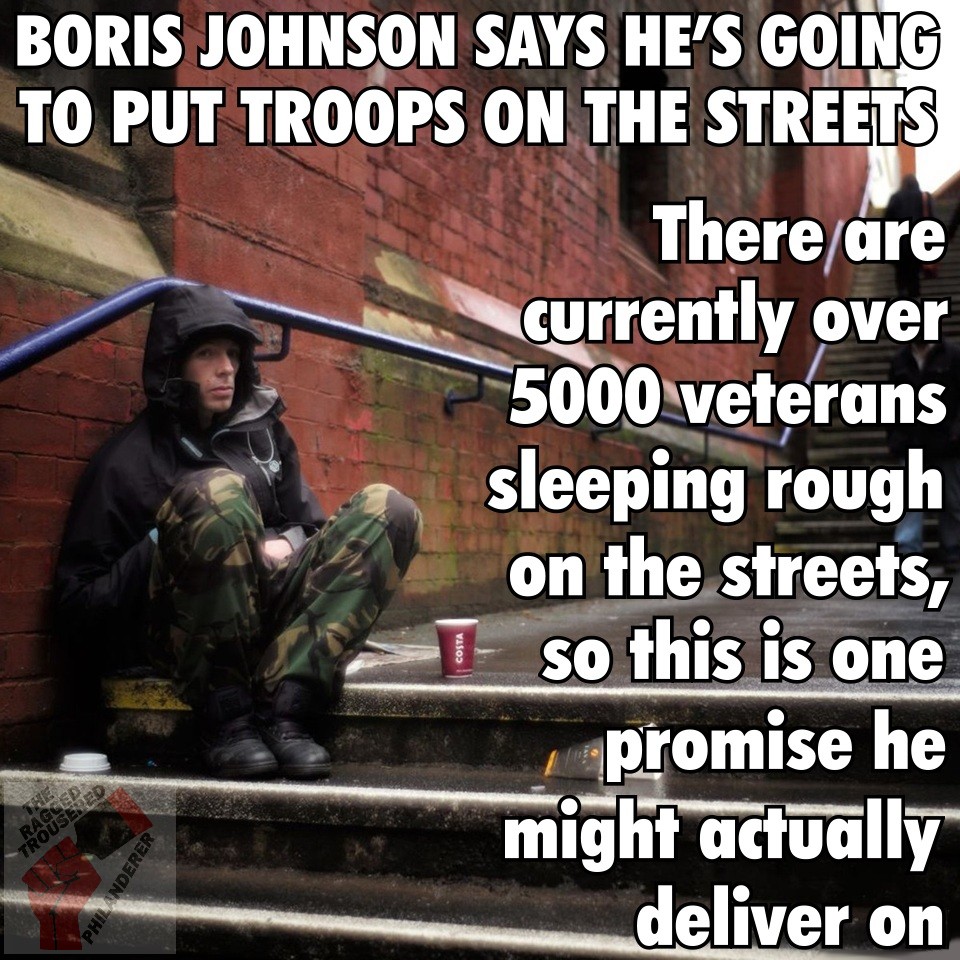
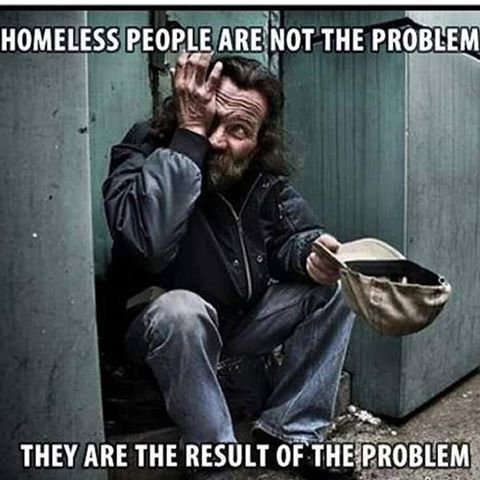
Pitiful images of former British soldiers, now homeless and sleeping under rags, are used effectively enough to shake a few shekels from the pockets of Scrooge himself.
Never mind, Britain’s 1,519 military charities are there to help or are they? The combined wealth of these charities amounts to £3.1 billion. It gets better, if you’re running such a charity for over the last 5 years their extensive marketing has increased the wealth of these military charities by 31 per cent.
Research carried out reveals that some of the UK’s largest military charities are sitting on vast sums of money despite many veterans still struggling for help. Data collated from annual accounts shows that the 10 wealthiest armed forces charities have cash reserves totalling £277m. This is money sitting in bank accounts unused.
One chief executive has described it as ‘a scandal’ and another admitted it shouldn’t happen.
It is common practice, and sensible, for charities to keep six to 12 months’ income in reserve in case of financial problems. But, one charity, the RAF Benevolent Fund, has almost two years’ income (£37.4m) in reserve.
In a statement, the charity defended itself, claiming: ‘Our board of trustees has agreed a minimum of £30m in free reserves is required to ensure we are able to look after those members of the RAF family we support, throughout their lifetime, whatever happens to the fund.’
The data, collated by Victoria Elms for Sky News, has revealed further surprising statistics. In the five years since the end of Afghan operations, military charities’ income has actually grown by 31%, making the 1,519 registered military charities in the UK now worth a collective £3.1bn. The top 10 military charities are worth nine times more than their police equivalents and seven times more than the top 10 civilian mental health charities.
British armed forces veterans complained that the money wasn’t always filtering down to those who needed it and the bureaucracy had left some of them suicidal.
‘Every time I have to open this box it breaks me,’ one said, describing the mound of letters he has sent to the government and charities pleading for help.
Ed Tytherleigh from the Confederation of Service Charities admitted that co-ordination between charities could be better: ‘At the local level I think there is really good bilateral co-ordination between different veterans charities. But I do agree that on a national level there is a lack of overall strategic co-ordination in how the veterans’ charities operate.’
‘If an individual reaches out for help, they should get it,’ said Ed Parker, chief executive of Walking with the Wounded. ‘And if an organisation is unable to provide it to that individual there will be another one that can. One should never just say no, and if it does happen, it’s a failure.’
Although veterans’ care in the UK has improved markedly in recent years, and the current government has established the first office for Veterans’ Affairs, the veterans’ minister himself, Johnny Mercer, has previously said the way the UK treated its veterans was a disgrace. The research was published to mark five years since the end of combat operations in Afghanistan. Source

Share this:

Categories: Uncategorized




 Michael Walsh Stories and Books