




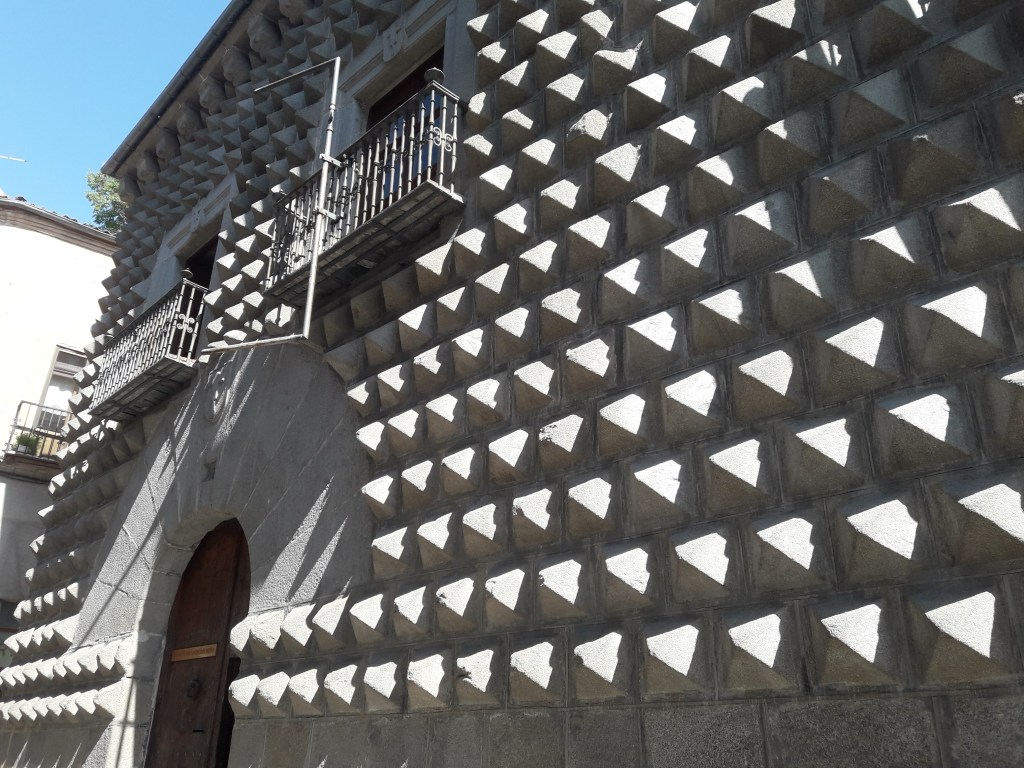
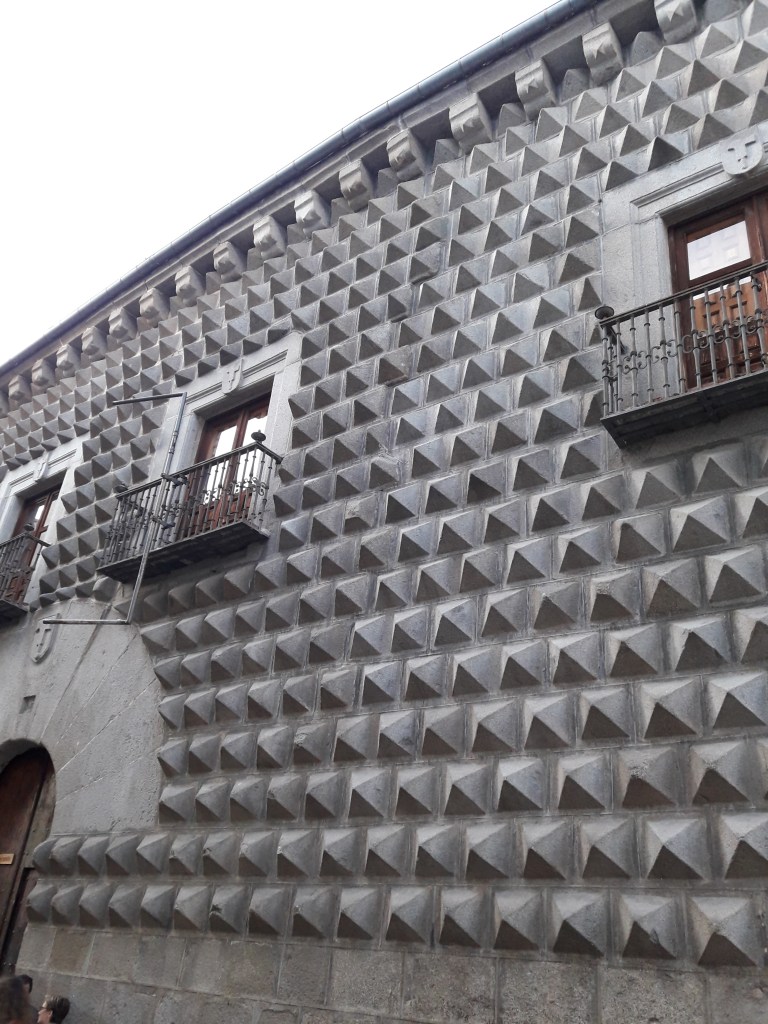
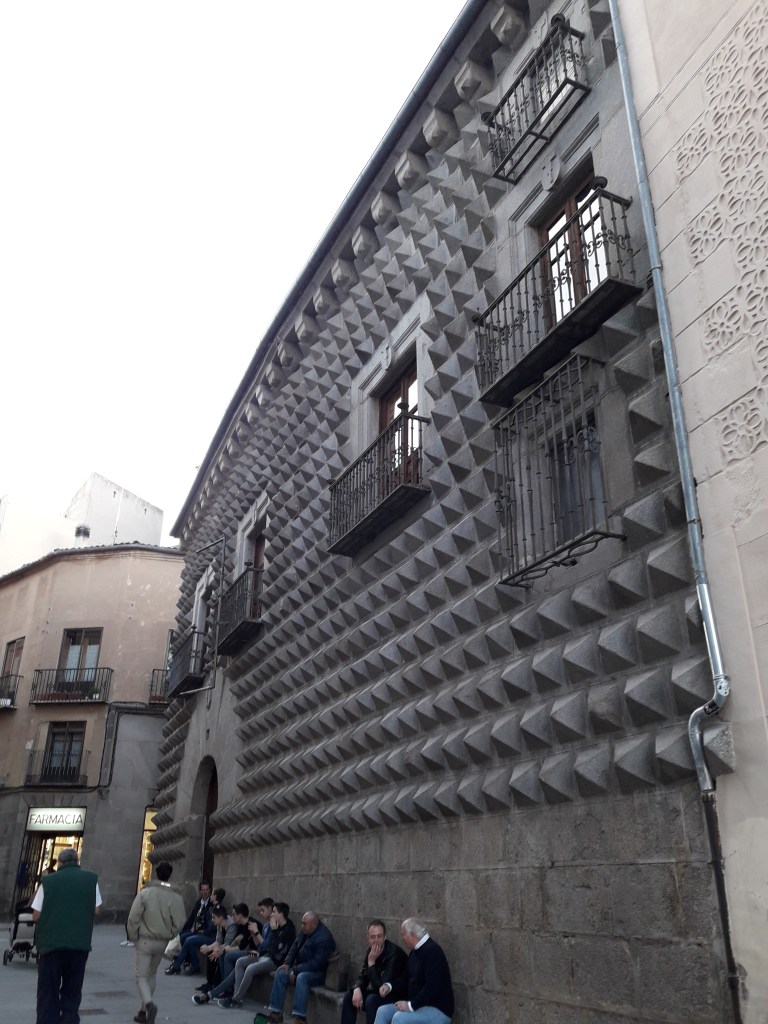
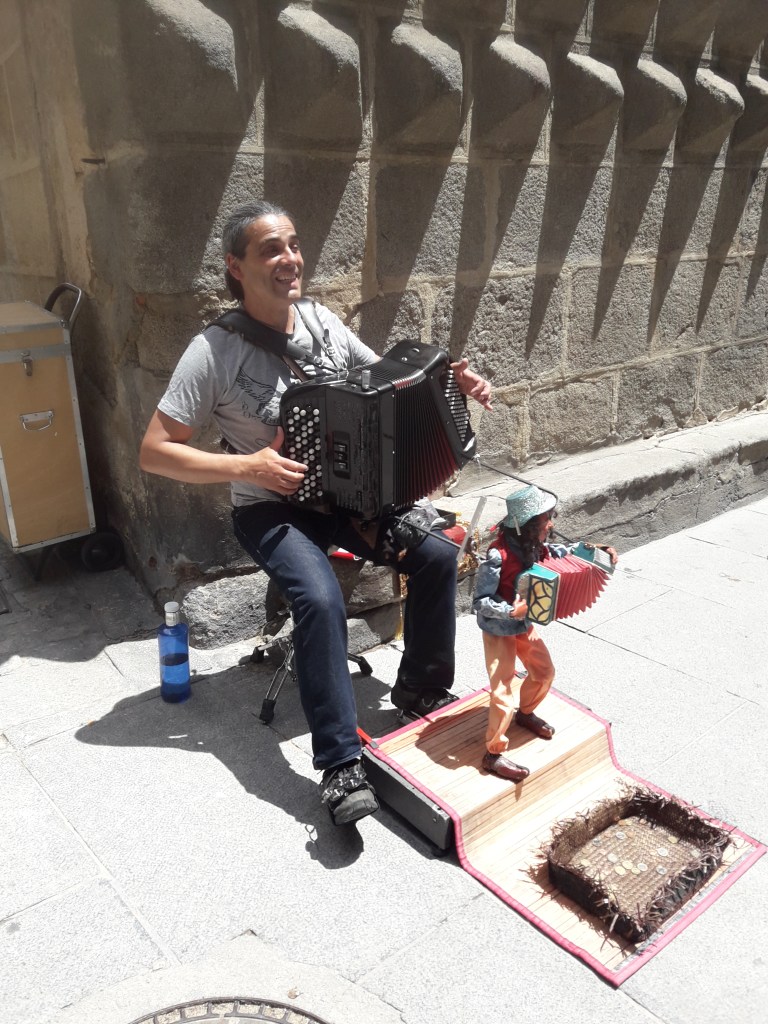
The old city of Segovia, about 90 km north of Madrid, is best known for its aqueduct, but this historic city is full of architectural curiosities, such as the ornamental façades and geometric textures on the walls of many of the houses, the strangest of which is Casa de los Picos, or the “House of Peaks”. The façade of this house is covered entirely by granite blocks carved into pyramid-shaped reliefs. There are more than six hundred pyramids jutting out of the walls giving the impression of a giant cheese grater.
The house was built in the later part of the 15th century by Segovia’s Governor D. Juan de la Hoz. Over the years the building has gone through several public and private ownerships. In the 70’s the building was transferred to the Ministry of Education which restored and revamped this historic building, and now it houses the Segovia School of Art.
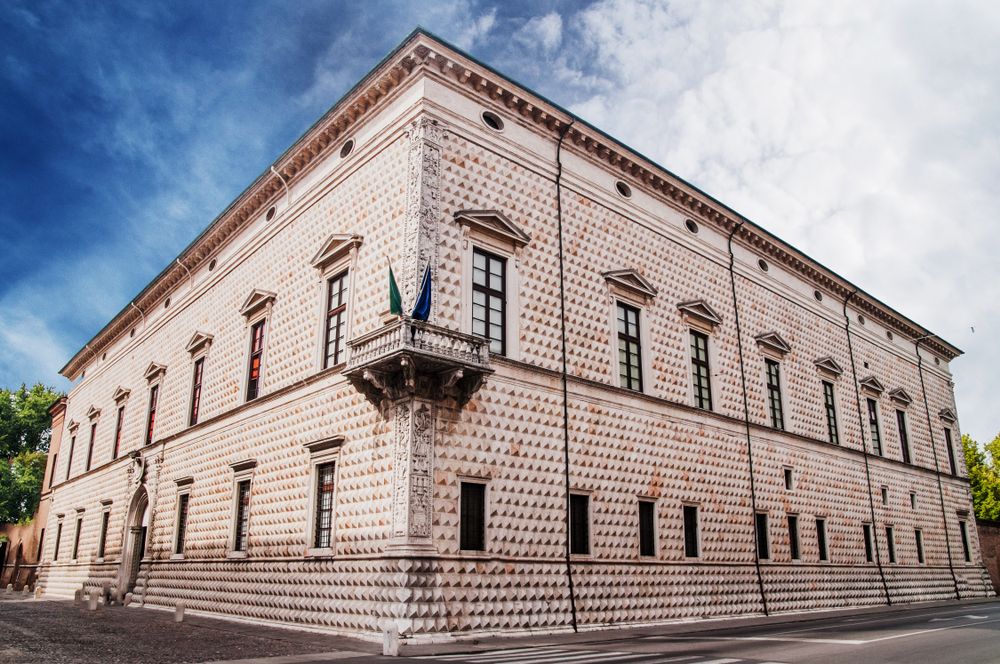
Palazzo dei Diamanti
Casa de los Picos is not the only house in Europe with such an hostile façade. The Palazzo dei Diamanti, in Ferrara, Italy, is also decorated with a similar relief, but the diamonds are less pronounced. The façade of this late 15th century house is covered with 8,500 white marble blocks carved to represent diamonds, and hence its name. The positioning of the diamonds varies in order to maximize the light reflected off the building, creating quite the visual effect. The Palazzo dei Diamanti now houses the National Gallery of Art and the Civic University.
Church of Gesù Nuovo
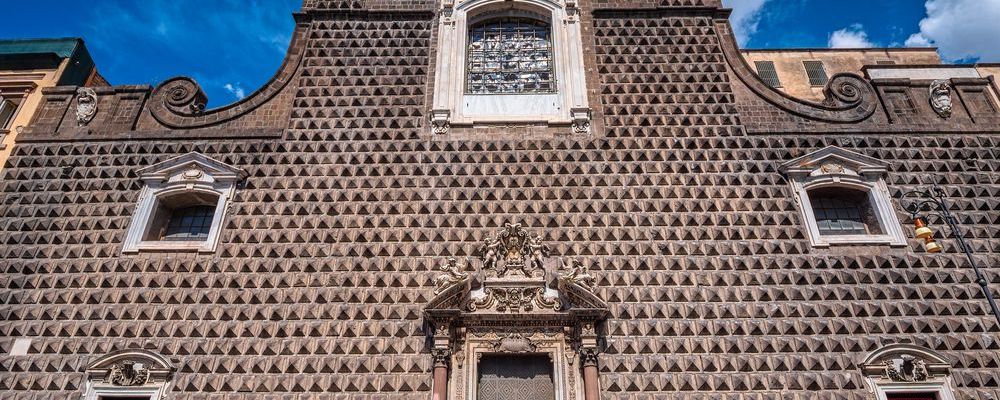
The Church of Gesù Nuovo is another building in Italy with diamond-shaped projections. It’s located in Naples. The church was originally a palace built in 1470 for the Prince of Salerno, but the property was confiscated and sold to the Jesuits in the 1580s. The palace was torn down and a new building was erected, but the unusual façade of Price Salerno’s palace was retained.
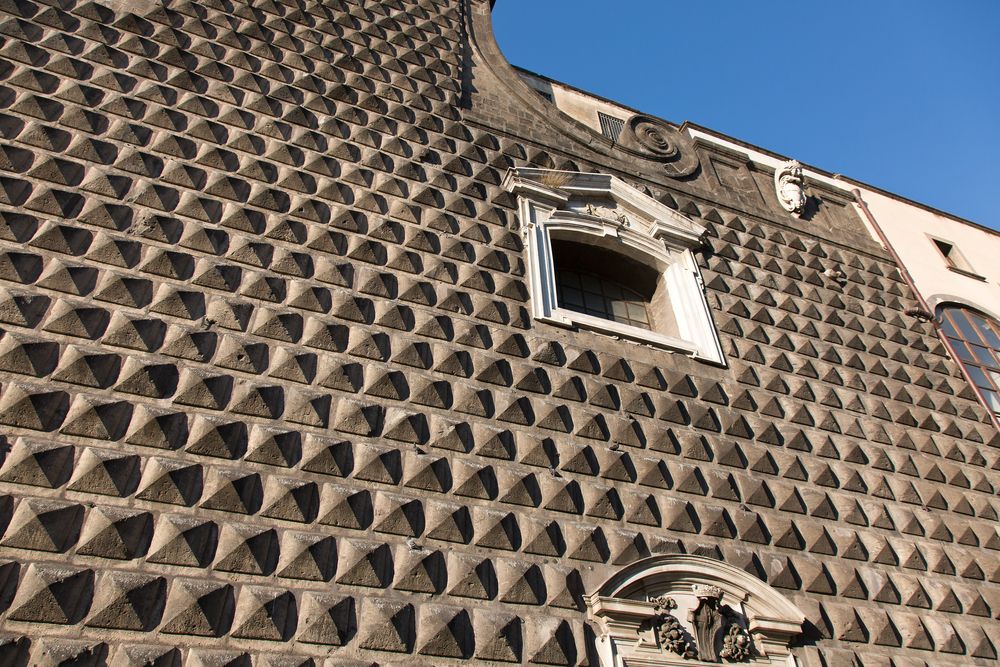
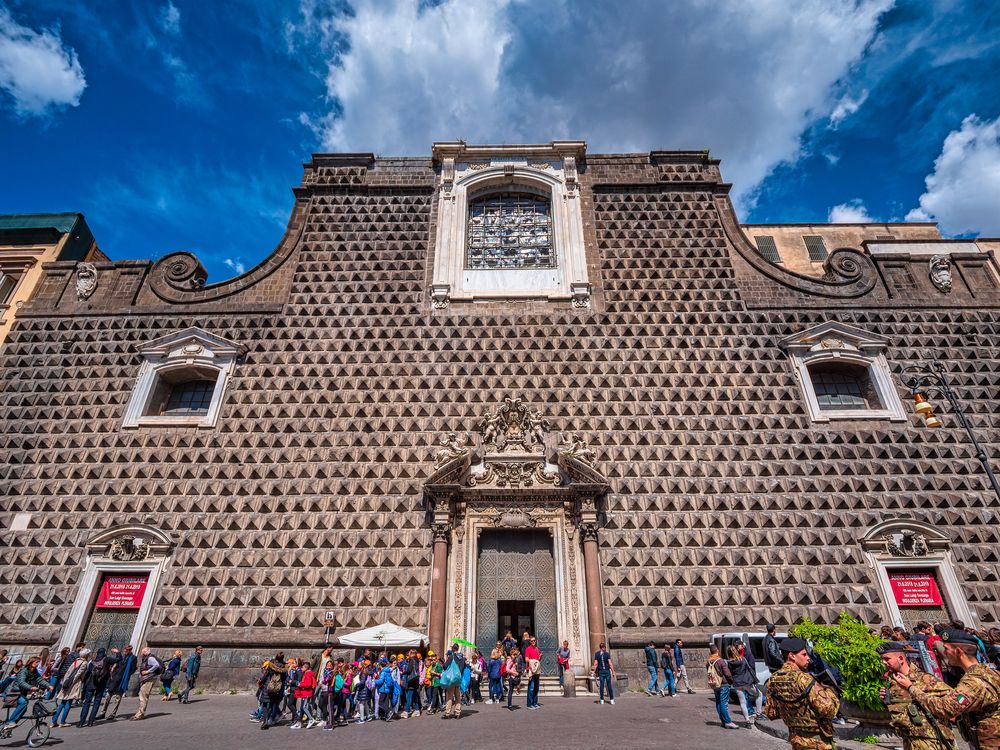
Photo: Sergei Mutovkin/Flickr
Casa dos Bicos
The Casa dos Bicos, or the “House of the Spikes”, is located in the civil parish of Santa Maria Maior, in the Portuguese municipality of Lisbon. The house, built in the early 16th century, has a curious façade of pyramid-shaped spikes, influenced by Italian Renaissance palaces and Portuguese Manueline styles. It is one of the few buildings that survived the disastrous 1755 Lisbon earthquake that destroyed much of the city.
The Casa dos Bicos was built between 1521 and 1523 by Afonso de Albuquerque, the first governor of Portuguese India, after he returned from an extensive travel to Italy. Presumably, Albuquerque saw the Palazzo dei Diamanti in Ferrara, whose façade is also decorated with diamond-shaped pyramids. The Casa dos Bicos remained in private hands for nearly five hundred years until the late 20th century, when it was renovated and became the headquarters of the José Saramago Foundation and a location of the Museum of Lisbon.
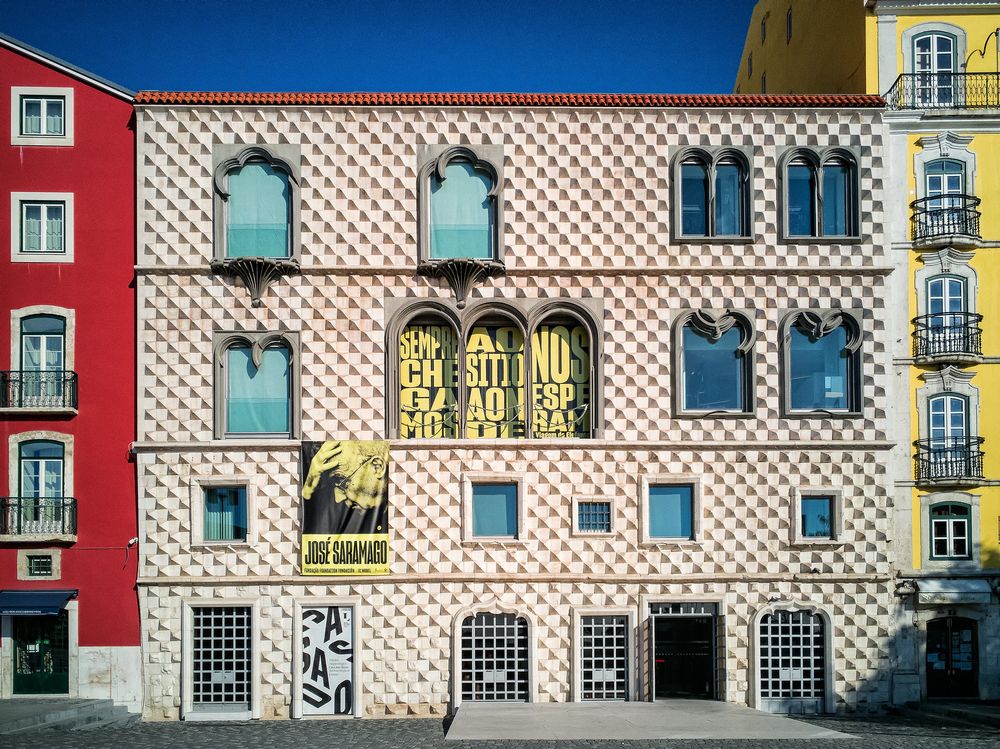
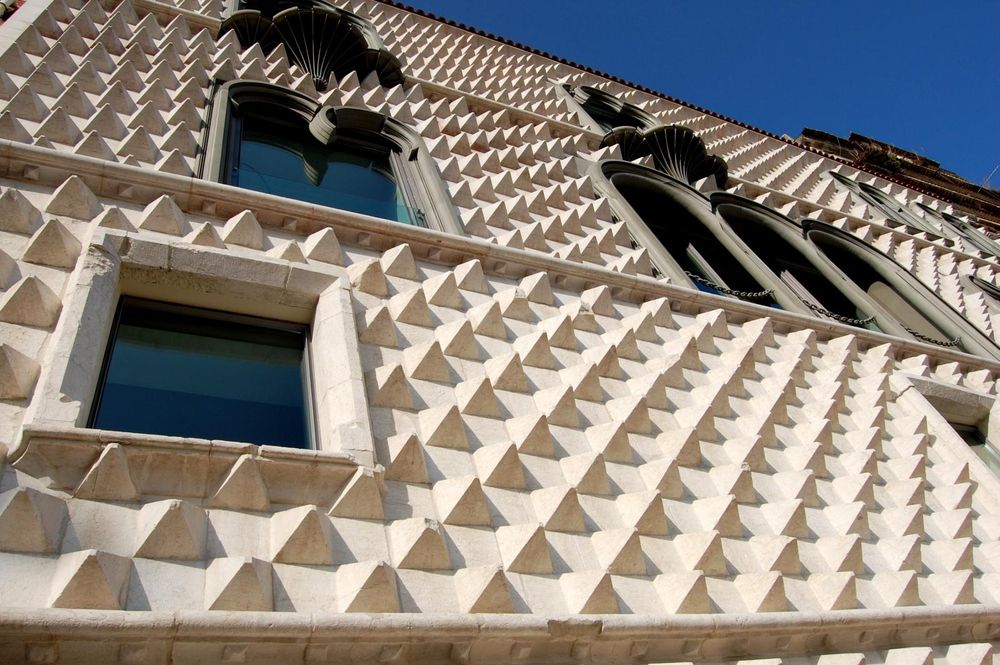
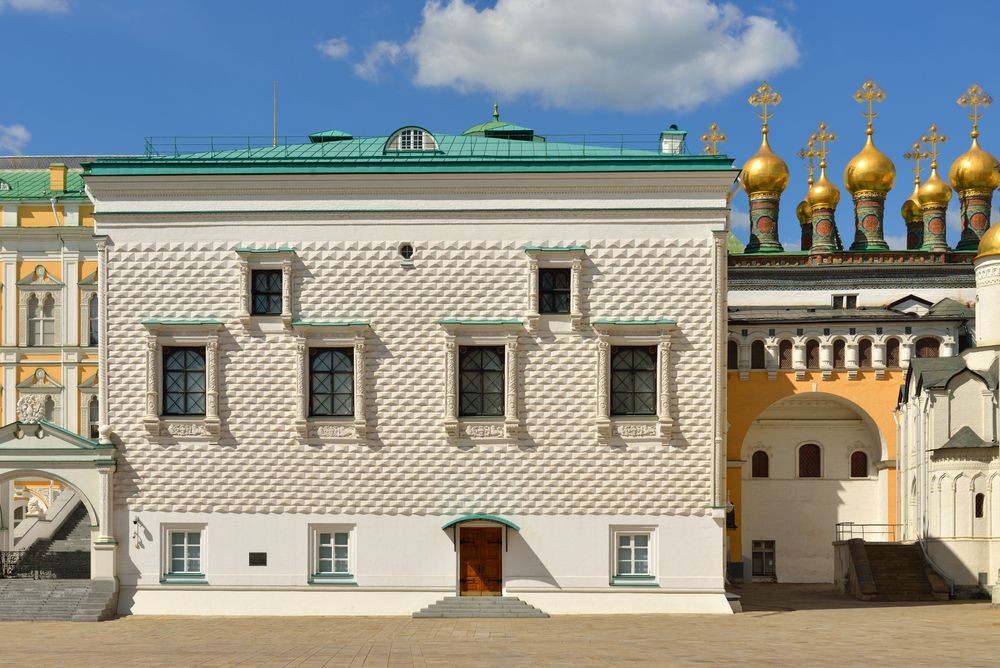
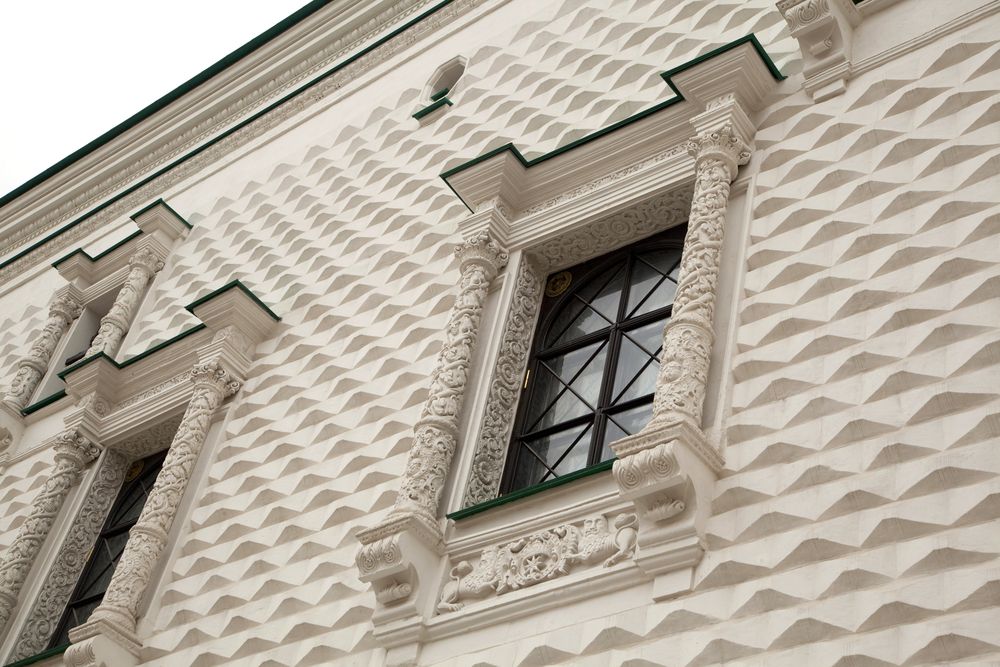
The Palace of the Facets
The Palace of the Facets in Moscow Kremlin is yet another building with this rare and unique architectural style. It is the oldest preserved secular building in Moscow, and all that is left of a larger royal palace made of white limestone. The palace was completed in 1492 and served as the most important venue for formal receptions of the Tsar, coronation celebrations, feasts, and state ceremonies. Over the centuries, the Palace of Facets suffered repeatedly from major fires damage and was rebuilt several times in its history. However, it has continued to be used for state receptions even in modern times.
Share this:

Categories: Art and Culture






 Michael Walsh Stories and Books
I believe that avoiding refined foods will be the first step in order to lose weight. They can taste very good, but ready-made foods currently have very little vitamins and minerals, making you try to eat more only to have enough power to get throughout the day. In case you are constantly eating these foods, switching to cereals and other complex carbohydrates will aid you to have more vigor while taking in less. Interesting blog post.
LikeLike