




Colourized photograph, which depicts from left to right: German Admiral Ernst Vanselow, German Count Alfred von Oberndorff (1870 – 1963) of the Foreign Ministry, German army general Detlof von Winterfeldt, British Royal Navy Captain Jack Marriott (Naval Assistant to the First Sea Lord), Matthias Erzberger, head of the German delegation Center party member of the Reichstag (1875 – 1921), who was later murdered by Freikorps rightists for his role in the Armistice, British Rear-Admiral George Hope (Deputy First Sea Lord), British Admiral of the Fleet Sir w:en: Rosslyn Wemyss (First Sea Lord), Marshal of France Ferdinand Foch (1851 – 1929), and French general Maxime Weygand (1867 – 1965). There is a signature in the left corner: Pillard.
On November 11, 1918, the Compiègne Agreement was signed in northern France, which ended the First World War (1914 – 1918), or, as it was then called, the Great War. For that time, it was the most massive and bloody military conflict of all the previous 15 thousand conflicts known: 38 states, having mobilized 68 million people, fought for economic dominance and territory for more than four years.

The truce went into effect at 11 am. 101 volleys were fired, the last volleys of the First World War, during which conflict 10 million servicemen, mostly conscripts and 12 million civilians died in just four years of terrifying bloodshed. The result of the First World War was the collapse of four empires, Imperial Russia (1721 – 1917), Imperial Germany (1871 – 1918), and the Austro-Hungarian Empire that had endured for 1,000 years. Also destroyed was the Ottoman Empire (1400 – 1918).
Photographer Artur Bondar provided an archive of photographs taken by German Lieutenant Gasmus in 1916 on the Western Front.
They give an idea of the life of the Germans on the front line and in the rear. The photographs show the soldiers’ morning toilet, the time of rest in the trenches, and the work of the officers at the headquarters. Some of the pictures were taken on the day of the Battle of the Somme, one of the most brutal battles of the First World War, as a result of which the Germans lost about 650 thousand conscripted troops and ceded eight kilometres of territory. Several photos from the photo archive of a German soldier.
The 1914-1918 war was described by Field-Marshall Lord Allenby as a lengthy period of general insanity. Source 1, Source 2.
Unique Images of the Great War
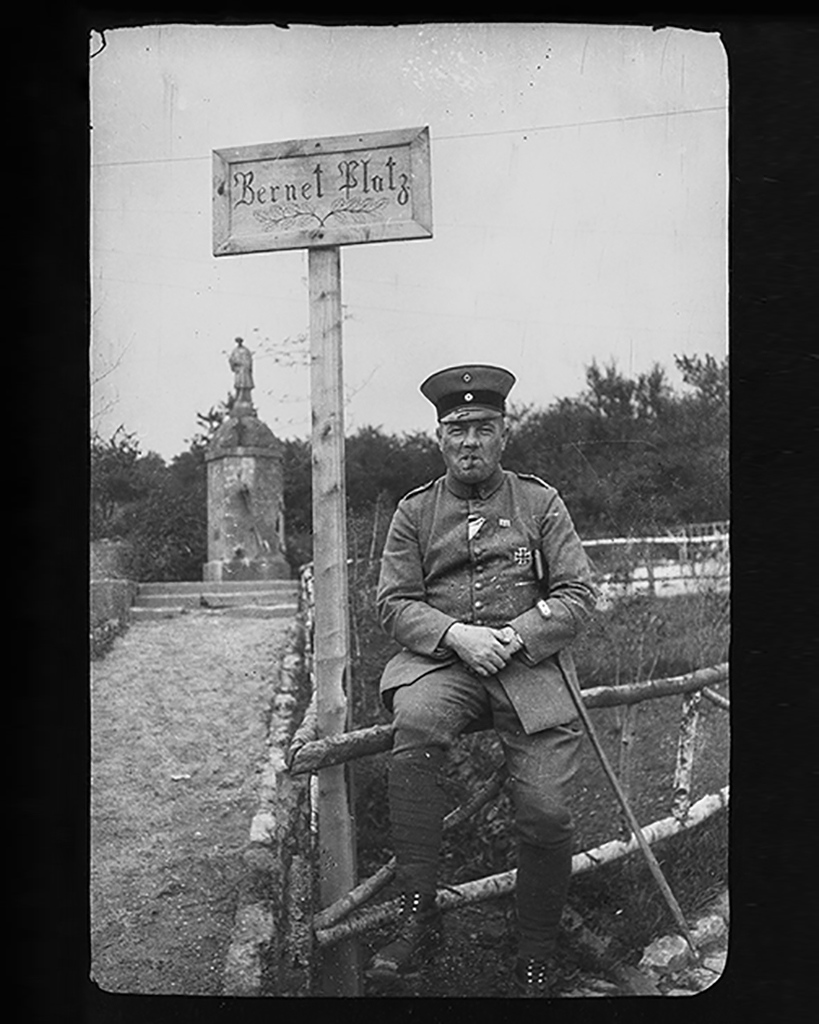
German officer with the “Iron Cross” and a cigar sits on the fence near the sign Bernette Platz. Western Front, 1916. 
German officers with a dog near the entrance to the headquarters. 
German soldiers set the table. Western Front, 1916. 
A German officer walks along the trench on the front line. Western Front, 1916. 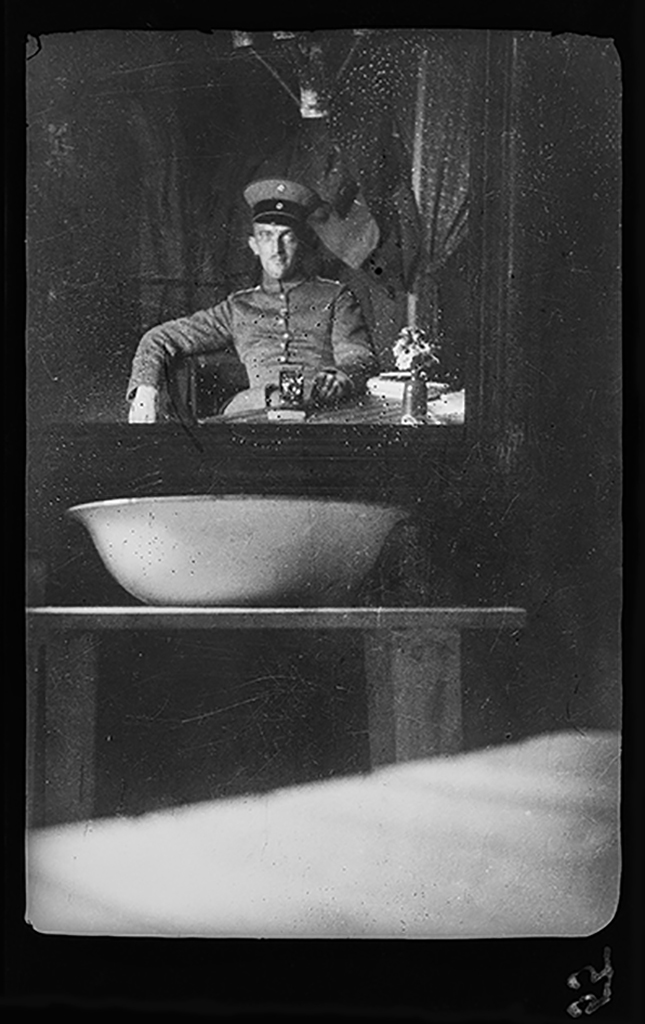
Self-portrait of the photographer – Lieutenant Gasmus in the dugout on the front line. Western Front, 1916. 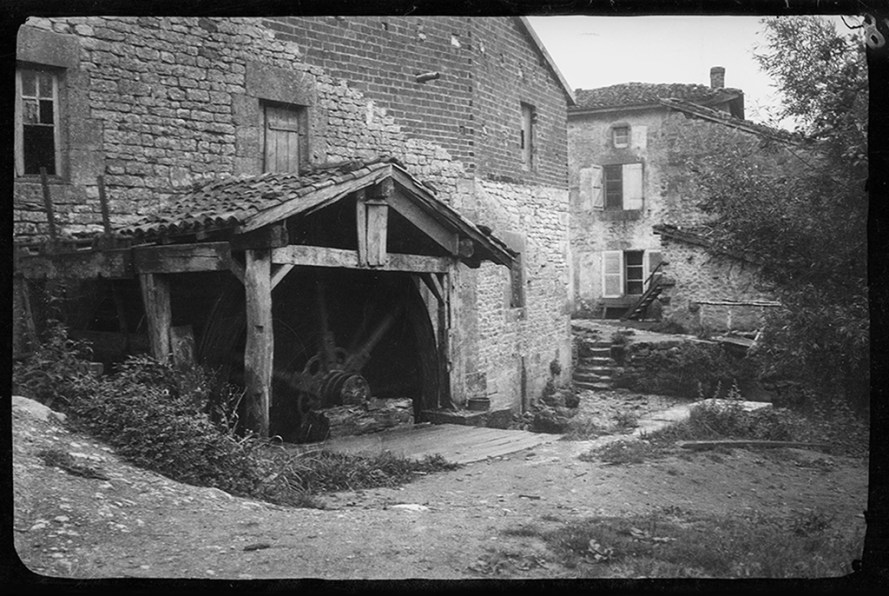
Watermill. Western Front, 1916. 
Portrait of a German officer with a cane. Western Front, 1916. 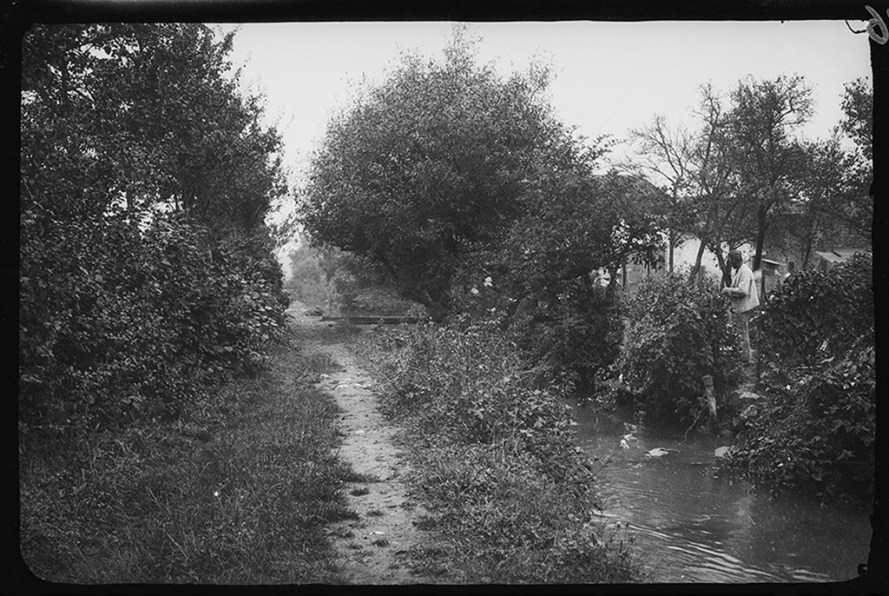
German soldier on the bank of a small river. Western Front, 1916. 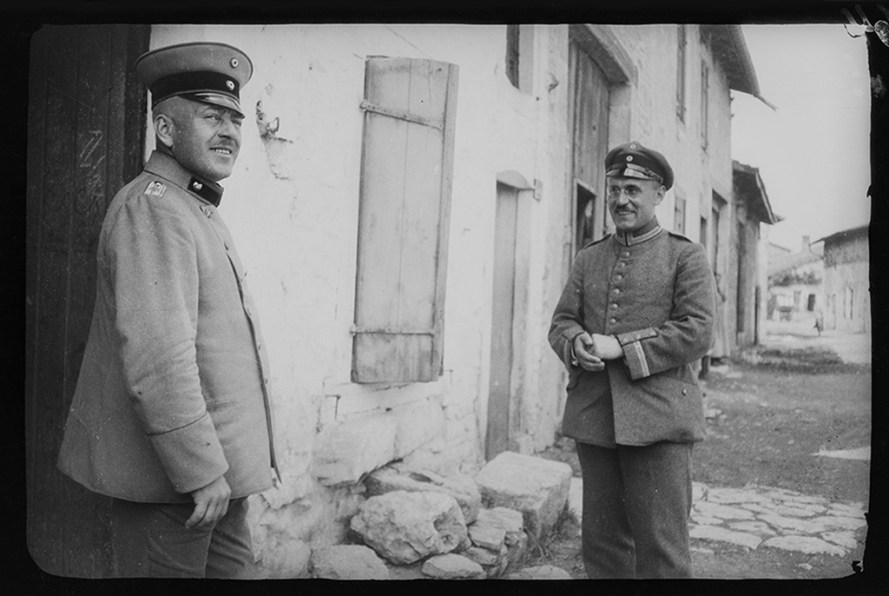
German officers on one of the city streets. Western Front, 1916. 
The German military is reading a book in the dugout on the front line. Western Front, 1916. 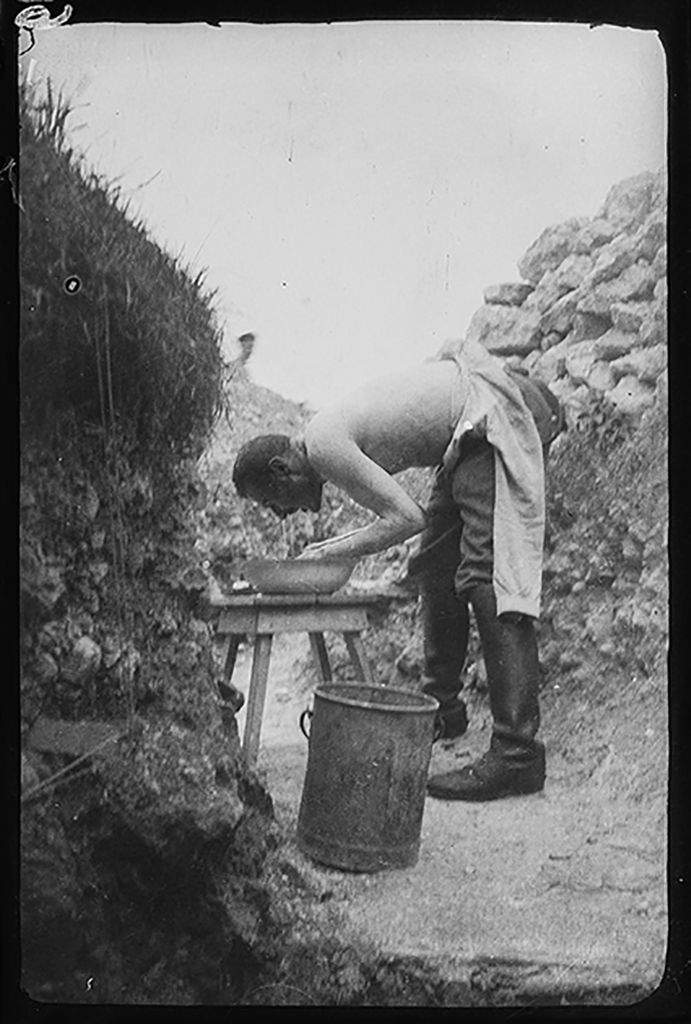
Morning washing of a German soldier in a trench on the front line. Western Front, 1916. 
German officers near the carriage. Western Front, 1916. 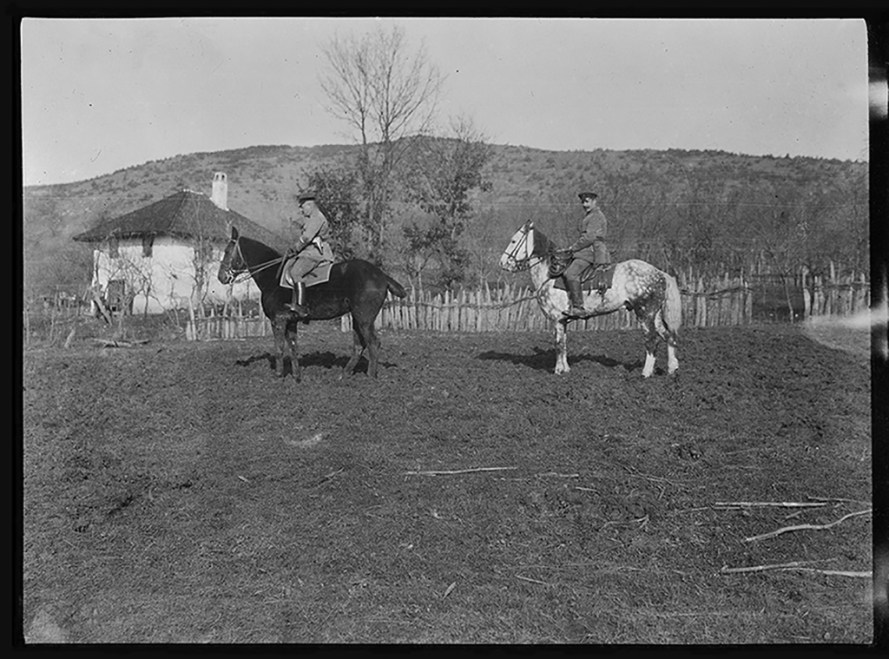
German officers on horses. Western Front, 1916. 
German soldier with horses on the city street. Western Front, 1916. 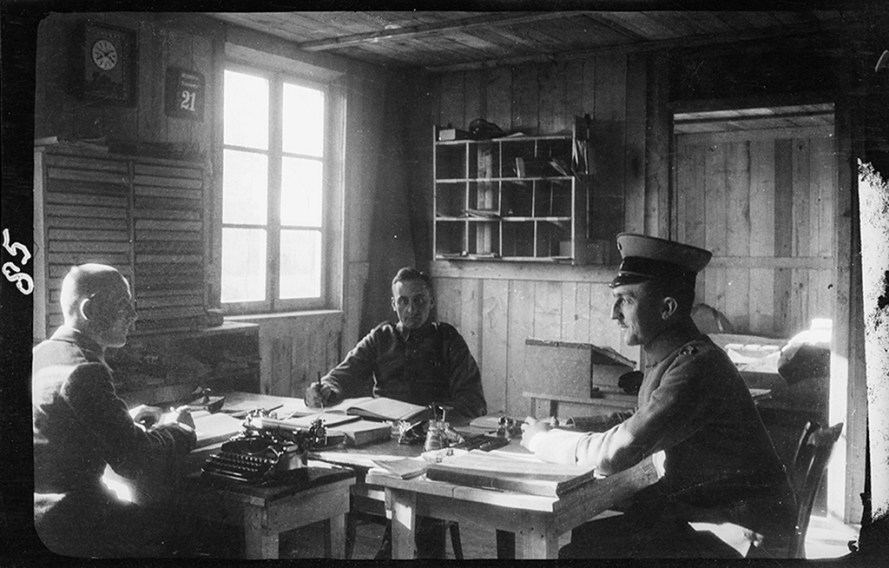
The German militaries at the headquarters. Western Front, July 21, 1916.
Photos: Gasmus / private collection of Arthur Bondar
Share this:

Categories: Uncategorized



 Michael Walsh Stories and Books
Reblogged this on MICHAEL WALSH QUALITY BOOKS.
LikeLike