




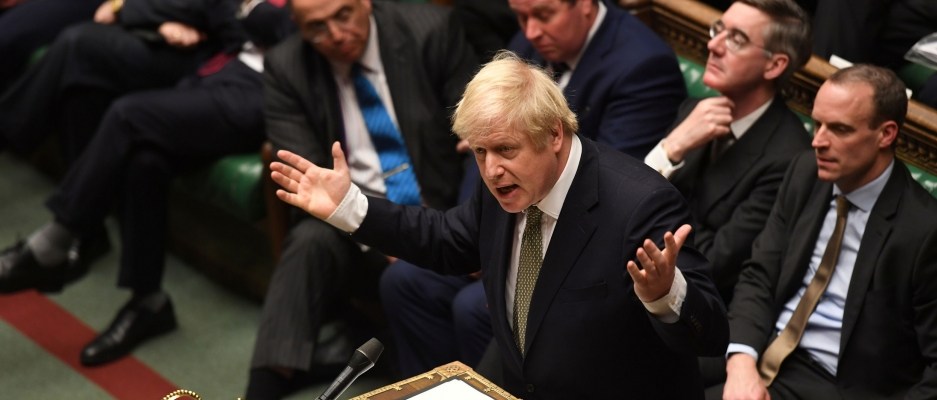

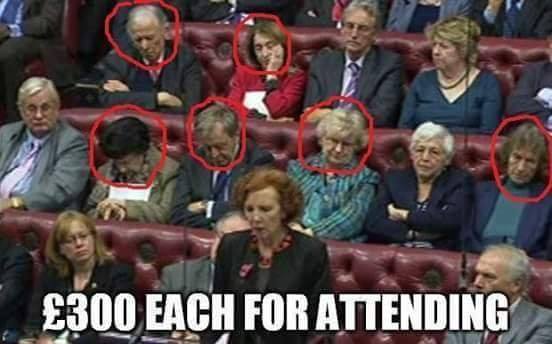
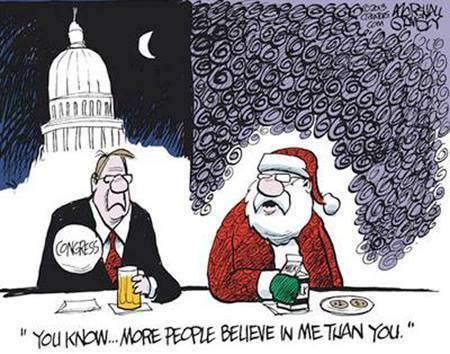
Well, not quite but such comment from the political elite suggests the hypocrisy of legislators or is an indication of how lacking in empathy they are.
The basic annual salary for MPs is £74,962, not including expenses, while the UK median pre-tax full-time salary is £27,600. MPs earn more than the bottom 90% of the country.
Less than 2% of UK adults are millionaires, while at one point two thirds of David Cameron’s cabinet were millionaires.

Only 0.7% of the country is millionaires whilst 78% of Members of Parliament are millionaires or multi-millionaires. Although £74k per year is a considerable sum, it falls far short of the income need to acquire millionaire status.
How do Members of Parliament become multi-millionaires in a very short space of time after their being elected? They invest in corporations and industries in which they or their family members have either a financial or management interest, such as a directorship.

Just 7% of children resident in Britain go to private school in the UK, but 48% of Conservative MPs, 17% of Labour MPs and 14% of Lib Dems MPs were privately educated. The average cost for a place at a private school in the UK is £16,119 a year.
St Paul’s (which George Osborne attended) and Westminster (attended by Nick Clegg) costs £23,481 and £28,200 respectively for day students. Compare this to how much most people earn in the UK and you can see how exclusionary this is.

David Cameron MP was the 19th out of 54 prime ministers to have attended Eton. Attendance at Eton currently costs £37,062 a year. Only nine (or 17% of) prime ministers have been educated at non-fee paying schools, and many of those were selective grammar schools.
Less than 1% of the population study at Oxford or Cambridge universities, compared to 75% of all the UK’s prime ministers and 26% of MPs. In 2014, an estimated 9% of MPs studied just one subject at one university, Philosophy, Politics and Economics (PPE) at Oxford. The chart below shows how education in social studies, law, history and philosophy dominated parliament in 2014, and how science and many other fields are absent or under-represented, which will affect which laws and policies are pursued. Source: SubtleEngine.org

Only 2% of the adult UK population are landlords, owners of properties that they let at a profit. In 2016, 39% of Tory MPs, 26% of Scottish National party MPs and 22% of Labour MPs were landlords.
Going back to 1979, no less than 10% of MPs from the three main parties have been barristers or solicitors (while 0.22% of the UK population are solicitors), and the percentage of MPs that had been publishers or journalists has never fallen below 6% yet less than 1% of the population are journalists.
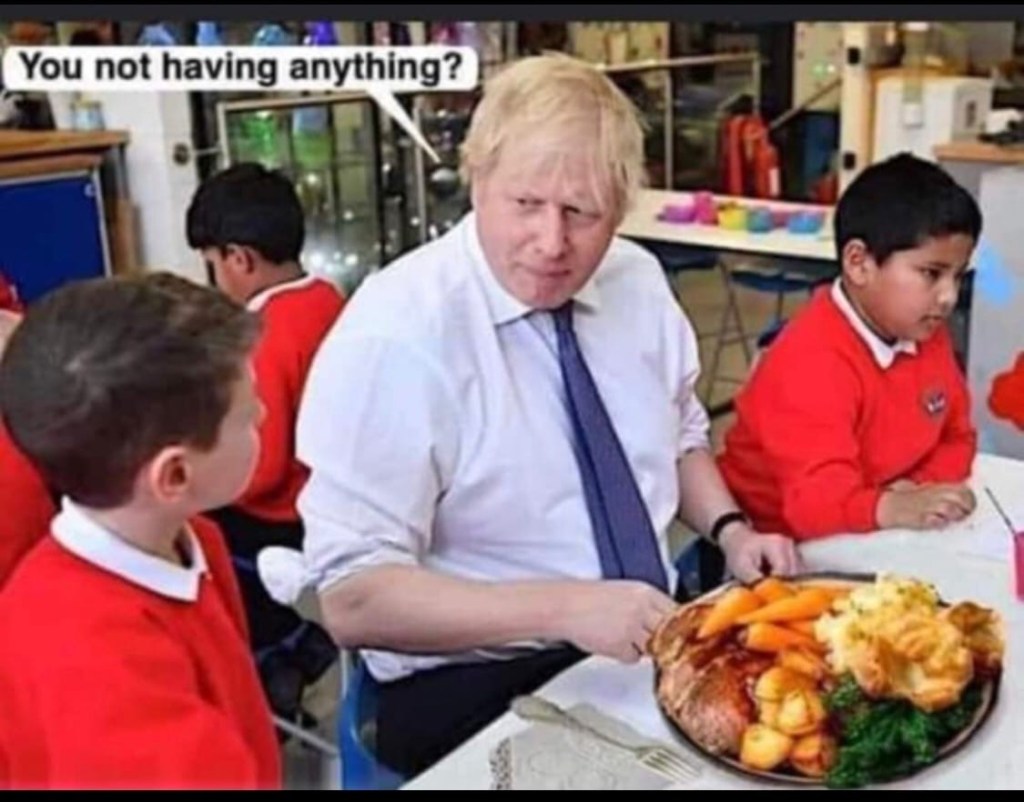
Over the same period, the percentage of MPs who were manual workers, such as miners, has decreased steadily from 15.8% 35 years ago to just 4% today.
In the 2015 election, the Conservatives received 36.9% of the votes, but won 50.9% of the seats, thanks to our first past the post voting system. The table below, from the Electoral Reform Society, shows just how unrepresentative MPs are of UK political opinion.

Almost 1 in 5 people (19%) in the UK have a disability, while less than 0.5% of MPs self-identify as being disabled. Do we really believe that one person can speak for an average 71,314 constituents?
These privileged self-styled arrogant plutocrats can’t understand, let alone truly represent, most people in the UK whose situations and choices are outside their own life experiences.

MPs backgrounds influence the kinds of policies they pursue, from housing to education. For example, it is unsurprising that the Conservatives voted down a law requiring homes to be fit for human habitation, when so many of them are landlords.
Similarly, given so many Conservative MPs attended private schools, it is difficult to imagine them removing the VAT exemption on private school fees to pay for free school meals for all primary school children, as the Labour Party have promised in their manifesto.















Share this:

Categories: Uncategorized



 Michael Walsh Stories and Books
You have made some really good points there. I checked on the web for more information about the issue and found most individuals will go along with your views on this web site.
LikeLike