




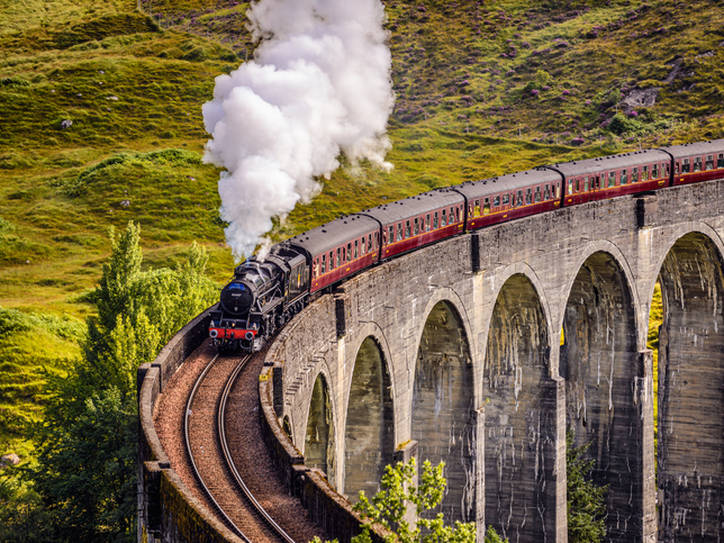
As a little light relief from atishoo virus an important announcement about your train travel arrangements. The American and other standard railroad gauges (distance between the rails) is 4 feet, 8.5 inches. Admittedly, this is a rather odd number.
Why was that gauge used?
Well, because that’s the way they built them in England and English engineers designed the first railroads that stretch across the United States.

Why did the English build them like that? Because the first rail lines in England were built by the same people who built the wagon tramways and that is the measurement gauge they used.

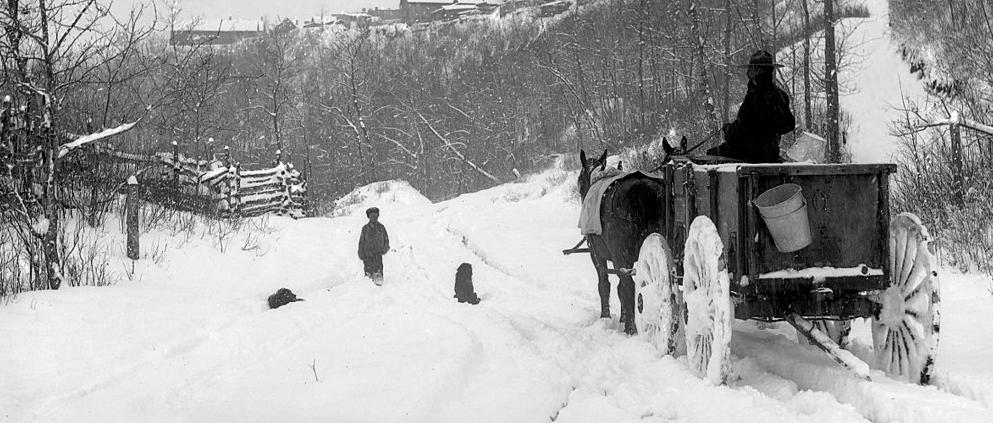
So, why did ‘they’ use that gauge then? Because the people who built the tramways used the same jigs and tools that they had used for building horse-drawn wagons, which used that same wheel spacing.

Why did the wagons have that particular odd wheel spacing? If they tried to use any other spacing, the wagon wheels would break more often on some of the old, long-distance roads in England. You see, that’s the spacing of the wheel ruts wagons leave in the soft tracks.
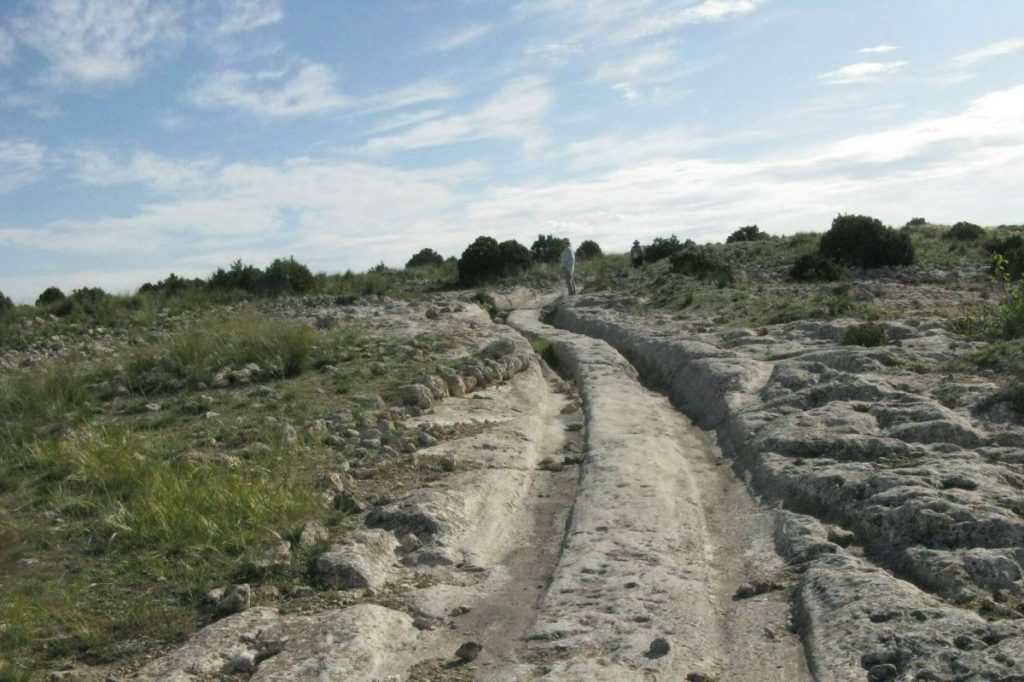
So who built those old rutted roads? Imperial Rome built the first long-distance roads in Europe (including England) for their legions. Those roads have been used ever since. Interestingly, most Roman roads were built on Celt made roads. But as the Celts made their roads out of wood their longevity was less.
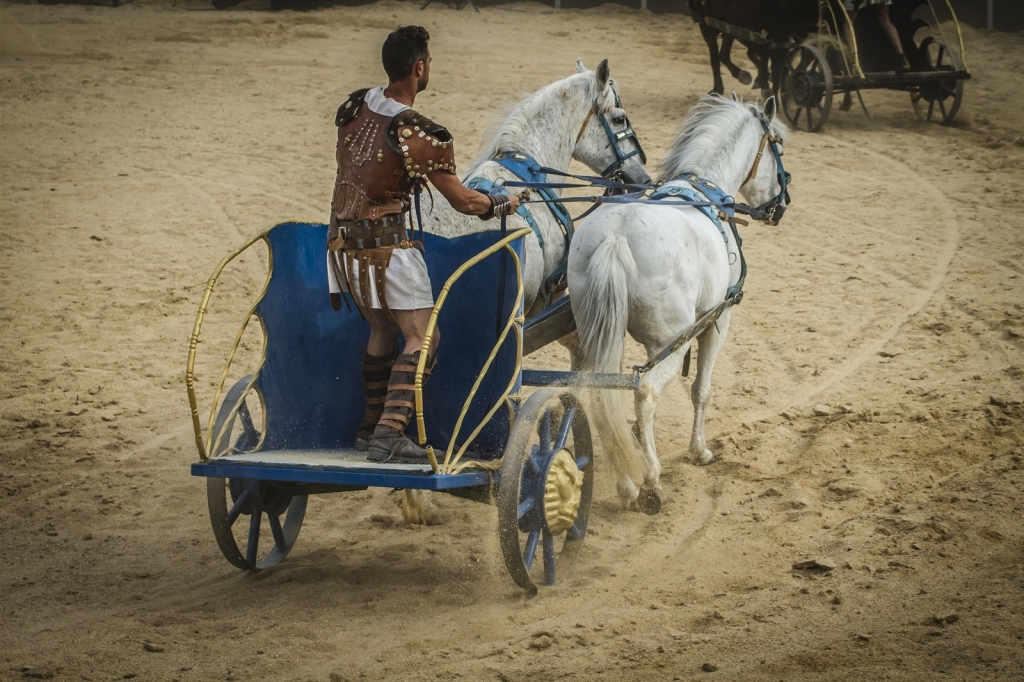
And what about the ruts in the roads? Roman war chariots formed the initial ruts, which everyone else had to match or run the risk of destroying their wagon wheels.
Since the chariots were made for Imperial Rome, they were all alike in the matter of wheel spacing. Therefore the United States standard railroad gauge of 4 feet, 8.5 inches originates from the original specifications for an Imperial Roman war chariot.
So the next time you are handed a specification/procedure/process and wonder ‘What horse’s ass came up with this’, you may be exactly right. Imperial Roman army chariots were made just wide enough to accommodate the rear ends of two war horses, which are two horses’ asses.
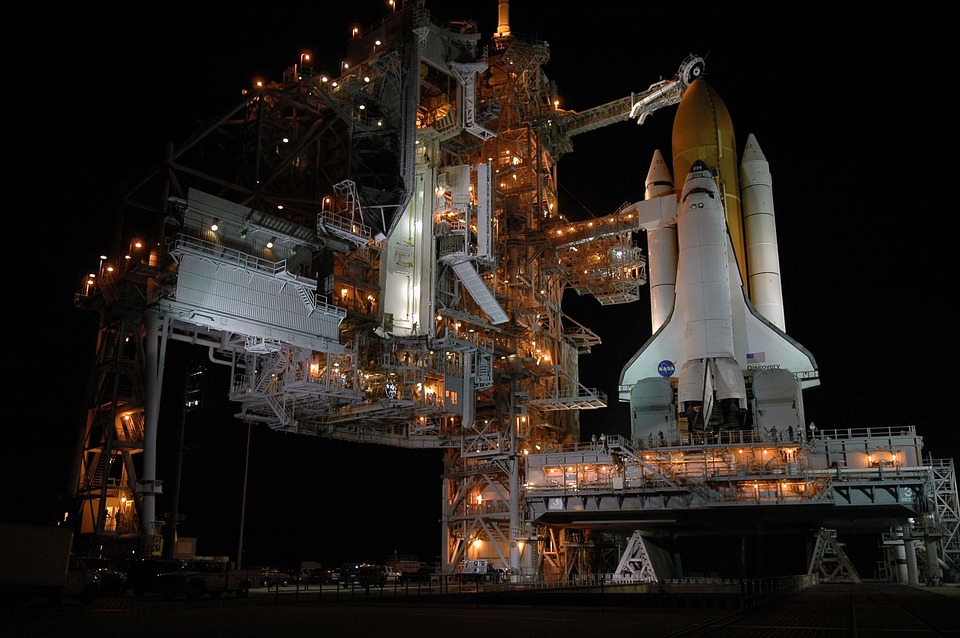
Now, the twist to the story: When you see a Space Shuttle sitting on its launch pad, there are two big booster rockets attached to the sides of the main fuel tank.

From Roman chariots to outer space: the Atlantis space shuttle takes off at Cape Canaveral, Florida. Photograph: Craig Rubadoux/AP
These are solid rocket boosters (SRB. These rocket boosters are made by Thiokol at their factory in Utah. The engineers who designed the boosters would have preferred to make them a bit fatter. Fail, the rocket boosters had to be shipped by train from the factory to the launch site.

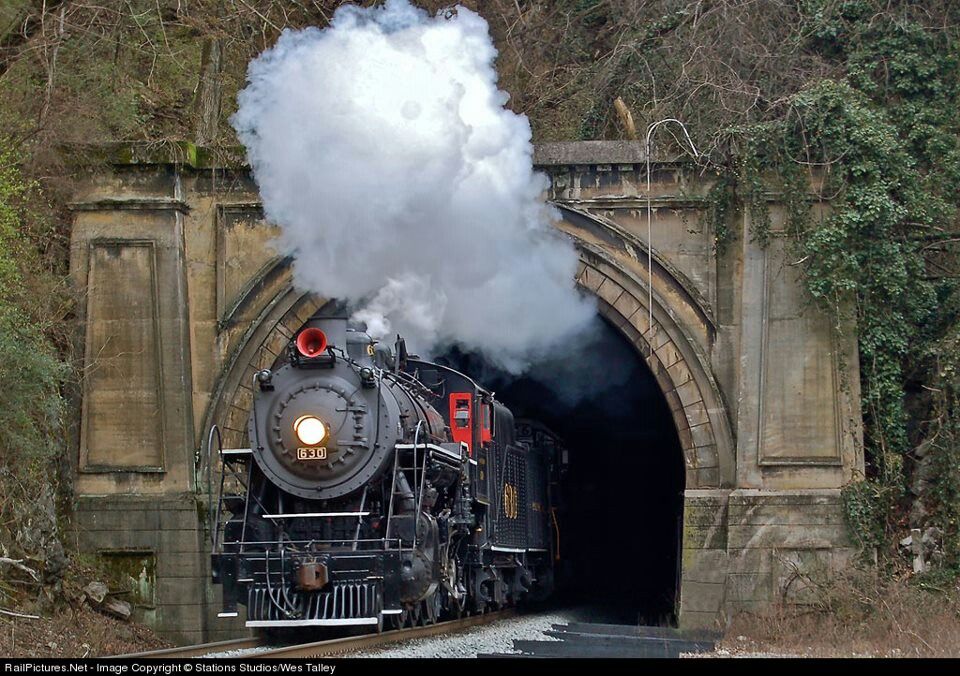
The railroad line from the factory happens to run through a tunnel in the mountains, and the rocket boosters had to fit through that tunnel. The tunnel is slightly wider than the railroad track, and the railroad track, as you now know, is about as wide as two horses’ behinds.
So, a major Space Shuttle design feature, of what is arguably the world’s most advanced transportation system, was determined over two thousand years ago by the width of a horse’s ass. And you thought being a horse’s ass wasn’t important? Ancient horse’s asses control almost everything and currently horses asses are controlling everything else.
Share this:

Categories: Amazing





 Michael Walsh Stories and Books