




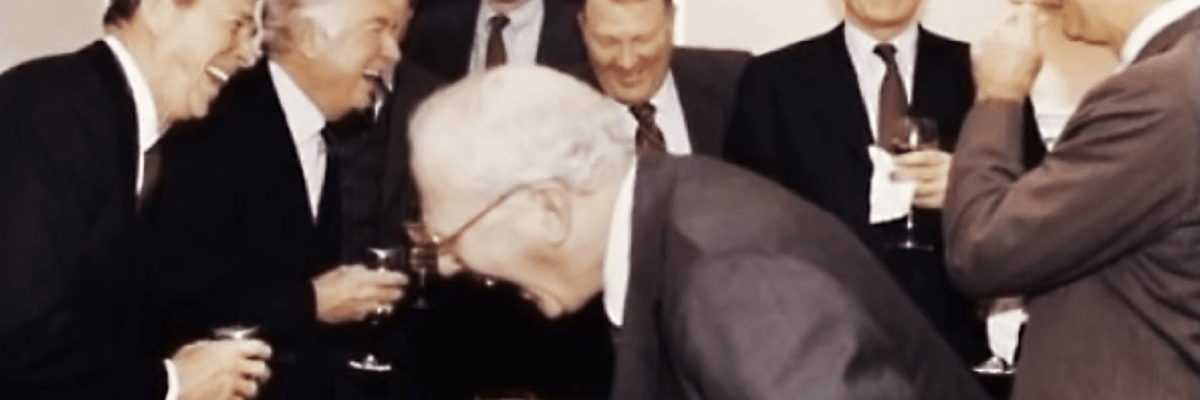
Today the emphasis is on the riches in parliamentarians bank accounts. Not so long ago the ruling class were notorious for the richness of their language. Newspapers owners who really did challenge could also hold their own in any bout of verbal jousting.
Lord Sandwich, the king’s flatterer didn’t mince his words when he addressed the editor of The North Briton. ‘Sir, you will either die on the gallows or of the pox.’ John Wilkes replied: ‘That depends, sir, on whether I embrace your politics or your mistress.’ This exchange has wrongly been attributed to Gladstone and Disraeli.
It was a time when the English language was an art-form; before being degraded by overuse of the ’f’ word; when people could communicate with panache.
Most will have smiled at the exchange between Winston Churchill and Lady Astor who had said to him: ‘If you were my husband I would give you poison.’ He replied, ‘If you were my wife I would take it.’
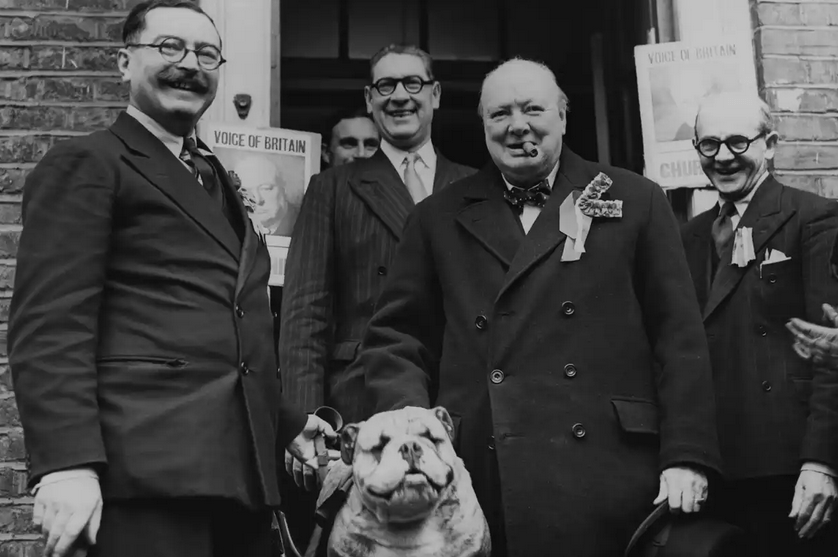
The heavy drinking Winston Churchill plagiarised many famous jibes. Among the best examples are, ‘he is a modest little person with much to be modest about.’
Most of the wartime leader’s jokes and jibes have been traced back to English music hall jokes. Most of the original comedians were keeping their audiences laughing before Churchill was born.

Insults before the Age of Oath and Blasphemy must include Clarence Darrow’s: ‘I have never killed a man, but I have read many obituaries with great pleasure.’
If you think red-top tabloid style is something new then reflect on William Faulkner’s summing up of Ernest Hemingway: ‘He has never been known to use a word that might send the reader to a dictionary.’ The war correspondent’s retort was abrasive: ‘Does he really think that big emotions come from big words?’

One hapless author received a memo from Moses Hadas. ‘Thank you for sending me a copy of your book. I’ll waste no time reading it.’
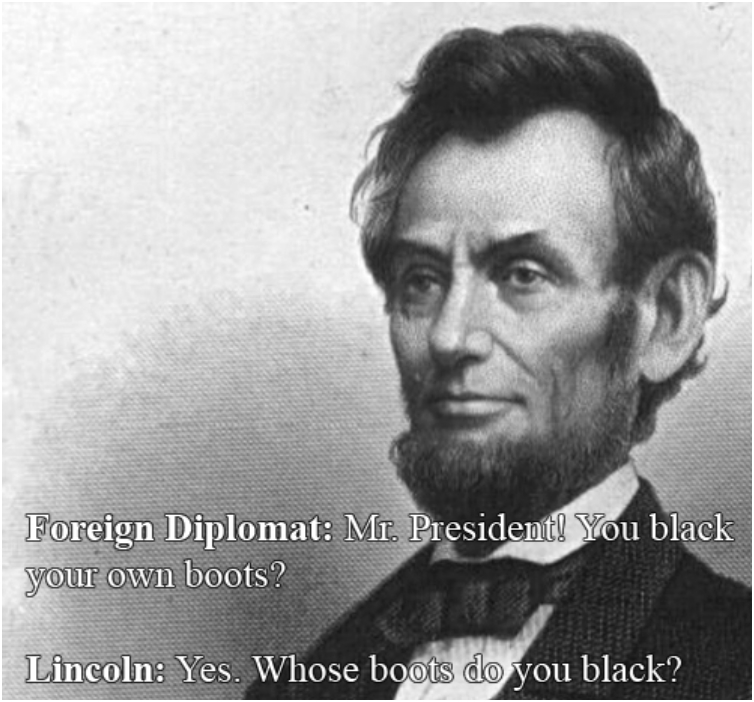
Then as now, people loved the sound of their own voices. ‘He can compress the most words into the smallest idea of any man I know,’ Abraham Lincoln murmured.
Perhaps the American president’s wittiest remark was: ‘It is better to keep one’s mouth shut and be thought a fool than to open it and remove all doubt.’
Mark Twain, renowned for his sharp wit once said; ‘I didn’t attend the funeral but I sent a nice letter saying I approved of it.’
The Irish playwright George Bernard Shaw detested Churchill. Well aware that the object of his ire was better known for his cohorts than his friends, he wrote: ‘I am enclosing two tickets to the first night of my new play. Bring a friend, if you have one.’ Winston replied, ‘Cannot possibly attend the first night, will attend second, if there is one.’

Those in a poor relationship may take heart from Stephen Bishop’s remark: ‘I feel so miserable without you. It is almost like having you here.’
Equally sardonic the opinion of Irvin S. Cobb: ‘I have just heard about his illness. Let us hope it is nothing trivial’. One of Oscar Wilde’s: ‘Some cause happiness wherever they go; others whenever they go.’
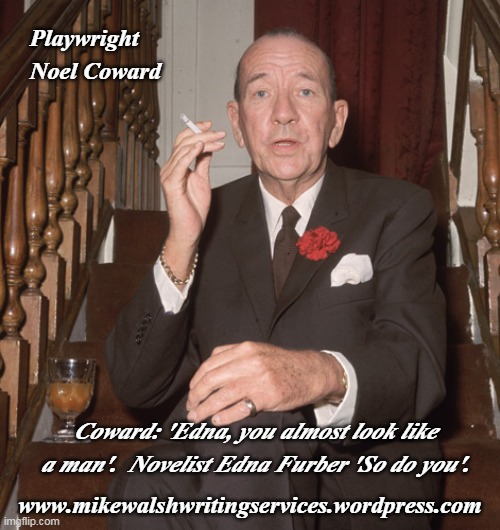
As Halloween approaches it is time to pause for reflection: ‘There’s nothing wrong with you that reincarnation won’t cure.’ ~ Jack E. Leonard.
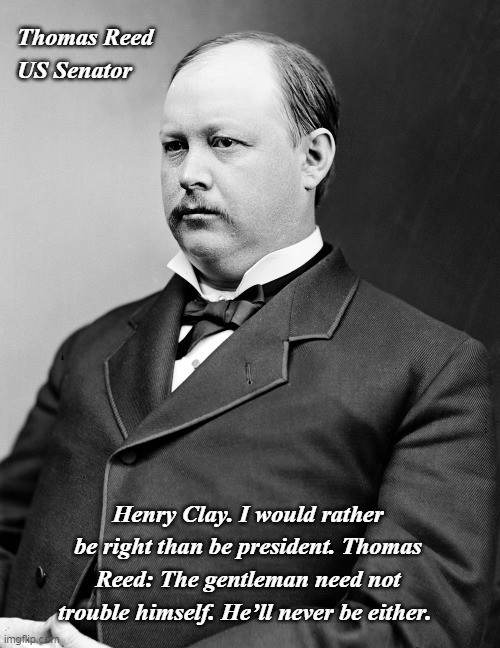
Thomas Brackett Reed might easily have been talking of today’s celebrities when he said, ‘They never open their mouths without subtracting from the sum of human knowledge.’ As for enthusiasts of pop music Billy Wilder spoke for many: ‘He has van Gogh’s ear for music.’ ~ Michael Walsh.

Share this:

Categories: Amazing



 Michael Walsh Stories and Books