




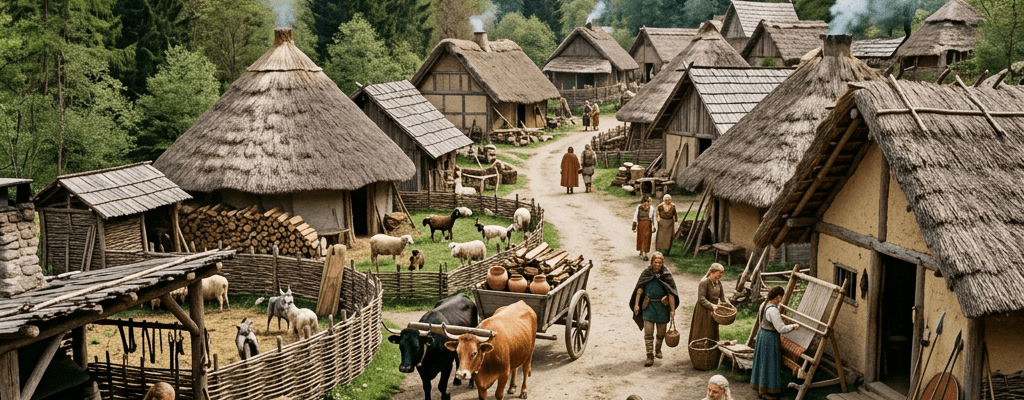


The Aryan Race, with which all Europeans feel an empathy, was largely created by the fusion of Germanic, Slavic, and Celtic peoples.
The Celtic diaspora, the spread of Celtic peoples, languages, and culture, extended across a very wide portion of Europe over many centuries.
Iran and onwards to India
The Celtic diaspora spread out across Russia, to Iran (Aryan) and even to India. In Celtic-occupied India, an apartheid culture blossomed. The Celts were at the apex of the continent’s racial pyramid.
Race mixing was disallowed, but gradually the barriers broke down. They still exist in the form of the thriving caste system: the lighter the skin, the higher the social status.
Based on historical and archaeological sources, the Celtic dispersion reached regions from the core Hallstatt zone outward into Western, Central, Southern, and even parts of Eastern Europe.
Core and Expansion Regions of the Celtic Diaspora

Below is a structured overview of the regions where Celtic peoples settled or exerted cultural influence, grounded in the available sources.
Central European Core (Hallstatt & La Tène cultures). These were the earliest and densest Celtic cultural zones. Austria (including the Hallstatt region).
Southern Germany, Switzerland, Eastern France, Bohemia (Czech Republic). These areas formed the cultural and linguistic heartland from which Celtic groups expanded.
Western Europe
Celtic migrations and cultural influence spread widely across the West. France (Gaul), Belgium, Luxembourg, Northern Italy (Cisalpine Gaul).
The Iberian Peninsula of Spain and Portugal, notably Lusitania, though Celtic presence there is debated.
The British Isles
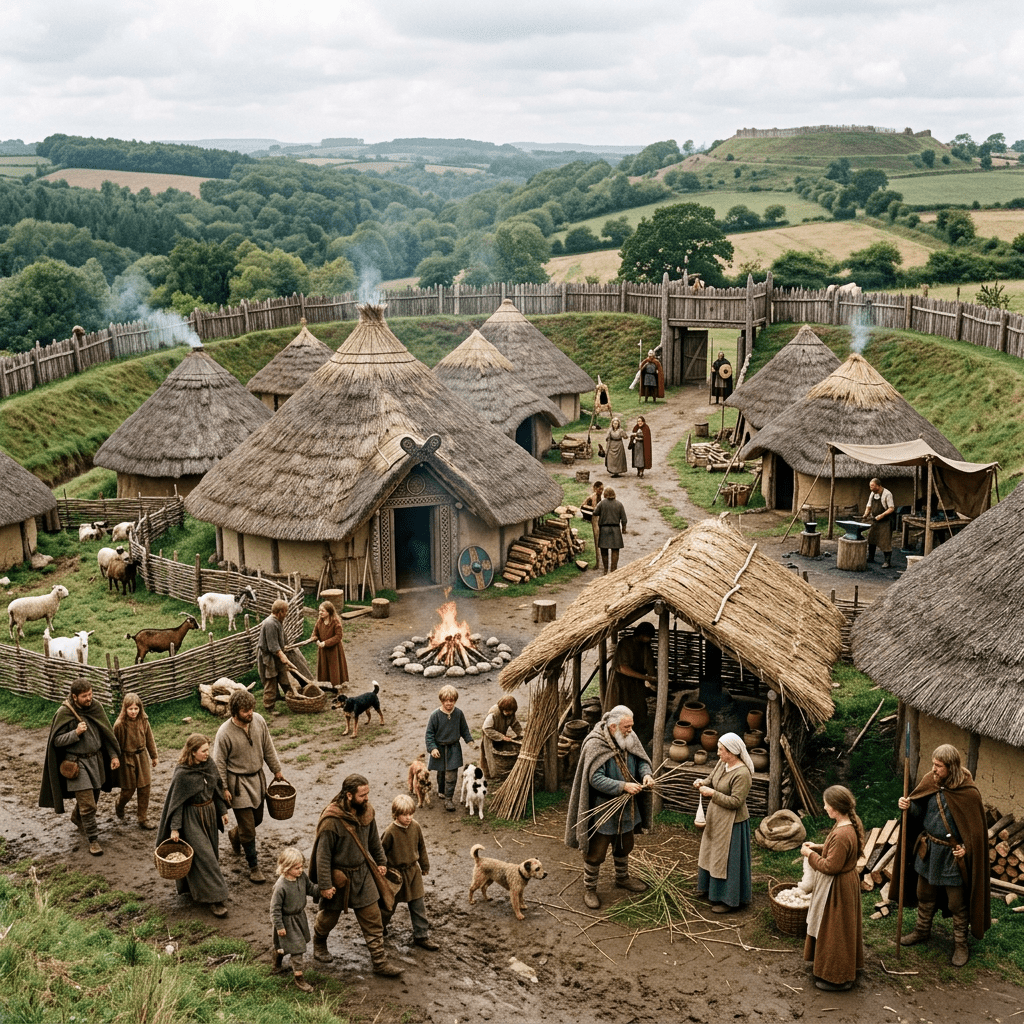
The meaning of the term Great Britain denotes the island being the greater part of Britanny. These regions became some of the most enduring Celtic homelands.
Ireland or Eire (Land of the Aryans), Scotland, Wales, Cornwall, Isle of Man, Brittany (in France, but culturally linked to the Insular Celts. These areas still maintain Celtic languages today.
Anatolia (Asia Minor). One of the most dramatic Celtic migrations led to: Galatia (in modern Turkey), settled by Celtic tribes in the 3rd century BCE.
Post-Classical and Medieval Celtic Regions
Maps of later periods show Celtic-speaking populations persisting in: Ireland, Scotland, Wales, Cornwall, Brittany, Isle of Man, Galicia (in northwest Spain, often considered culturally Celtic).
The Arc of the Celtic Diaspora
From Central Europe, Celtic peoples expanded into Western Europe (France, Belgium, Iberia), the British Isles, and Northern Italy and the Balkans
Anatolia (Galatia)

And Celtic languages survived longest in the northwestern fringe of Europe: Ireland, Scotland, Wales, Cornwall, Brittany, and the Isle of Man. Styria (in modern Austria) was an important early Celtic region, but it was not the genesis of the Celtic Diaspora.
The roots of Adolf Hitler
The Celtic expansion began earlier and farther west/central in the broader Hallstatt cultural zone, which included parts of Austria but was not limited to Styria. Styria was one node within a much larger cultural landscape, not the point of origin.
What the evidence shows
Styria had an early Celtic presence, but as part of the wider Hallstatt world.
Archaeological research confirms that Styria saw significant Celtic settlement during the Late Hallstatt to La Tène transition, with important cemeteries and sites at Kleinklein and Lang.
These findings reflect the arrival and development of Celtic populations in the region, not their initial emergence.
The Celtic expansion was much broader and earlier
The Celts were a collection of Indo‑European peoples whose cultural and linguistic identity formed across a wide region of Central Europe, especially in the Hallstatt core zone (c. 800–450 BCE).
This zone included parts of Austria, southern Germany, Switzerland, eastern France, and Bohemia. Styria was only one part of this larger cultural sphere.
Styria was inhabited by Celtic tribes, but not uniquely so
Before Roman rule, Styria was home to Celtic groups such as the Ambidravi and Ambisontes.
These were just two among many Celtic tribes spread across Central and Western Europe. Their presence shows Celtic expansion into the region, not the origin of that expansion.
So where did the Celtic Diaspora begin?
The ‘Celtic Diaspora’ refers to the spread of Celtic peoples and culture across Europe during the Iron Age (1,200 – 500 BC). Most scholars locate its origins in the Hallstatt culture heartland, centered in:
Upper Austria, Bavaria, Bohemia, Eastern France, Switzerland. This region predates and encompasses Styria, but Styria was not the epicenter. Let readers know what you think.

THANK YOU FOR SHARING WITH FRIENDS AND SOCIAL MEDIA.
Share this:

Categories: Ethnic traditions, Uncategorized



 Michael Walsh Stories and Books
Alas,I had forgotten “Eire” means “Land of the Aryans”. No wonder the most common family clan name in Tipperary is Ryan. Its so common, Ryans have to be divided up into sub-clans to clarify whichever Tom, Dick or Harry Ryan is referenced. I do not approve of people using my family name as a first name because it causes confusion.
LikeLiked by 1 person
Some Scots from patriarch side which is an honor to me.
Keep an eye on those Scots as they only bend a knee for the King of kings.
LikeLiked by 1 person